
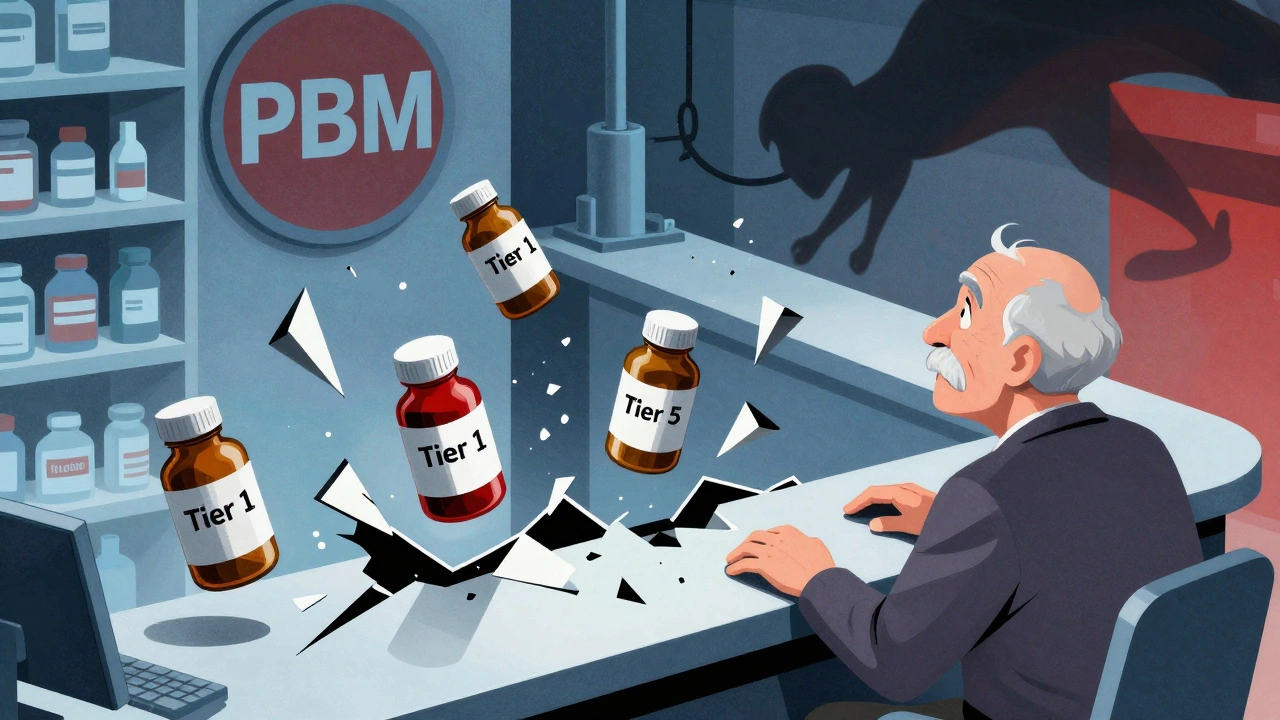
When your insurance plan changes the list of covered medications, it’s not just a paperwork update-it can mean paying hundreds more for your daily pills, waiting weeks for an exception, or even going without treatment. In 2023, over 12.7% of Medicare beneficiaries experienced a formulary change that affected their medication, and nearly one in three didn’t know until it was too late. This isn’t rare. It’s the new normal.
What Is a Formulary, Really?
A formulary is your insurance plan’s official list of covered drugs. It’s not random. Every drug on it has been reviewed by a team of doctors and pharmacists who decide what’s safe, effective, and affordable. The goal? Keep your costs down while still giving you the medicine you need. Most plans use a tier system. Think of it like a pricing ladder:- Tier 1: Generic drugs - usually $0 to $10 per prescription
- Tier 2: Preferred brand-name drugs - $25 to $50
- Tier 3: Non-preferred brands - $50 to $100
- Tier 4/5: Specialty drugs - $100+, sometimes 30% of the total cost
Why Do Formularies Change?
Formularies aren’t set in stone. They’re updated every year, usually on January 1. But changes can happen mid-year too - about 23% of plans make them. Why?- A cheaper generic becomes available
- A drug gets recalled or has new safety warnings
- The drug manufacturer raises the price too much
- The insurance company negotiates a better deal with another drug
How to Find Your Current Formulary
This is where most people get stuck. Sixty-eight percent of Medicare beneficiaries say they can’t find their plan’s formulary on the website. Here’s how to do it right:- Find your exact plan name - it’s on your insurance card. Don’t guess.
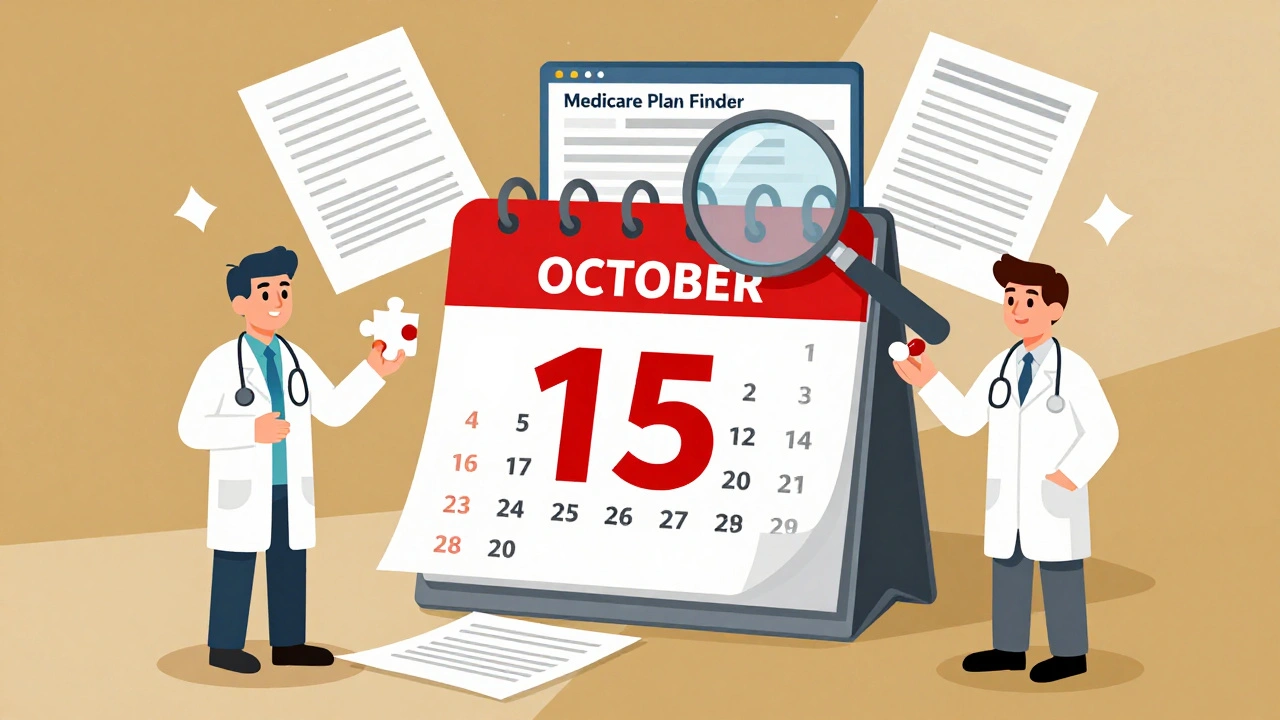
- Go to your insurer’s website during Open Enrollment (October 15 to December 7 for Medicare).
- Look for "Drug List," "Formulary," or "Prescription Coverage." It’s often buried under "Plan Materials."
- Search for your medication by name. Check the tier and any restrictions (like prior authorization).
What Happens When Your Drug Gets Removed?
If your medication is taken off the formulary, you’re not out of options. You can file an exception request. Here’s how to make it work:- Your doctor must submit a formal request - not you.
- The strongest reasons: you tried other drugs and they didn’t work, or you had a bad reaction.
- Approval rates vary: 92% for cancer drugs, 65% for skin meds.
- Most requests are approved within 72 hours if your doctor supports them.
How to Avoid Being Caught Off Guard
You can’t stop formulary changes. But you can stop being surprised by them.- Check your formulary every October. Don’t wait until your refill runs out.
- Set calendar reminders. Mark your prescription renewal dates and match them to your plan’s renewal date.
- Ask your pharmacist. They see formulary changes daily. They’ll know if your drug is at risk.
- Know your alternatives. If your drug is on Tier 3, ask your doctor: "Is there a Tier 2 version that works just as well?"
- Use the Medicare Plan Finder tool. It shows formulary changes year-over-year. Compare plans before you enroll.
Who Controls These Lists?
It’s not your doctor. Not your insurer. It’s mostly the Pharmacy Benefit Managers (PBMs) - CVS Caremark, Express Scripts, OptumRx. They manage formularies for 87% of commercial plans. Their job? Cut costs. Sometimes that means pushing out expensive drugs, even if they’re the only option. That’s why some patients face delays. PBMs don’t have to tell you in advance. They just update the website. And if you’re not checking, you won’t know until you’re at the pharmacy counter. The Federal Trade Commission sued PBMs in 2023 for anti-competitive behavior - like charging higher fees for drugs they don’t want to cover. That’s why some drugs stay off formularies not because they’re worse, but because the PBM got paid to exclude them.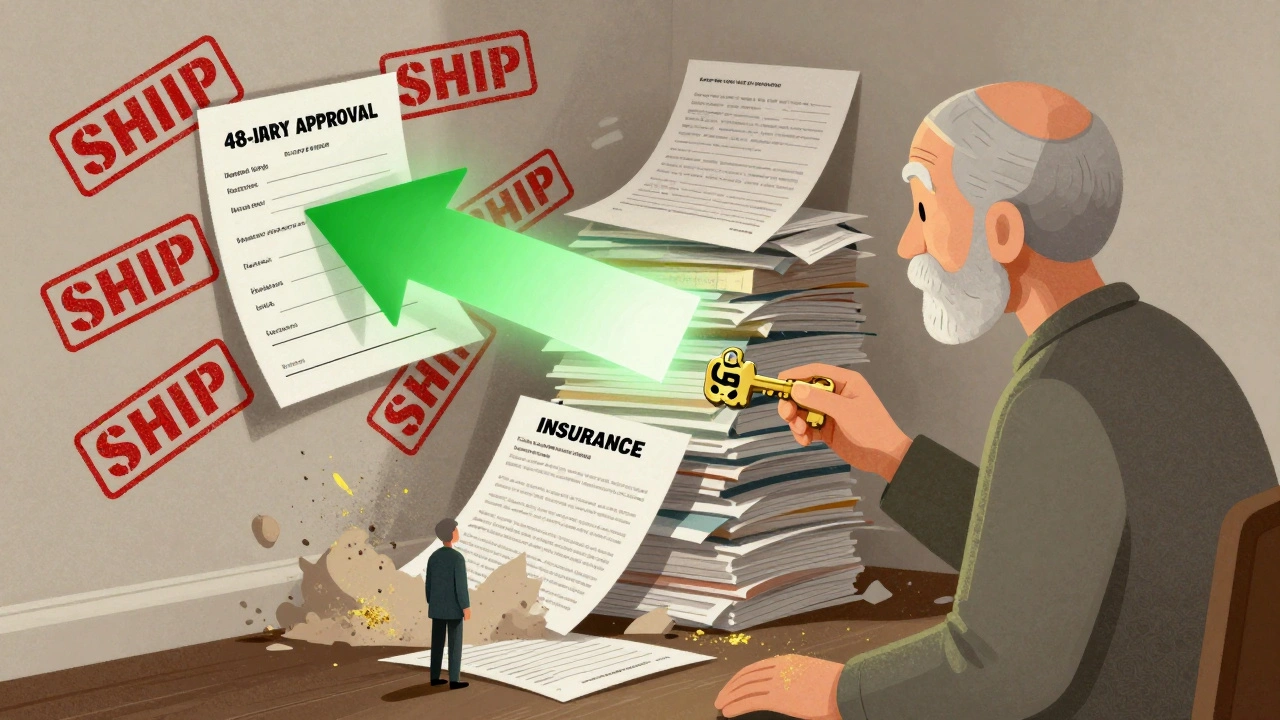
What’s Changing in 2025?
Big changes are coming:- Starting January 1, 2025, Medicare Part D will cap out-of-pocket drug costs at $2,000 per year. That means fewer restrictions on expensive meds.
- More plans will use AI to decide which drugs to include - based on real-world data, not just clinical trials.
- Specialty tiers will grow. By 2026, over half of all specialty drugs will be in the highest cost tier.
- Medicare will start negotiating prices for 10 high-cost drugs in 2026 - that could push more of them onto lower tiers.
When to Get Help
If you’ve been denied an exception, can’t find your drug, or your health is suffering because of a formulary change - reach out. You’re not alone.- Medicare Rights Center: Free counseling. They help with exceptions and appeals.
- State Health Insurance Assistance Program (SHIP): Free local advisors. Find yours at shiptacenter.org.
- Pharmacist: Ask if there’s a therapeutic alternative you haven’t tried.
- Advocacy groups: National Patient Advocate Foundation and National Council on Aging offer free support.
Bottom Line: Stay in Control
Formularies aren’t the enemy. They’re tools - designed to save money, but sometimes they hurt people. The difference between getting your medicine and losing it comes down to one thing: awareness. Don’t wait for a surprise bill. Don’t assume your drug is still covered. Check your formulary every fall. Talk to your pharmacist. Know your alternatives. File exceptions fast. And never be afraid to push back. Your health isn’t a cost center. It’s your life. Make sure your insurance treats it that way.What should I do if my medication is removed from my insurance formulary?
First, contact your doctor immediately. They can file an exception request with your insurance, explaining why you need the specific drug - especially if you’ve tried alternatives and they didn’t work or caused side effects. Most requests are approved within 72 hours if properly documented. In the meantime, ask your pharmacist if there’s a therapeutically similar drug on your plan’s formulary that could be used temporarily.
How often do insurance formularies change?
Most formularies are updated annually, usually on January 1. But about 23% of plans make changes mid-year, often due to new FDA safety alerts, drug recalls, or pricing changes from manufacturers. Medicare Part D plans must give 60 days’ notice for removals tied to FDA actions, while commercial plans only need 30 days. Always check your formulary during Open Enrollment (October 15-December 7 for Medicare).
Can I switch insurance plans to avoid formulary changes?
Yes - but timing matters. Medicare beneficiaries can switch plans during the Annual Enrollment Period (October 15 to December 7). Commercial plan members can change during open enrollment or after a qualifying life event (like moving or losing coverage). Before switching, compare formularies for all plans you’re considering. Use tools like Medicare’s Plan Finder or your insurer’s website to check if your current medications are covered and at what cost.
Why are some drugs on higher tiers even if they’re not more expensive?
Tiers are based on negotiated deals between insurers and drug manufacturers, not just price. A drug might be on a higher tier because the manufacturer didn’t offer a discount to the pharmacy benefit manager (PBM), or because the PBM favors a competing drug. Sometimes, older generics are placed on Tier 1 even if newer ones are cheaper - because the PBM has a contract with the older brand. It’s not always about clinical value - it’s about business agreements.
Are there any medications that insurance plans must cover?
Yes - Medicare Part D plans must cover all drugs in six protected classes: antidepressants, antipsychotics, anticonvulsants, immunosuppressants, antiretrovirals (HIV/AIDS), and anticancer drugs. Commercial plans have no such requirement. Some states have additional rules, but federal law only mandates these protections for Medicare. Always check your plan’s formulary, even for protected drugs, because they may still require prior authorization or step therapy.


14 Comments
Bro this is wild. My insulin went from $5 to free last year, but my asthma med got bumped to $400. They capped one thing so they could jack up everything else. Classic.
Y’all are stressing over formularies like it’s a Netflix subscription. Just call your pharmacist. They know everything. I asked mine about my blood pressure pill last month-she said ‘switch to this generic, same effect, $12.’ Done. Life’s easier when you talk to humans, not websites.
How is this even legal? People are skipping doses because some corporate suit in Ohio decided to ‘optimize costs’? You’re telling me a 72-year-old cancer patient waited 21 days because some PBM didn’t feel like sending a notice? This isn’t healthcare. It’s a rigged game.
I used to think insurance was broken. Then I talked to my grandma’s SHIP counselor. She walked me through every tier, every exception, every alternative. Turned out my dad’s diabetes med was covered under a different name. We saved $3,200. It’s not hopeless-it’s just hidden. You gotta dig. And you’re not alone if you ask.
Just checked my formulary today-my antidepressant moved from tier 2 to tier 3. Called my doc, they filed the exception, approved in 40 hours. I’m not mad, just… aware now. Thanks for the reminder, OP. This stuff matters.
PBMs are the real villains 😤💸 I used to think Big Pharma was the bad guy. Nope. It’s the middlemen who get paid to hide the drugs you need. 🤦♂️
formularies? lol. you mean the list of drugs your insurance wants you to take so they can make more money? yeah sure. i got my 300 buck pill pulled and they said ‘try this one’-it’s literally sugar pills with a different name. dont trust any of this
For anyone confused about tiers: it’s not about drug effectiveness-it’s about negotiated rebates. A $200 drug on Tier 4 might be cheaper for the insurer than a $75 drug on Tier 2 because the manufacturer gave them a 60% rebate. Your doctor doesn’t know this. Your pharmacist does. Always ask: ‘Is there a clinically equivalent drug with a better rebate?’ That’s the real hack.
I lost my mom because her cancer drug got pulled mid-treatment. No warning. No grace period. Just ‘sorry, not covered.’ We fought for 8 weeks. She didn’t make it. If you’re reading this and you’re healthy-check your formulary. Now. Don’t wait until it’s too late. This isn’t theoretical. It’s life or death.
so the government caps insulin at 35 bucks but lets PBMs charge 800 for chemo? brilliant. they’re not fixing the system-they’re just picking the low-hanging fruit so they can look good. meanwhile, the rest of us are just… collateral damage. 🤷♂️
you think this is bad? wait till 2025 when AI picks your meds. imagine an algorithm deciding you don’t ‘need’ your anxiety med because ‘data shows 73% of people get better with yoga.’ yeah right. i’m gonna need that pill or i’m gonna need a therapist. and guess what? insurance won’t cover that either.
If you’re on Medicare, use the Plan Finder tool every October. Filter by your exact medications. Sort by total out-of-pocket cost-not monthly premium. I saved $4,700 last year by switching from a $50/month plan with terrible coverage to a $110/month plan that covered everything I needed. The math isn’t obvious, but it’s worth the two hours.
Why do Americans keep letting this happen? In Canada, they negotiate drug prices nationally. Here? We’re fighting over $450 pills like it’s a garage sale. This isn’t freedom-it’s exploitation dressed up as choice. And we’re the ones who voted for it.
Thank you for highlighting the role of PBMs. Most people blame insurers, but the real power lies with CVS Caremark and OptumRx-they control 87% of formularies. They don’t have to disclose their rebate structures. That’s why a drug can be clinically superior but still be excluded. Transparency is the missing piece. Until Congress forces PBMs to report their pricing deals, patients will keep losing. This isn’t just policy-it’s a systemic failure of accountability.