Beers Criteria: What It Is and Why It Matters for Older Adults
When you’re over 65, your body handles medicine differently. That’s where the Beers Criteria, a list of potentially inappropriate medications for older adults, updated regularly by the American Geriatrics Society comes in. It’s not a rulebook for doctors—it’s a safety net. Every year, thousands of seniors end up in the hospital because of side effects from drugs that just shouldn’t be used in their age group. The Beers Criteria tells you which ones to avoid: sedatives that cause falls, anticholinergics that fog your brain, NSAIDs that wreck your kidneys, and others that seem harmless but are dangerous when your body slows down.
It’s not just about single drugs. The real danger is polypharmacy, when older adults take five or more medications at once, often prescribed by different doctors. One pill for sleep, another for pain, a third for acid reflux, and maybe a blood pressure med on top. It sounds logical, but these drugs can clash. They can make you dizzy, confused, or even cause internal bleeding. The Beers Criteria helps cut through the noise. It flags drugs like diphenhydramine (Benadryl), long-acting benzodiazepines, and certain antipsychotics that have no place in routine care for seniors. These aren’t banned—they’re just not worth the risk when safer options exist.
Doctors don’t always know the latest list. Patients rarely ask. But if you or someone you love is on multiple meds, it’s worth checking. The Beers Criteria is used in hospitals, nursing homes, and clinics across the U.S. because it works. Studies show that when providers follow it, hospital visits drop by up to 20%. It’s not about taking away treatment—it’s about replacing risky choices with ones that actually help. You’ll find posts here that dig into specific drugs flagged by the criteria, like how certain antihistamines worsen dementia, why some muscle relaxants are a bad idea after 70, and what to ask your pharmacist when a new script arrives. These aren’t theoretical concerns. They’re real, daily risks for millions. The Beers Criteria gives you the power to ask the right questions—and maybe avoid a trip to the ER.
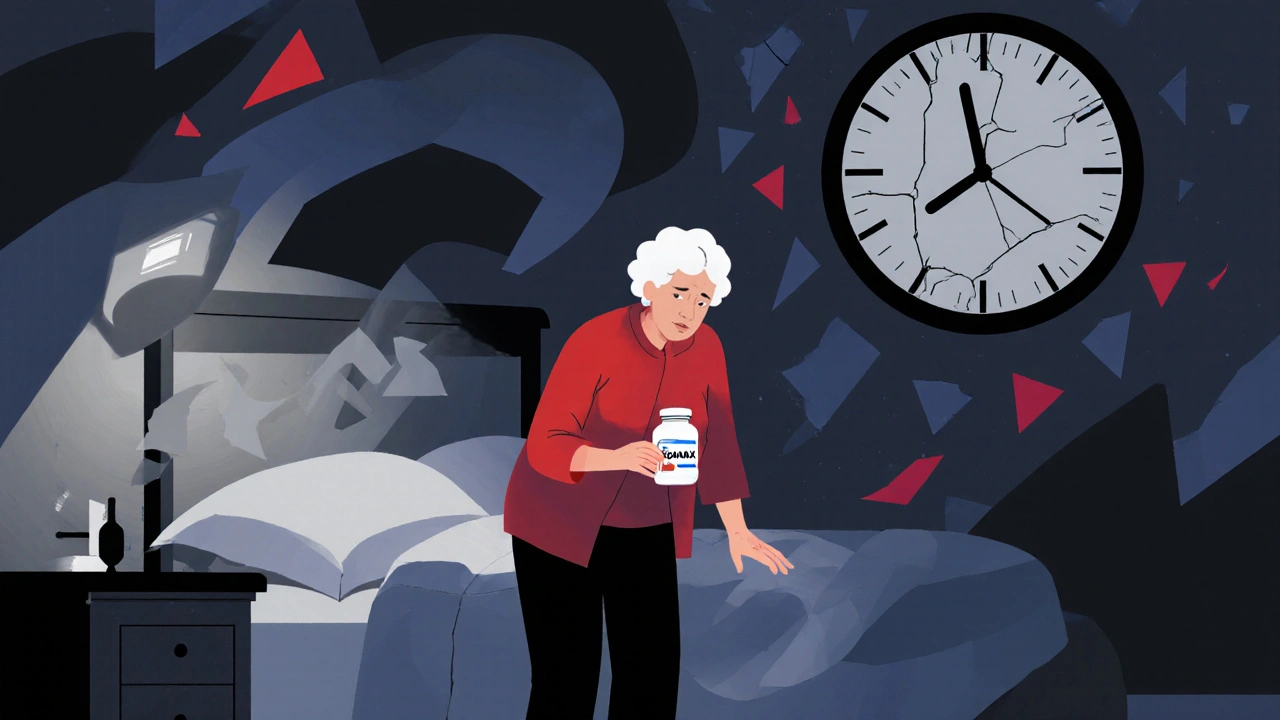
Benzodiazepines in the Elderly: Risks and Safer Alternatives
Benzodiazepines pose serious risks for seniors, including falls, memory loss, and dementia. Safer alternatives like CBT-I and SSRIs are more effective long-term. Learn why experts recommend stopping these drugs and how to do it safely.
read more