Benzodiazepines in Elderly: Risks, Alternatives, and Safe Use
When older adults struggle with anxiety, insomnia, or muscle spasms, doctors sometimes reach for benzodiazepines, a class of central nervous system depressants used to calm the brain and body. Also known as benzos, these drugs include diazepam, lorazepam, and alprazolam—commonly prescribed but often dangerous for seniors. The problem isn’t the drug itself, but how the aging body handles it. As people get older, their liver and kidneys slow down, meaning these drugs stay in the system longer. That increases dizziness, confusion, and the chance of a serious fall. One study found that seniors on benzodiazepines had a 60% higher risk of hip fracture compared to those not taking them.
This isn’t just about falls. Long-term use can blur memory, mimic dementia, and make depression worse. Many older adults take these meds for years without realizing how much they’re affecting their mind and balance. And when combined with other common prescriptions—like opioids, sleep aids, or even some heart medications—the risk spikes. drug interactions elderly, a growing concern in geriatric care are often overlooked because doctors focus on treating one condition at a time, not the whole picture. Even something as simple as an antacid can interfere with how benzodiazepines are absorbed.
The good news? There are better ways. For anxiety, low-dose SSRIs like sertraline or citalopram often work just as well without the drowsiness or fall risk. For sleep, cognitive behavioral therapy for insomnia (CBT-I) is proven to be more effective long-term than sleeping pills. And for muscle spasms, physical therapy or non-addictive muscle relaxants like baclofen are safer bets. elderly anxiety treatment, should focus on sustainable, non-pharmacological options first. Many seniors feel better after tapering off benzodiazepines—clearer thinking, steadier walking, better sleep.
Switching isn’t easy. Stopping suddenly can cause seizures or rebound anxiety. But with a slow, doctor-supervised plan, most people can reduce or eliminate these drugs safely. The key is asking the right questions: Why was this prescribed? Is it still needed? Are there safer options? If you or a loved one is on a benzodiazepine, don’t wait for a crisis to act. Talk to your doctor now. Below, you’ll find real-world guides on how to manage these risks, spot dangerous interactions, and find alternatives that actually work for older adults—without the side effects that steal their independence.
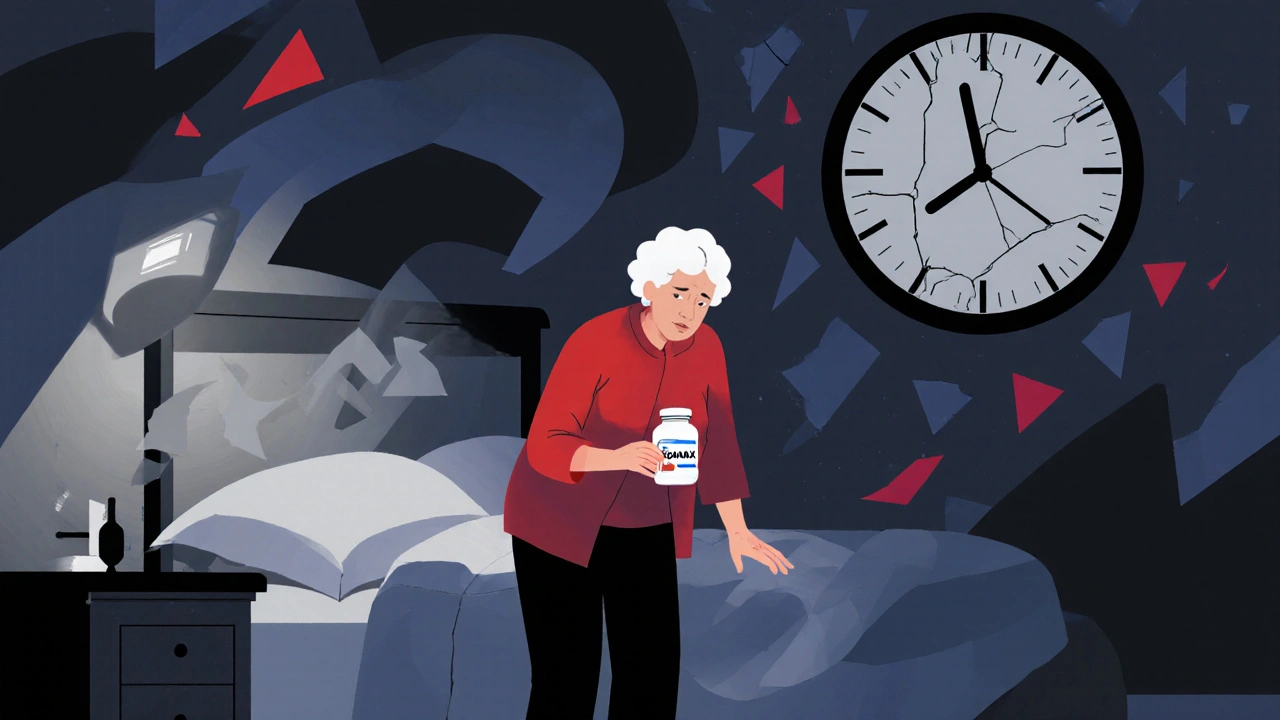
Benzodiazepines in the Elderly: Risks and Safer Alternatives
Benzodiazepines pose serious risks for seniors, including falls, memory loss, and dementia. Safer alternatives like CBT-I and SSRIs are more effective long-term. Learn why experts recommend stopping these drugs and how to do it safely.
read more