Glyburide: What It Is, How It Works, and What You Need to Know
When you're managing glyburide, a sulfonylurea medication used to treat type 2 diabetes by stimulating the pancreas to release more insulin. Also known as glibenclamide, it's one of the oldest and most widely prescribed oral diabetes drugs in the world. It doesn't cure diabetes, but for millions, it’s a daily tool that keeps blood sugar from spiking after meals. Unlike some newer drugs, glyburide works fast and is cheap—making it a go-to choice in clinics where cost matters.
But glyburide doesn’t work alone. It’s part of a bigger system involving type 2 diabetes, a condition where the body resists insulin or doesn’t make enough, leading to high blood sugar over time. If your pancreas still has some insulin-producing cells left, glyburide can help them work harder. But if those cells are worn out, the drug loses its punch. That’s why some people start on glyburide and later switch to insulin. It’s not failure—it’s progression.
People on glyburide often worry about low blood sugar, a dangerous side effect where blood glucose drops too low, causing shakiness, confusion, or even fainting. It’s the biggest risk with this drug, especially if you skip meals, drink alcohol, or exercise more than usual. Unlike newer diabetes pills, glyburide doesn’t care what you eat—it just pushes insulin out. That’s why timing meals and checking blood sugar regularly isn’t optional—it’s survival.
It also interacts with other drugs. If you’re taking sulfonylureas, a class of diabetes medications that includes glyburide, glipizide, and gliclazide, you’re already in a group with similar risks. Mixing glyburide with certain antibiotics, antifungals, or even NSAIDs can make low blood sugar more likely. Your doctor should know every pill you take—not just the diabetes ones.
And here’s something most patients don’t realize: glyburide doesn’t help with weight loss. In fact, many gain weight on it. That’s because extra insulin tells your body to store fat. If you’re trying to lose weight or improve insulin sensitivity, glyburide might not be the best long-term fit. That’s why doctors now often start with metformin first—it doesn’t cause weight gain or low blood sugar the same way.
Still, for many, glyburide works. It’s been around for decades, tested in real lives, not just labs. If you’re on it, you’re not alone. Thousands use it every day. The key is knowing how to use it safely: eat on time, check your sugar, watch for dizziness, and talk to your doctor if you feel off. It’s not glamorous, but it’s effective—if you treat it with respect.
Below, you’ll find real advice from people who’ve lived with glyburide for years—how they handle refills while traveling, what they eat to avoid crashes, how they spot warning signs, and when to ask for a change. This isn’t theory. It’s what works.
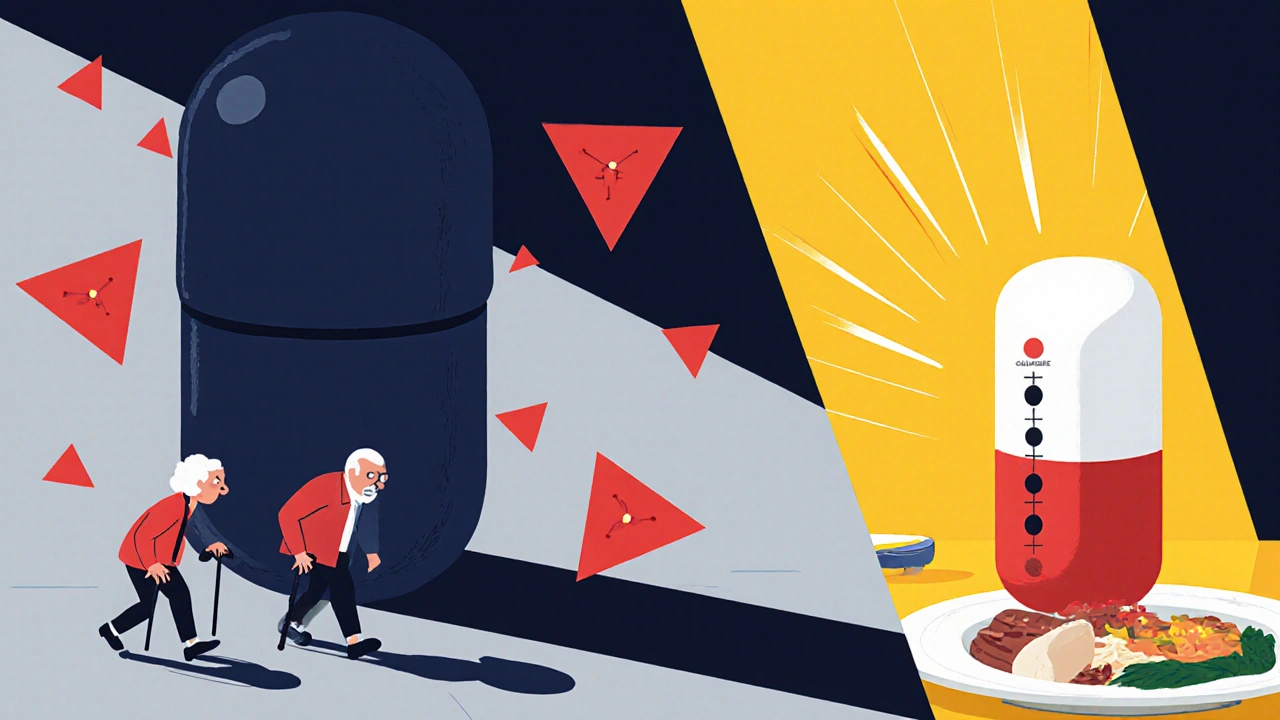
Choosing a Sulfonylurea: Which One Has the Lowest Hypoglycemia Risk?
Not all sulfonylureas are the same when it comes to hypoglycemia risk. Glipizide is the safest option for most people, while glyburide carries a much higher risk - especially in older adults. Learn which drug to choose and how to stay safe.
read more