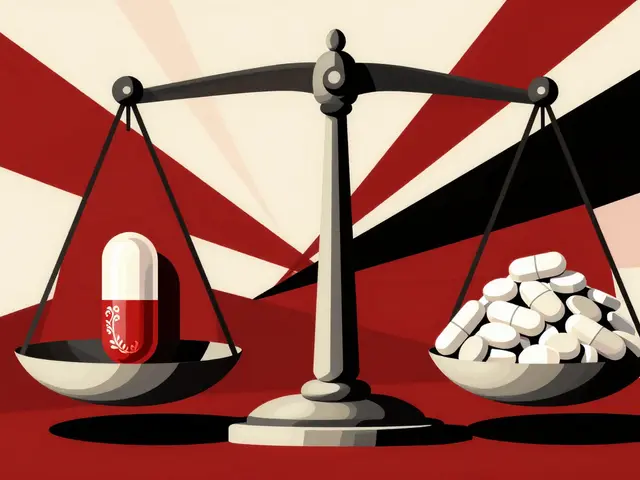
PCOS Diet: What to Eat, What to Avoid, and How It Really Works
When you have polycystic ovary syndrome, a hormonal disorder that affects how your body uses insulin and regulates ovaries. Also known as PCOS, it doesn’t just cause irregular periods or acne—it throws your metabolism off balance, often leading to weight gain, fatigue, and trouble getting pregnant. The right PCOS diet, a food plan designed to stabilize blood sugar and reduce inflammation. Also known as insulin-resistant diet, it’s not about starving yourself or cutting out carbs entirely—it’s about choosing the right kinds and pairing them smartly.
At the heart of PCOS is insulin resistance, when your body doesn’t respond well to insulin, so sugar stays in your blood instead of fueling your cells. This forces your pancreas to pump out more insulin, which then pushes your ovaries to make more testosterone. That’s why many women with PCOS struggle with facial hair, acne, and weight around the middle. The good news? Eating foods that don’t spike your insulin can break this cycle. Think whole grains over white bread, leafy greens over sugary snacks, and lean protein with every meal. Studies show that even a 5% weight loss from dietary changes can restore regular periods and improve fertility. You don’t need fancy supplements or detox teas. What you need is consistency. Skip the processed snacks, sugary drinks, and refined carbs—they’re the main drivers of inflammation and insulin spikes. Instead, focus on fiber-rich vegetables, healthy fats like avocado and olive oil, and slow-digesting proteins like eggs, tofu, and fish. Omega-3s from salmon or flaxseeds help lower inflammation, while magnesium from nuts and spinach supports insulin sensitivity.
There’s no one-size-fits-all PCOS diet, but the patterns are clear: eat real food, avoid junk, and time your meals so your blood sugar doesn’t go on a rollercoaster. Many women see improvements in just 8 to 12 weeks. Below, you’ll find real-world advice from people who’ve walked this path—what worked, what didn’t, and how to make changes that last. These aren’t theoretical tips. They’re the strategies that actually help women manage symptoms, lose weight without obsession, and feel like themselves again.
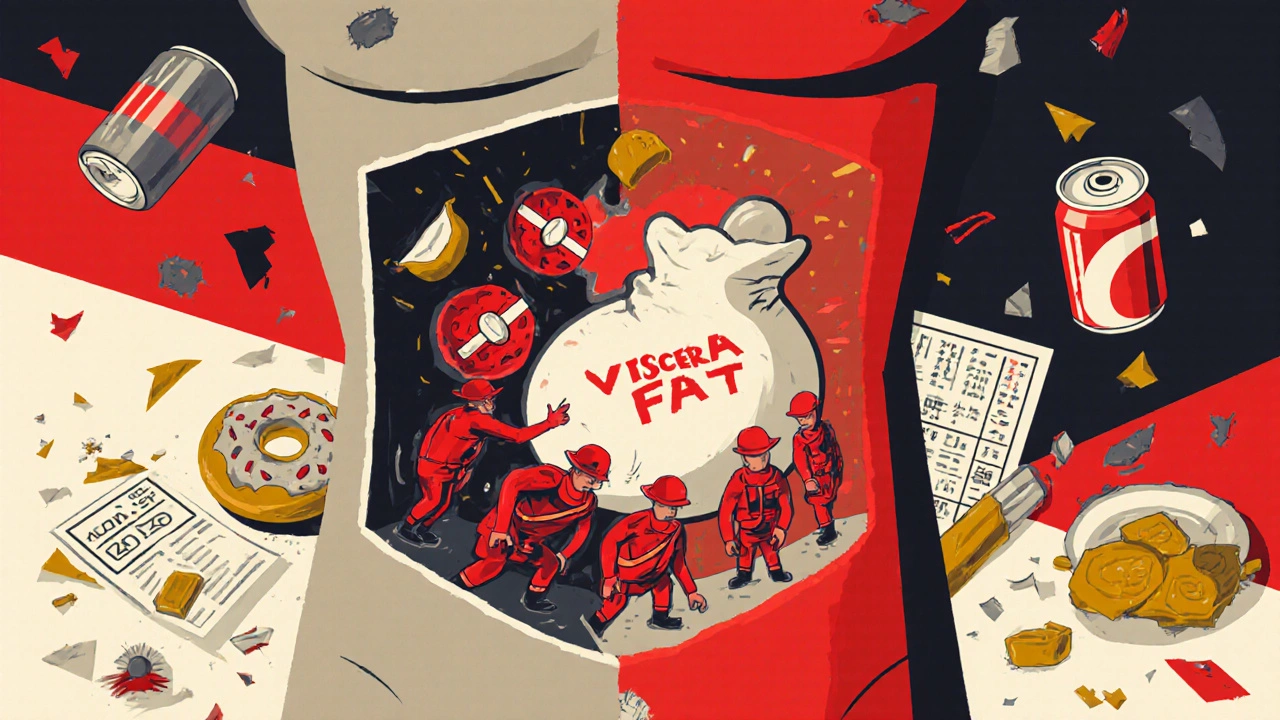
PCOS and Weight: How Insulin Resistance Drives Weight Gain and What to Eat
PCOS makes weight loss hard because of insulin resistance, which drives fat storage and cravings. Learn how diet and lifestyle changes can break the cycle and improve symptoms like irregular periods, acne, and diabetes risk.
read more