PCOS Weight Gain: Causes, Connections, and What Actually Helps
When you have PCOS, a hormonal disorder affecting how ovaries work and how the body processes insulin. Also known as polycystic ovary syndrome, it doesn’t just cause irregular periods — it rewires your body’s fat storage system. Many people with PCOS struggle to lose weight even when they eat well and exercise. That’s not laziness. It’s biology. The root issue isn’t calories in versus calories out — it’s insulin resistance, a condition where cells stop responding properly to insulin, forcing the body to make more of it. This excess insulin tells fat cells to hold onto weight, especially around the belly. And because insulin is a fat-storing hormone, your body becomes stuck in storage mode — no matter how hard you try to burn fat.
That’s why hormonal imbalance, the core feature of PCOS involving high androgens like testosterone, directly feeds into metabolic syndrome, a cluster of conditions including high blood pressure, abnormal cholesterol, and excess abdominal fat. These aren’t separate problems — they’re linked. High testosterone lowers your muscle mass, which slows your metabolism. Poor sleep from PCOS-related stress spikes cortisol, which worsens insulin resistance. It’s a cycle: one problem makes the next one worse. This is why diets that work for others often fail here. Cutting carbs alone won’t fix it if your hormones are screaming for sugar. And just adding more exercise won’t help if your body thinks it’s under stress and hoarding energy.
You’ll find real, science-backed strategies in the posts below — not vague advice like "just eat less." You’ll see how metformin helps reset insulin sensitivity, why certain foods block testosterone’s effects, and how sleep and stress management aren’t optional — they’re part of the treatment. You’ll also learn what medications can backfire, what supplements actually have data behind them, and how to tell if your weight gain is from PCOS or something else. These aren’t theories. They’re what doctors and patients are using right now to break the cycle. What follows is a collection of practical, no-fluff guides that connect the dots between hormones, metabolism, and real-life results.
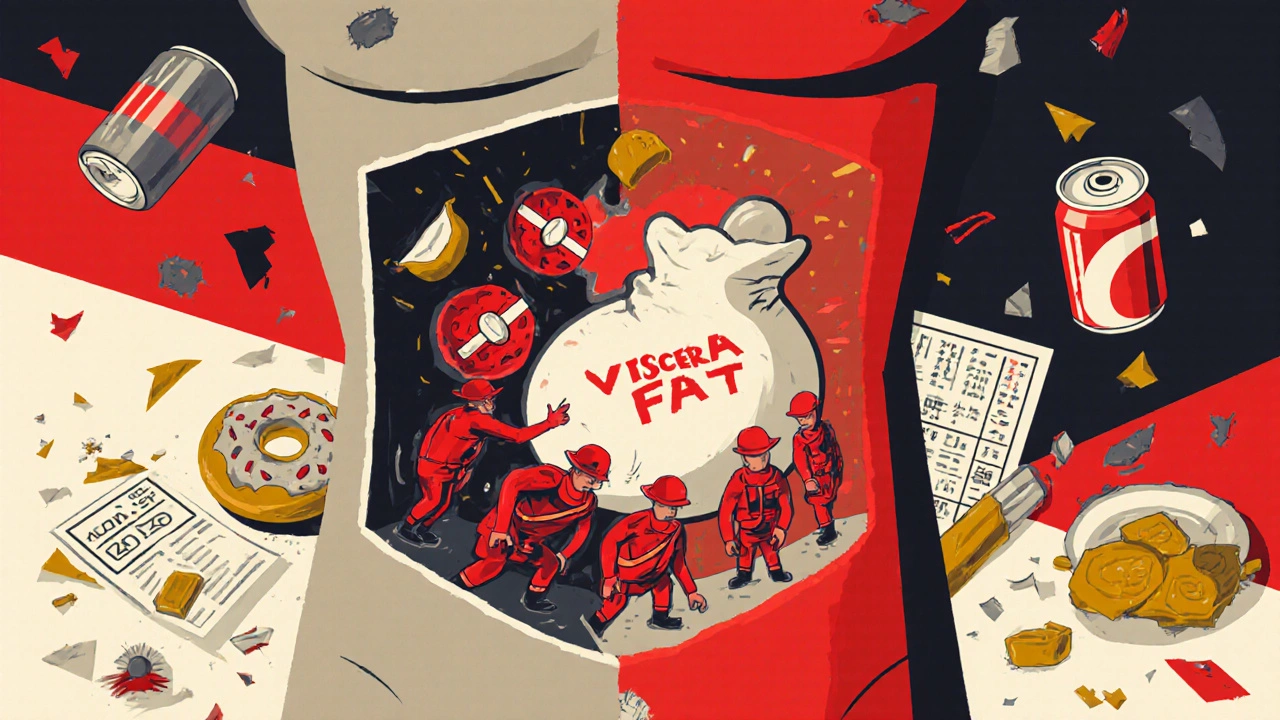
PCOS and Weight: How Insulin Resistance Drives Weight Gain and What to Eat
PCOS makes weight loss hard because of insulin resistance, which drives fat storage and cravings. Learn how diet and lifestyle changes can break the cycle and improve symptoms like irregular periods, acne, and diabetes risk.
read more