
21 Jan
|
12:27 PM
|
9
Vitamin D & Thiazide Diuretic Safety Checker
Thiazide diuretics (like hydrochlorothiazide) and vitamin D supplements can combine to increase blood calcium levels. This calculator helps you understand if your vitamin D dosage is safe when taking these medications.
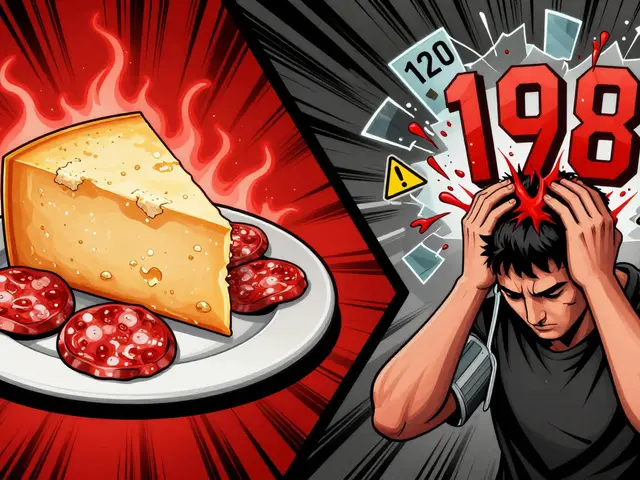
When you take vitamin D to support bone health and your doctor prescribes a thiazide diuretic for high blood pressure, it might seem like two harmless, even helpful, choices. But together, they can push your blood calcium levels into dangerous territory - a condition called hypercalcemia. This isn’t rare. It’s underdiagnosed, often mistaken for aging or dehydration, and it can land you in the hospital.
How Thiazide Diuretics Change Your Calcium Balance
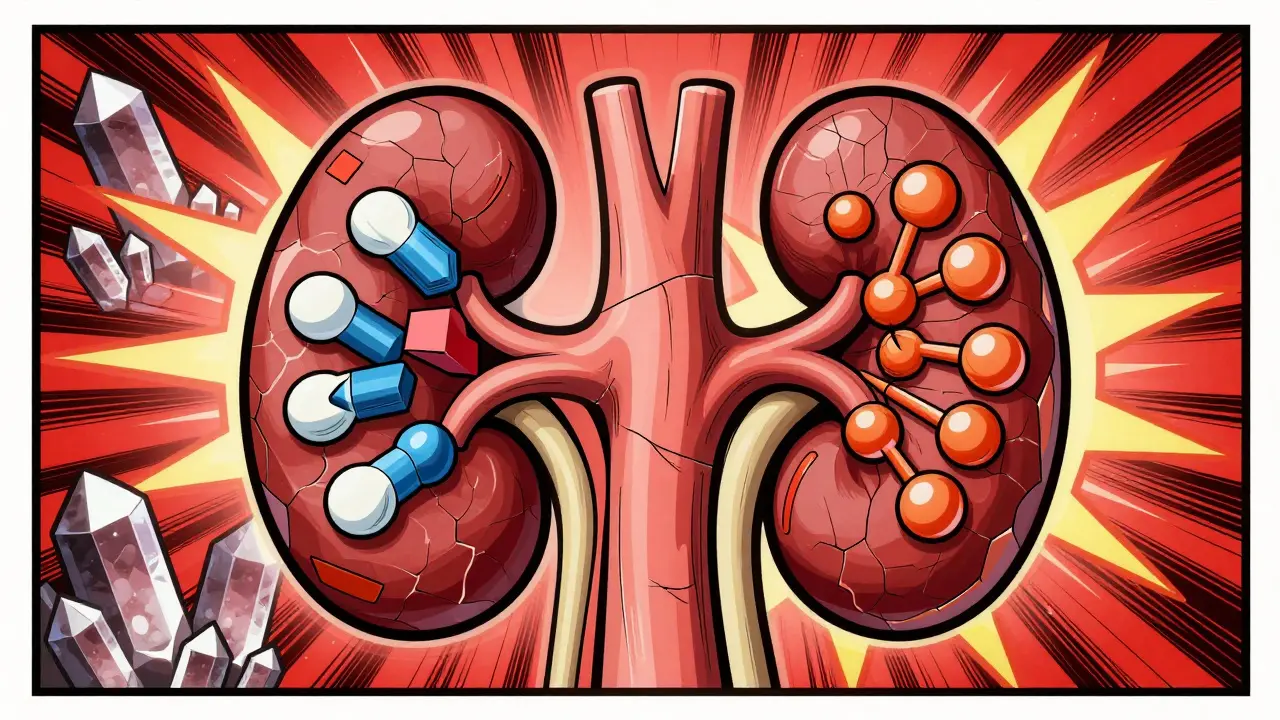
Thiazide diuretics - like hydrochlorothiazide (Microzide), chlorthalidone, and indapamide - are among the most prescribed blood pressure medications in the U.S., with over 50 million prescriptions filled in 2022. They work by blocking sodium and chloride reabsorption in the kidney’s distal tubule. But here’s the twist: while they make you pee out more sodium, they also cause your kidneys to hold onto more calcium. That’s right - instead of flushing calcium away like other diuretics (such as furosemide), thiazides reduce urinary calcium loss by 30-40%. This was once seen as a bonus, especially for people prone to kidney stones. But when paired with extra vitamin D, it becomes a recipe for trouble.Why Vitamin D Makes It Worse
Vitamin D isn’t just a supplement. It’s a hormone. Its active form, calcitriol, tells your intestines to absorb more calcium from food - sometimes by as much as 80%, depending on the dose. Most people take vitamin D3 supplements because they’re not getting enough sun or their diet is low in dairy. The recommended daily dose is 600-800 IU for adults. But many take 2,000, 5,000, or even 10,000 IU daily, thinking more is better. A 2023 ConsumerLab.com analysis found that nearly half of supplement users exceed recommended levels without medical advice. When vitamin D boosts intestinal calcium absorption and thiazides reduce kidney calcium excretion, you get a double hit. Calcium builds up in your blood. And once serum calcium climbs above 10.5 mg/dL, you’re in hypercalcemia territory. Symptoms? Fatigue, constipation, nausea, confusion, frequent urination, and muscle weakness. In older adults, these signs are often written off as "just getting older." But they’re not.Who’s at Highest Risk?
The risk isn’t equal for everyone. People over 65 are most vulnerable. About 80% of seniors take either a thiazide diuretic or a vitamin D supplement - and many take both. A 2023 Mayo Clinic study found that 22% of hypercalcemia cases in Medicare patients over 65 were directly linked to this combo. That’s more than one in five. People with borderline-high calcium levels to begin with are also at risk. If your baseline calcium is above 10.2 mg/dL, the American Geriatrics Society explicitly warns against combining these two. Even a moderate dose of vitamin D - say, 2,000 IU - can push you over the edge. And here’s something most patients don’t know: 61% of seniors on thiazides have never been told to check their calcium levels when taking vitamin D. That’s not because doctors are negligent - it’s because the interaction isn’t always top of mind. A 2023 American College of Physicians survey showed that while 78% of internists knew about the interaction, only 42% knew how often to test for it.What the Guidelines Say
The American Society of Nephrology, the Endocrine Society, and the European Society of Cardiology all agree: if you’re on a thiazide, don’t go above 2,000 IU of vitamin D daily. Some, like the American Geriatrics Society, recommend sticking to 800-1,000 IU. That’s enough to maintain bone health without triggering calcium overload. They also recommend testing. Before starting a thiazide, get a baseline serum calcium level. Then, check again after 3 months of taking vitamin D. After that, every 6-12 months is enough - unless your levels start climbing. That’s far more frequent than the once-a-year check many patients get. One 2022 study tracked 450 patients on this combo. When pharmacists started proactively scheduling calcium tests and adjusting doses, the rate of hypercalcemia dropped from 11.3% to just 2.7%. Simple interventions - like calling patients to remind them to get blood work - made a huge difference.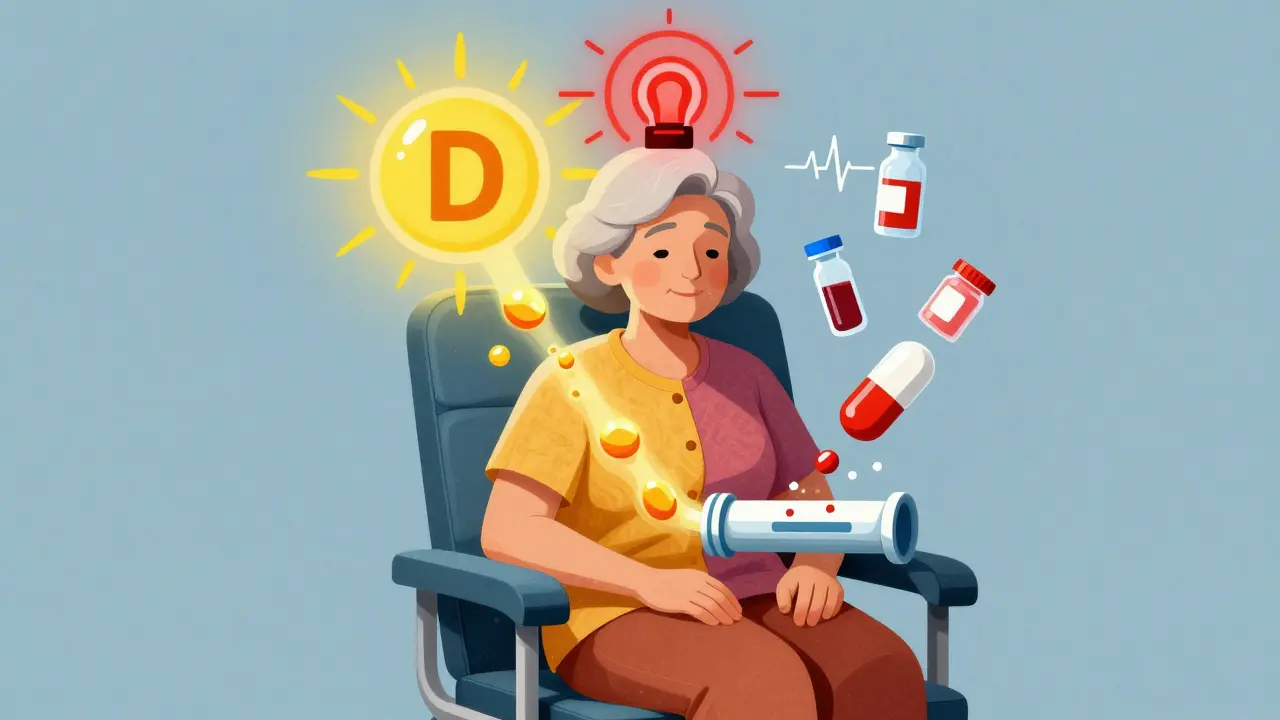
What About Other Diuretics?
Not all diuretics behave the same. Loop diuretics like furosemide actually make you lose calcium - they’re safer if you’re taking high-dose vitamin D. Potassium-sparing diuretics like spironolactone don’t affect calcium much either. If your doctor prescribes a diuretic and you’re also on vitamin D, ask: "Is this the best choice for my calcium levels?" Chlorthalidone has a slightly stronger calcium-sparing effect than hydrochlorothiazide - about 42% vs. 35%. But both are risky with vitamin D. The newer thiazide-like drug metolazone may be less problematic, with only a 25% reduction in calcium excretion. That’s still not zero, but it’s a step in the right direction.Real Stories, Real Consequences
On Reddit’s r/Pharmacy, a nurse practitioner shared: "I’ve had three patients in six months with calcium levels above 11 mg/dL - all from taking 5,000 IU of vitamin D3 with their hydrochlorothiazide. All ended up in the ER." One patient, a 72-year-old woman, took 5,000 IU of vitamin D daily for "immune support" and was on hydrochlorothiazide 25 mg for hypertension. She felt tired all the time, didn’t want to eat, and got constipated. Her doctor thought she was depressed. Her calcium level? 11.8 mg/dL. She was hospitalized for dehydration and confusion. After stopping the vitamin D and lowering her thiazide dose, her calcium returned to normal in six weeks. On Drugs.com, 32% of negative reviews for hydrochlorothiazide mention calcium issues - not just "dry mouth" or "dizziness." People are connecting the dots. But most still don’t.What You Should Do
- If you’re on a thiazide diuretic (hydrochlorothiazide, chlorthalidone, indapamide), ask your doctor to test your serum calcium - and make sure it’s corrected for albumin. Unadjusted levels can mislead.
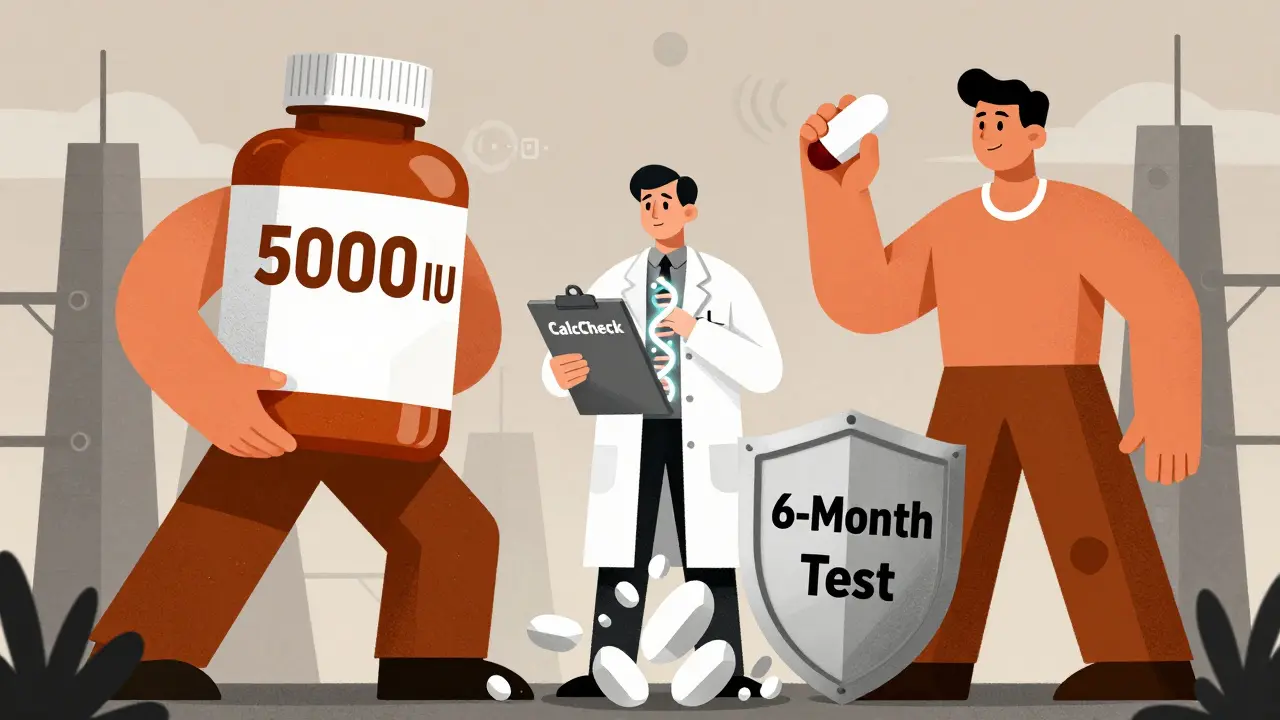
- Don’t take more than 1,000 IU of vitamin D daily unless your doctor specifically tells you to. Most people don’t need more.
- If you’re taking over 2,000 IU daily, ask if it’s necessary. Are you deficient? Did you get your blood tested? Or are you just guessing?
- Ask if a different blood pressure medication might be safer. Spironolactone or a calcium channel blocker might be better options if your calcium is borderline.
- Get your calcium checked every 6 months if you’re on both.
Is This Risk Worth It?
Thiazides are effective. They lower blood pressure better than many alternatives, especially over 24 hours. The SPRINT trial proved that. But effectiveness doesn’t mean safety without oversight. The benefits of thiazides are real - but so are the risks when paired with high-dose vitamin D. The good news? This risk is completely manageable. You don’t have to stop vitamin D. You don’t have to stop your blood pressure pill. You just need to know the interaction exists, test regularly, and keep doses low. As Dr. William Elliott from the University of Illinois puts it: "The benefits far outweigh the risk - when you’re paying attention."What’s Changing?
Health systems are catching on. Kaiser Permanente now uses EHR alerts that pop up when a patient on a thiazide tries to refill a vitamin D dose over 2,000 IU. Since 2021, they’ve cut inappropriate combinations by 63%. The FDA now requires hypercalcemia warnings on thiazide labels. The American Heart Association is expected to release updated guidelines in early 2024, likely tightening recommendations further. And a new genetic test called CalcCheck, approved by the FDA in 2023, can now predict who’s most at risk based on variations in the calcium-sensing receptor gene. Soon, personalized risk scores may guide dosing - not just guesswork.Bottom Line
Vitamin D and thiazide diuretics aren’t enemies. But together, they can quietly push your body into a dangerous state. Hypercalcemia doesn’t come with a siren. It creeps in with fatigue, constipation, and confusion - symptoms that feel normal to older adults. Don’t assume your supplements are safe just because they’re "natural." Don’t assume your doctor knows your full supplement list. Take charge: know your calcium level. Know your vitamin D dose. Ask the questions. This interaction is preventable. And it should be.



9 Comments
My grandma took vitamin D and hydrochlorothiazide for years. She got really weak and confused last winter. Doctors thought it was dementia. Turned out her calcium was 11.5. They stopped the supplement and she bounced back. Why isn’t this common knowledge?
Patients on thiazide diuretics should be monitored for serum calcium levels, particularly when receiving supplemental vitamin D. The pharmacokinetic interaction is well-documented in clinical literature. A daily intake exceeding 1,000 IU of vitamin D3 in this population significantly elevates the risk of hypercalcemia. Routine laboratory surveillance is essential to prevent adverse outcomes.
This is so important. I’ve seen too many older patients told to "take more vitamin D for immunity" without a single check-up. It’s not about fear-it’s about awareness. If you’re on blood pressure meds and popping pills, ask your pharmacist. Just one conversation can save you a hospital trip.
The mechanism of thiazide-induced hypocalciuria is mediated by increased expression of epithelial calcium channels (TRPV5/6) and sodium-calcium exchanger (NCX1) in the distal convoluted tubule. When combined with supraphysiologic vitamin D dosing, the resultant increase in intestinal calcium absorption overwhelms renal regulatory capacity, leading to sustained hypercalcemia. This is not a theoretical concern-it is a documented iatrogenic phenomenon with clear biomarker thresholds.
People think supplements are harmless because they're "natural." That's the dumbest myth in modern medicine. If you're taking 5,000 IU of vitamin D without a blood test, you're not being healthy-you're being reckless. And doctors who don't warn you? They're negligent. This isn't a debate. It's negligence wrapped in a gummy bear.
Thank you for sharing this. I’m a caregiver for my father, who’s on chlorthalidone and takes 2,000 IU of vitamin D daily. I didn’t realize the risk. I’ll schedule his calcium test next week. I also wonder-should we consider switching to a calcium channel blocker? Are there studies comparing long-term outcomes between diuretic types in this context?
Man, I’m from Nigeria and we don’t even think about this stuff. We just take vitamin D because the sun’s not strong enough. But now I get it-meds can mess with each other. I’ll tell my uncle to check his blood before he keeps popping those pills.
so... like... vitamin D and thiazides?? they just... like... work together?? and make your calcium go up?? and no one tells you?? and you just feel tired?? and they think you're old?? and then you end up in the hospital?? and it's all so... so... avoidable?? i mean, seriously?? why is this not on every prescription label?? why isn't it in the pamphlets?? why??
Prevention requires awareness. Awareness requires communication. Communication requires systems. Systems are slow. But individuals can act now. Test. Question. Adjust. Simple steps, profound impact.