Glipizide: What It Is, How It Works, and What You Need to Know
When you have glipizide, a sulfonylurea oral medication used to lower blood sugar in people with type 2 diabetes. It's also known as Glucotrol, and it works by telling your pancreas to make more insulin—especially after meals. Unlike metformin, which helps your body use insulin better, glipizide boosts insulin production directly. This makes it useful for people whose pancreas still has some function but isn’t releasing enough.
Glipizide doesn’t work for everyone. It’s not for type 1 diabetes or diabetic ketoacidosis. And if you’re allergic to sulfa drugs, you should avoid it. The most common side effect is low blood sugar—especially if you skip meals, drink alcohol, or take too much. That’s why timing matters: you usually take it 30 minutes before breakfast or your main meal. It’s not a cure, but for many, it’s a reliable tool to keep blood sugar in range without shots.
Glipizide often shows up in discussions about type 2 diabetes, a chronic condition where the body doesn’t use insulin properly, leading to high blood sugar management alongside other drugs like metformin or GLP-1 agonists. It’s cheaper than newer options, which is why it’s still widely prescribed—even as guidelines shift. But it’s not always the first choice anymore. Doctors now often start with metformin because it doesn’t cause weight gain or low blood sugar as often. Still, if you’ve tried other meds and your blood sugar stays high, glipizide might be the next step.
What you won’t find in most brochures is how glipizide interacts with other drugs. For example, if you’re taking antifungal medications, like fluconazole or ketoconazole, which can slow down how fast your body breaks down glipizide, your risk of low blood sugar goes up. That’s why it’s important to tell your pharmacist every pill you take—even herbal ones. Same goes for NSAIDs, beta-blockers, and even some antibiotics. These aren’t rare interactions—they’re common enough that your doctor should check for them.
There’s also the issue of long-term use. Glipizide can work well for years, but some people find it loses effectiveness over time. That’s not a failure—it’s how type 2 diabetes progresses. Your pancreas gets more worn out. That’s why many end up adding metformin, or switching to a GLP-1 drug like Ozempic. But if you’re stable on glipizide, with no major side effects and good control, there’s no reason to change.
Below, you’ll find real-world advice from people who’ve used glipizide and other diabetes meds. You’ll see how to handle missed doses, what to eat to avoid crashes, how to tell if it’s still working, and what to do if your blood sugar won’t budge. Some posts compare it to other pills. Others warn about drug interactions you might not expect. There’s even a guide on how to manage refills when you’re traveling—because running out of glipizide isn’t something you want to figure out mid-vacation.
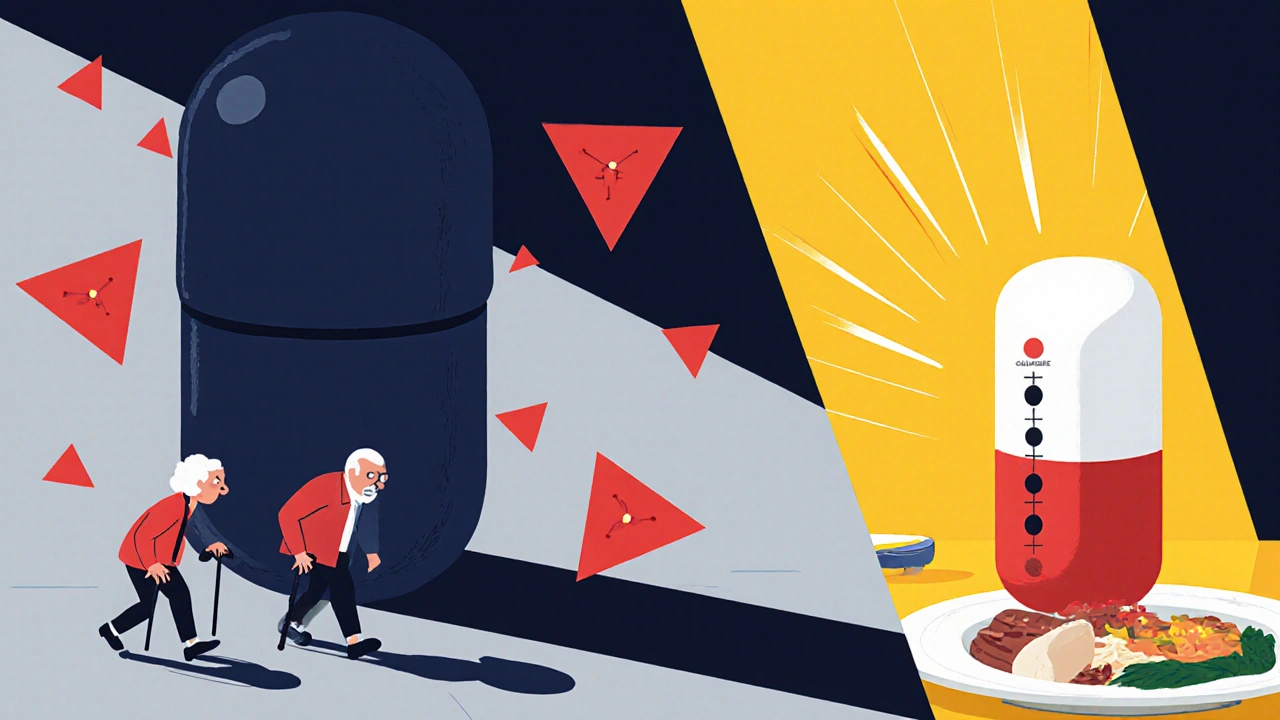
Choosing a Sulfonylurea: Which One Has the Lowest Hypoglycemia Risk?
Not all sulfonylureas are the same when it comes to hypoglycemia risk. Glipizide is the safest option for most people, while glyburide carries a much higher risk - especially in older adults. Learn which drug to choose and how to stay safe.
read more