Senior Anxiety Meds: Safe Options, Risks, and What Actually Works
When older adults struggle with anxiety, the right medication can make a huge difference—but the wrong one can be dangerous. Senior anxiety meds, medications prescribed to manage anxiety in people over 65, often require special care due to changes in metabolism, kidney function, and other health conditions. Also known as anxiety treatments for the elderly, these drugs aren’t just scaled-down versions of those used in younger adults. What works for a 40-year-old might cause confusion, falls, or even hospitalization in someone 75.
Many doctors still reach for benzodiazepines, a class of sedatives like lorazepam or diazepam that calm the nervous system quickly. Also known as tranquilizers, they were once the go-to for seniors—but now, guidelines warn against them. Why? They slow reaction time, increase fall risk by up to 50%, and can cause memory lapses that mimic dementia. The American Geriatrics Society lists them as potentially inappropriate for older adults, yet they’re still prescribed too often. Instead, many now turn to SSRIs, selective serotonin reuptake inhibitors like sertraline or escitalopram, which help regulate mood without the sedation or addiction risk. Also known as antidepressants for anxiety, these are now first-line choices for seniors because they’re safer long-term and don’t interact badly with most heart or blood pressure meds. But even SSRIs aren’t risk-free. They can cause low sodium levels, worsen balance, or trigger agitation in some. And if a senior is already taking statins, blood thinners, or pain meds, the combo could lead to dangerous interactions—like bleeding or muscle damage.
It’s not just about picking the right drug. It’s about understanding how aging changes the body’s response. Liver enzymes slow down. Kidneys filter less. Fat stores increase, making drugs linger longer. A 10mg dose that’s fine for a 50-year-old might be too strong for a 75-year-old. That’s why starting low and going slow isn’t just advice—it’s a necessity. And it’s why non-drug options like therapy, exercise, or even sunlight exposure often work better than pills alone. The posts below dig into real cases: which anxiety meds are safest for seniors on multiple prescriptions, how SSRIs compare to older drugs, what to watch for when mixing meds, and why some prescriptions should be avoided altogether. You’ll find clear, no-fluff guides based on actual patient data—not theory. What you learn here could help you or someone you love avoid a hospital visit and find real relief.
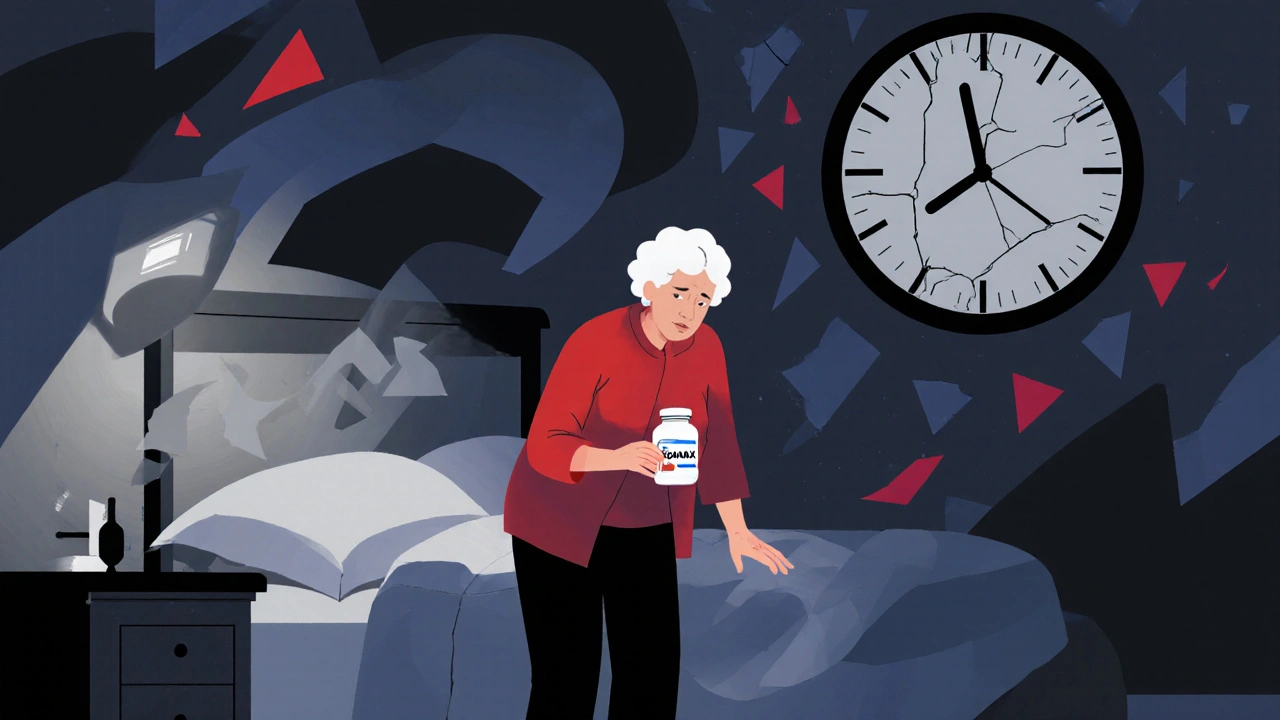
Benzodiazepines in the Elderly: Risks and Safer Alternatives
Benzodiazepines pose serious risks for seniors, including falls, memory loss, and dementia. Safer alternatives like CBT-I and SSRIs are more effective long-term. Learn why experts recommend stopping these drugs and how to do it safely.
read more