Sleep Disorder Diagnosis: How to Identify and Track Your Sleep Issues
When you can’t fall asleep, wake up too early, or feel exhausted even after eight hours in bed, it’s not just bad luck—it might be a sleep disorder diagnosis, a medical evaluation to identify underlying conditions disrupting normal sleep patterns. Also known as sleep medicine evaluation, it’s the first step toward fixing what’s really going on when your body won’t rest. Many people assume they just need to drink less coffee or try melatonin, but if your sleep problems last more than three months, it’s not a phase—it’s a condition that needs proper tracking and testing.
Common types of sleep disorders include insomnia, difficulty falling or staying asleep despite opportunity, sleep apnea, pauses in breathing during sleep that rob your body of oxygen, and circadian rhythm, your body’s internal clock that gets thrown off by shift work, jet lag, or screen exposure. These aren’t just "bad nights"—they’re measurable, diagnosable issues. For example, sleep apnea isn’t just snoring; it’s linked to high blood pressure, heart disease, and even stroke. And insomnia? It’s not always anxiety. It can be caused by medications, thyroid problems, or restless legs syndrome.
Doctors don’t guess—they test. A sleep study, called a polysomnogram, records brain waves, oxygen levels, heart rate, and breathing while you sleep. Home sleep tests are now common for suspected sleep apnea. But before any test, you’ll likely track your sleep for weeks using a diary or app. Did you take benzodiazepines? Are you on antibiotics that mess with your sleep cycle? Did your symptoms start after a change in meds or a new job? These details matter. The right diagnosis changes everything: treating sleep apnea with a CPAP machine can cut your risk of heart problems in half. Fixing a circadian rhythm issue might just mean adjusting light exposure—not popping pills.
You’ll find real stories here—how people figured out their sleep problems weren’t "just stress," what tests actually revealed, and which medications made things worse. Some had insomnia from antidepressants. Others discovered their "bad sleep" was actually periodic limb movement disorder. A few found out their snoring was sleep apnea only after their partner recorded it. No fluff. No hype. Just what works, what doesn’t, and what you need to ask your doctor before you accept another prescription.
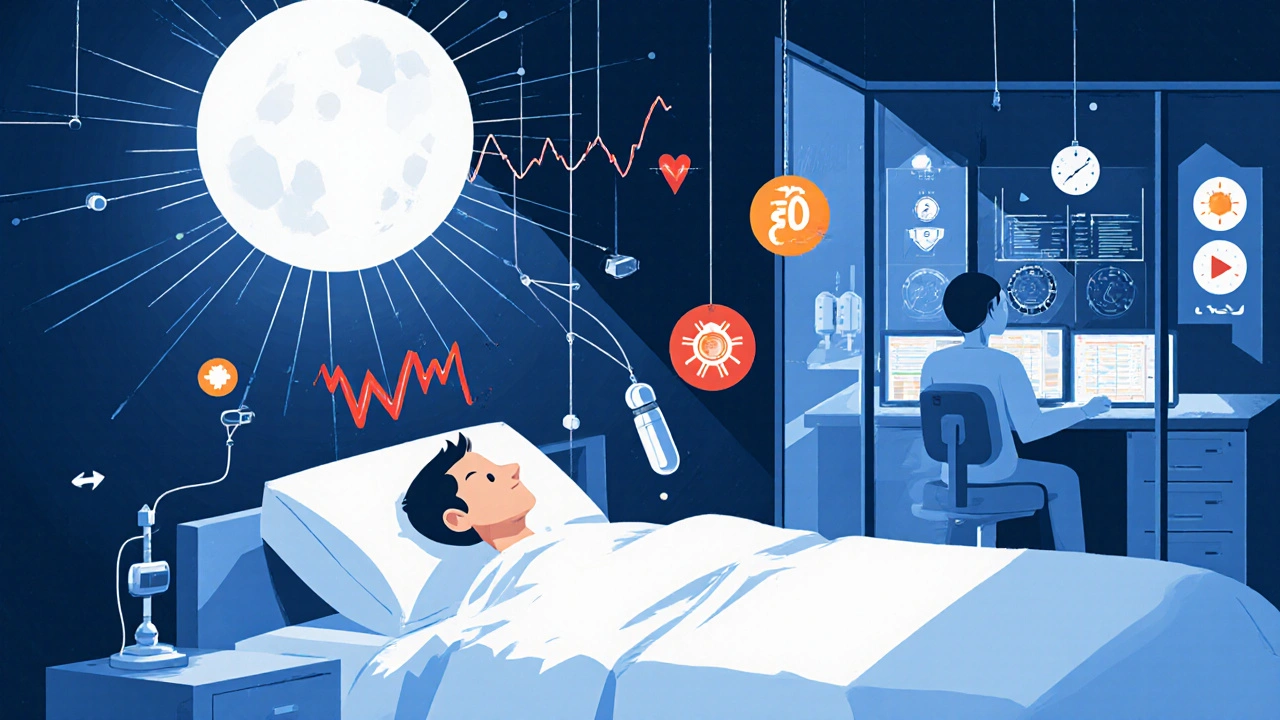
Polysomnography: What to Expect During a Sleep Study and How Results Are Interpreted
Polysomnography is the gold standard sleep study used to diagnose sleep disorders like sleep apnea, narcolepsy, and restless legs syndrome. Learn what happens during the test, how results are interpreted, and why it's more accurate than home tests.
read more