Tag: bioequivalence waivers
IVIVC and Waivers: How In Vitro Methods Are Replacing In Vivo Bioequivalence Testing
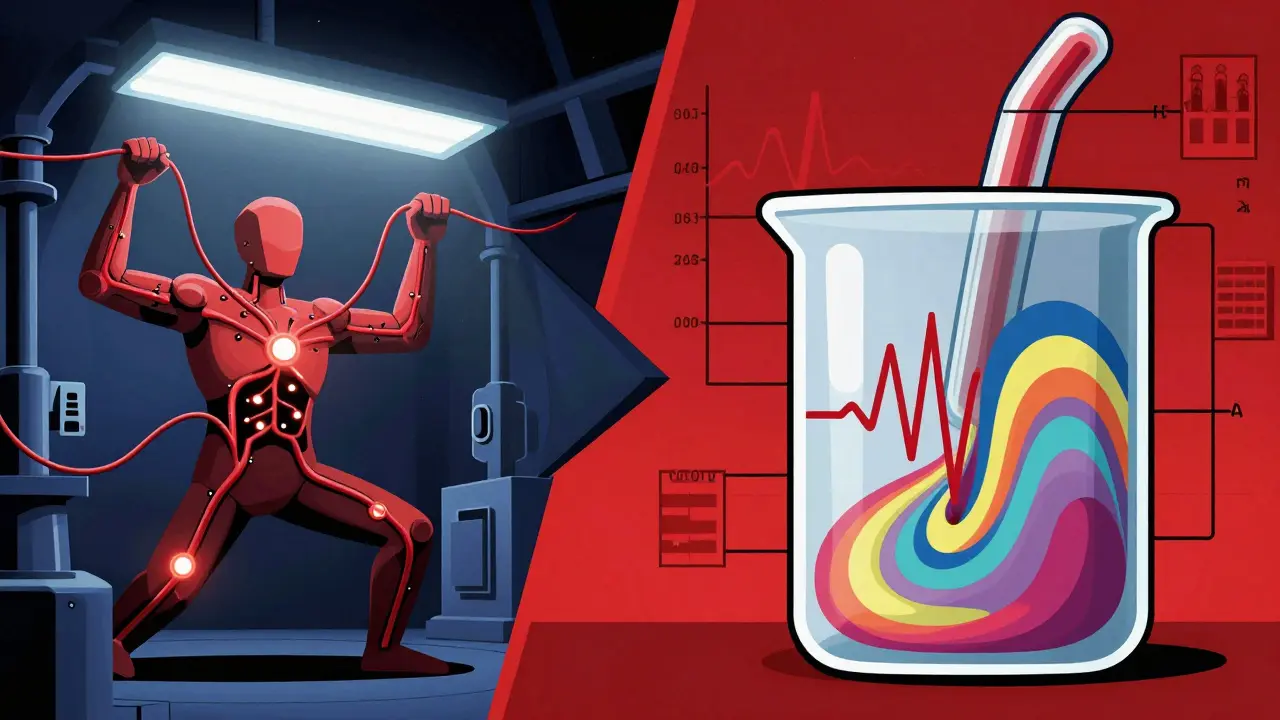
IVIVC lets pharmaceutical companies predict how a drug behaves in the body using lab-based dissolution tests, replacing costly and time-consuming human trials. When done right, it saves millions and speeds up generic drug approval.
read morerecent posts
DTC prescription drug ads in the U.S. drive higher demand for branded medications, often overshadowing equally effective generics. Research shows ads increase prescriptions but also lead to inappropriate requests and higher costs. Learn how advertising influences patient decisions and healthcare outcomes.
Published ON: 6 FebIBS causes recurring abdominal pain, bloating, and bowel changes. Learn the real symptoms, common triggers like food and stress, and proven medication options for IBS-D, IBS-C, and mixed types - plus non-drug strategies that work.
Published ON: 2 FebAnti-IgE and anti-IL-5 biologics are transforming severe asthma care by targeting specific immune pathways. Learn how omalizumab, mepolizumab, and benralizumab reduce flare-ups, cut steroid use, and restore quality of life for those who don’t respond to standard treatments.
Published ON: 13 FebOsteoporosis weakens bones, increasing fracture risk. Bisphosphonate therapy slows bone loss and reduces fractures. Learn how these treatments work, their benefits, risks, and alternatives for better bone health.
Published ON: 4 FebPatent exclusivity and market exclusivity are two separate legal tools that protect drug prices. Patents cover inventions; FDA exclusivity blocks generics using clinical data-even without a patent. Understanding the difference explains why some drugs stay expensive long after patents expire.
Published ON: 7 Feb