Sleep Study: What It Is, Why It Matters, and What to Expect
When you toss and turn every night, or your partner says you stop breathing while sleeping, a sleep study, a medical test that records your body’s activity during sleep to diagnose disorders like apnea or insomnia. Also known as polysomnography, it’s the gold standard for understanding why rest feels impossible. This isn’t just about counting how long you sleep—it’s about measuring oxygen levels, brain waves, heart rhythm, and even leg movements to find what’s truly disrupting your rest.
Most people who need a sleep study have symptoms like loud snoring, daytime fatigue that doesn’t go away, or sudden gasping during sleep. These aren’t normal aging quirks—they’re red flags for sleep apnea, a condition where breathing stops repeatedly during sleep, often due to blocked airways. Left untreated, it raises your risk of high blood pressure, heart attacks, and stroke. Others struggle with insomnia, trouble falling or staying asleep despite having time and opportunity, or restless legs syndrome. A sleep study doesn’t guess—it measures. And those numbers? They tell your doctor exactly what’s wrong and what to do next.
What happens during the test? You’ll spend a night in a quiet room with sensors on your scalp, face, chest, and legs. No needles. No pain. Just a few sticky patches and a belt around your chest. A technician watches your data from another room and can adjust things if needed. Some places offer at-home sleep studies for simple cases like suspected sleep apnea, but if your symptoms are complex, you’ll need the full lab setup. Results usually come back in a week or two, and they don’t just say "you have apnea." They show how often you stop breathing, how low your oxygen drops, and whether your brain wakes you up too often. That detail is what lets doctors pick the right treatment—CPAP, oral devices, lifestyle changes, or even surgery.
What you’ll find in the posts below isn’t theory—it’s real advice from people who’ve been through it. You’ll see how to prepare for a sleep study without anxiety, what to bring, how to handle the sensors, and how to interpret the report when it lands in your inbox. You’ll also learn about medications that can mess with sleep patterns, how weight loss helps apnea, and why some people still feel tired even after using a CPAP machine. This isn’t a one-size-fits-all topic. Whether you’re just starting to wonder if you need a study, or you’re stuck after one didn’t help, there’s something here that speaks to your situation.
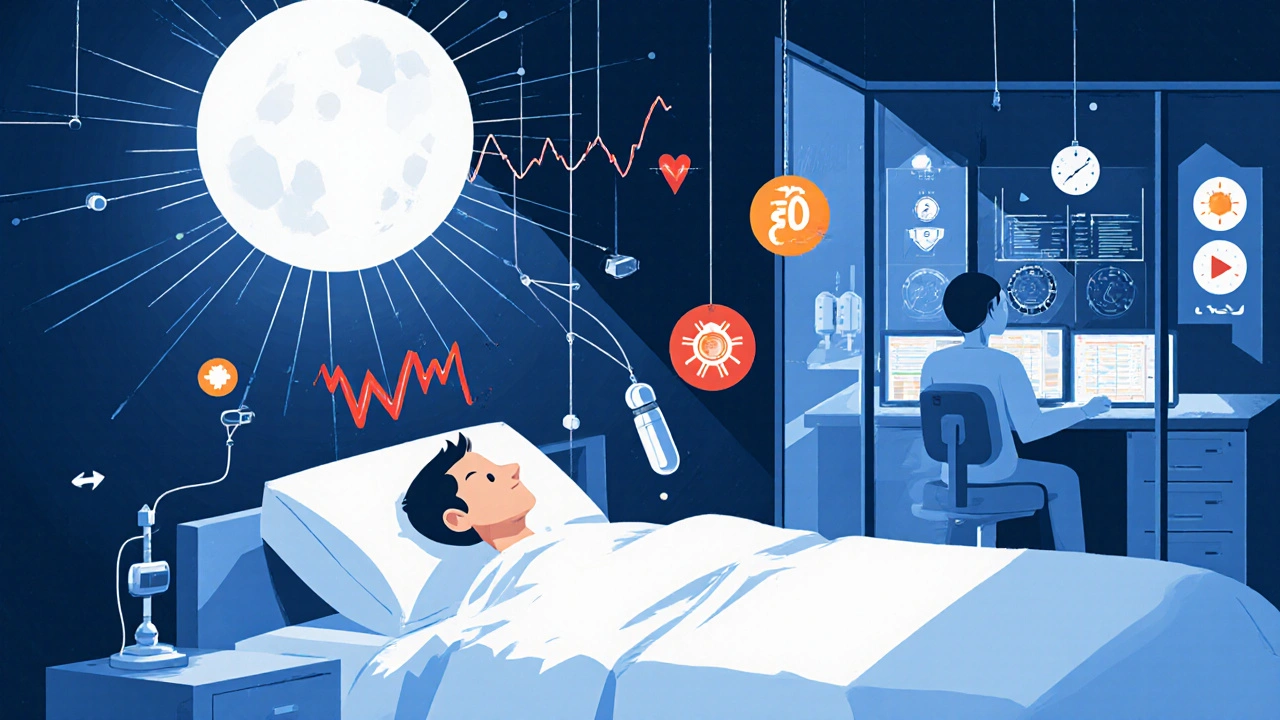
Polysomnography: What to Expect During a Sleep Study and How Results Are Interpreted
Polysomnography is the gold standard sleep study used to diagnose sleep disorders like sleep apnea, narcolepsy, and restless legs syndrome. Learn what happens during the test, how results are interpreted, and why it's more accurate than home tests.
read more