
Adolescent Psychiatric Medication Risk Tracker
How This Tool Works
Based on FDA guidelines and clinical best practices, this tool helps you assess risk levels for suicidal ideation in adolescents taking psychiatric medications. Enter medication details and symptoms to calculate risk level and get tailored recommendations.
- Sudden mood swings or irritability
- Withdrawal from friends/activities
- Talking about being a burden or trapped
- Giving away possessions
- Increased substance use
- Sleep disturbances
- Hopelessness or worthlessness
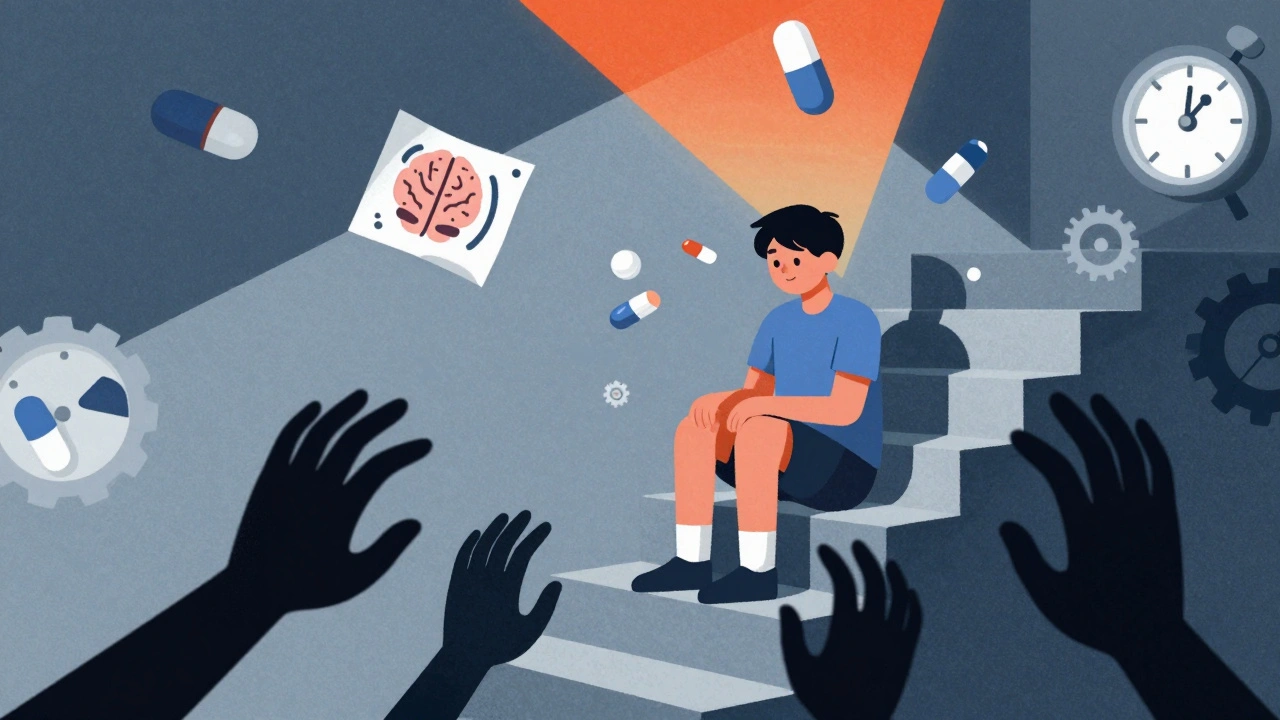
When a teenager starts taking psychiatric medication, the goal is relief - not risk. But for some, the very drugs meant to ease depression, anxiety, or OCD can trigger new, dangerous thoughts. The U.S. Food and Drug Administration (FDA) put a black box warning on all antidepressants in 2004 after data showed a spike in suicidal thinking among kids and teens in the first few weeks of treatment. That warning still stands. And while medication can be life-saving, it’s not a magic pill. The real work begins after the prescription is written.
Why Monitoring Isn’t Optional
Psychiatric medications don’t work the same in teens as they do in adults. Their brains are still developing. Their bodies process drugs differently. And their emotional responses can be unpredictable. A 15-year-old on sertraline might feel better after two weeks - or they might start talking about not wanting to live anymore. That’s not rare. It’s expected enough that every major clinical guideline now demands active, ongoing monitoring.The FDA’s warning applies to anyone under 25. But it’s not just antidepressants. Antipsychotics, mood stabilizers, even stimulants used for ADHD can, in rare cases, worsen suicidal thoughts. A 2023 review by MedPsych Health found no medication class is immune. That means if a teen is on any psychiatric drug, someone - a parent, a therapist, a doctor - needs to be watching closely.
When the Risk Is Highest
Timing matters. The biggest danger isn’t after months of treatment. It’s in the first 1 to 4 weeks. That’s when the body is adjusting, before the mood-lifting effects kick in, but after the energy and impulsivity start to rise. A teen who was too tired to get out of bed might suddenly have the drive to act on dark thoughts.Another high-risk window? When meds are stopped. Tapering too fast can cause withdrawal symptoms that mimic or worsen depression. One study found that nearly 30% of teens who stopped antidepressants abruptly reported increased suicidal ideation within two weeks. That’s why guidelines from California and Oklahoma say: if you’re reducing the dose, see the teen more often - maybe weekly - until stability returns.
What to Look For
Monitoring isn’t just asking, “Are you having thoughts of suicide?” That’s too blunt. Teens often hide what they feel. You need to watch for subtle shifts:- Sudden mood swings - especially irritability or rage outbursts
- Withdrawal from friends, school, or activities they used to enjoy
- Talking about being a burden, feeling trapped, or saying things like “It won’t matter if I’m gone”
- Giving away prized possessions or writing goodbye notes
- Increased substance use - alcohol, vaping, marijuana - which can lower inhibitions and amplify risk
Ask open-ended questions: “How have you been feeling since we started this med?” or “What’s changed for you since last month?” Let silence sit. Don’t rush to fix it. Sometimes, just being heard is the first step away from crisis.
Who’s Responsible?
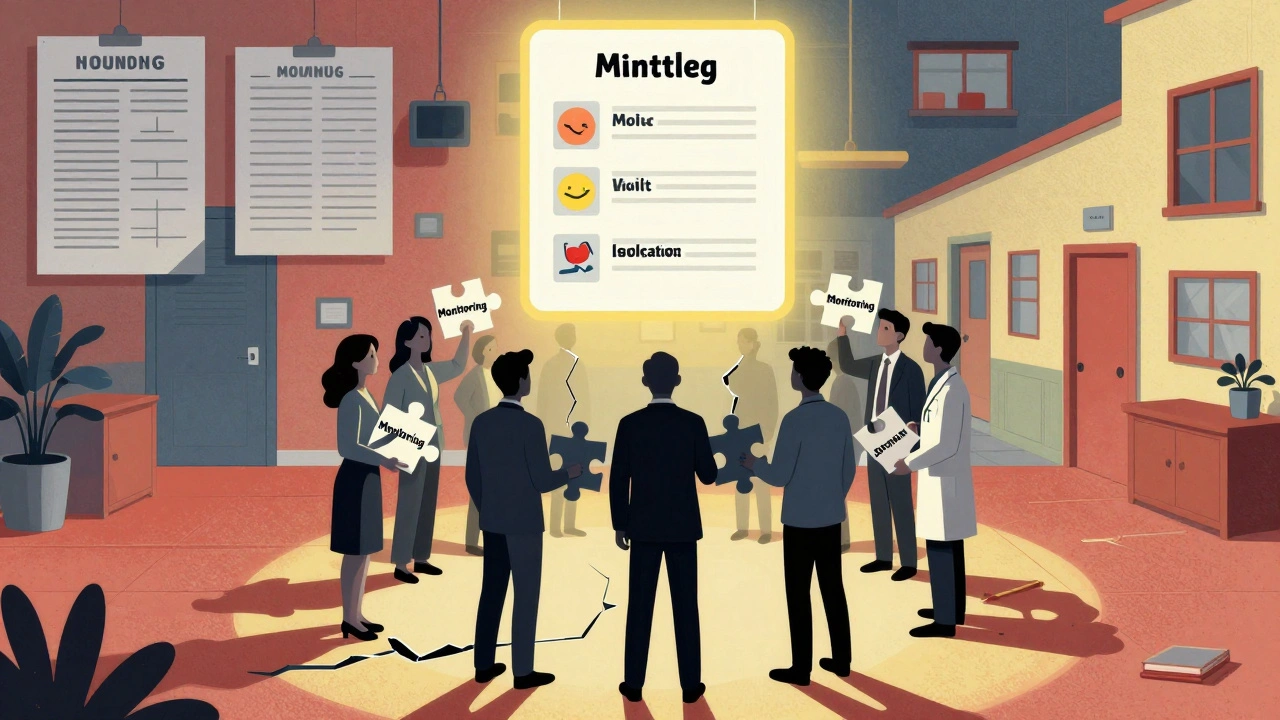
It’s not just the psychiatrist’s job. Monitoring is a team sport. The teen’s parent or guardian should be trained to spot warning signs. School counselors need to know if a student is on medication - and what to watch for. Therapists should be asking about medication effects in every session. Yet, a 2022 survey found that 68% of school-based mental health staff had no clear communication protocol with outpatient providers. That gap is deadly.Even the most careful prescriber can miss something if the family doesn’t know what to say. A 2021 AACAP survey showed 42% of child psychiatry fellows felt unprepared to explain suicide risk to families during informed consent. That’s not a failure of the doctor - it’s a system failure. Everyone involved needs training. Not just once. Regularly.
How Often Should You Check In?
There’s no one-size-fits-all schedule, but here’s what the best practices say:- First 4 weeks: Weekly visits with the prescriber. No exceptions.
- Weeks 5-12: Every two weeks. Keep checking in even if things seem fine.
- After 3 months: Monthly, unless there’s a red flag.
- During dose changes or discontinuation: Back to weekly - even if the teen says they’re fine.
Some states, like New York, require weight, blood pressure, and BMI checks every three months - but those are basic health metrics. Suicidal ideation needs its own checklist. California’s guidelines say: “Document whether the teen believes the medication is helping.” If they say no - even once - that’s a red flag. Not a reason to stop the med, but a reason to dig deeper.
What Good Documentation Looks Like
If you don’t write it down, it didn’t happen. That’s the rule in child psychiatry. Every visit should include:- Date and time of assessment
- Specific questions asked about mood, sleep, energy, and thoughts of self-harm
- Teen’s exact words - not summaries
- Family’s observations
- Changes in behavior at school or home
- Plan for next steps - continue, adjust, or stop?
And if the decision is made to discontinue? Document why. Was it side effects? Lack of response? Parental concern? The teen’s own voice? All of it matters. California law requires this. So do most reputable clinics. It’s not bureaucracy - it’s safety.
What’s Missing in Many Clinics
Too many practices still treat psychiatric meds like antibiotics: take it for 10 days, feel better, done. But mental health doesn’t work that way. A 2020 study in the Journal of the American Academy of Child and Adolescent Psychiatry found only 57% of outpatient clinics had any standardized protocol for monitoring suicidal ideation linked to medication. In the South, it was as low as 48%.Some clinics focus only on weight gain or movement disorders - the easy-to-measure side effects. But suicidal ideation? That’s invisible. That’s why digital tools are starting to help. By 2022, 38% of child psychiatry practices used electronic risk screens. But only 19% of those tools were designed specifically to track medication-related suicidal thoughts. Most just ask, “Have you thought about hurting yourself?” without linking it to the timing of the drug dose or change.
What Families Can Do
You don’t need a medical degree to save a life. Here’s what you can do right now:- Ask your teen directly: “I know this med is supposed to help. Have you had any thoughts about not wanting to be here?” Don’t panic. Just ask.
- Keep a journal. Note changes in sleep, appetite, school performance, and mood - even small ones.
- Know the warning signs. Don’t wait for a crisis. If your teen starts giving things away, talking about being a burden, or isolating - act.
- Ask for a written plan. Before starting any med, ask: “What do we do if things get worse?” Get it in writing.
- Connect with the school. Let the counselor know. Ask if they have a safety plan in place.
The Bigger Picture
We’re in a mental health crisis. More teens are on meds than ever. Between 2010 and 2020, antidepressant use in adolescents rose 38%. Suicide attempts rose 51%. We can’t say one caused the other - but we can’t ignore the overlap. The answer isn’t to stop prescribing. It’s to prescribe smarter.The National Institute of Mental Health is now funding $28.7 million in research to find biological markers that predict who’s at risk for medication-induced suicidal thoughts. That’s promising. But we don’t have to wait for a blood test to save lives. We have what we need now: awareness, communication, and consistent monitoring.
Medication can give a teen back their life. But only if someone is watching - closely, regularly, and without fear.
Can psychiatric medications cause suicidal thoughts in teens?
Yes. While these medications are often effective, the FDA issued a black box warning in 2004 after studies showed an increased risk of suicidal thinking in children and adolescents under 25, especially during the first few weeks of treatment or after a dose change. This risk applies to antidepressants, antipsychotics, and some mood stabilizers. It doesn’t mean these drugs are unsafe - it means they require careful monitoring.
How often should a teen on psychiatric medication be monitored for suicidal ideation?
In the first 4 weeks after starting a new medication or changing the dose, weekly check-ins with the prescriber are critical. After that, every two weeks for the next 8-12 weeks, then monthly if stable. If the medication is being tapered or discontinued, return to weekly monitoring. Any sign of worsening mood, agitation, or withdrawal should trigger an immediate follow-up.
What should parents look for at home?
Watch for sudden changes: increased irritability, sleep disturbances, giving away belongings, talking about being a burden, withdrawing from friends, or expressing hopelessness. Also note if they start using alcohol or drugs - that can make suicidal thoughts more likely to turn into action. Don’t wait for them to say they’re suicidal. Look for the behavior changes first.
Is it safe to stop psychiatric medication if suicidal thoughts appear?
Never stop abruptly. Stopping suddenly can cause withdrawal symptoms that mimic or worsen depression, increasing suicide risk. If suicidal ideation emerges, contact the prescribing provider immediately. They may adjust the dose, switch medications, or add therapy - but they need to guide the process. Tapering slowly under supervision is the only safe approach.
Do all psychiatric medications carry this risk?
The FDA black box warning applies specifically to antidepressants, but research shows that antipsychotics, mood stabilizers, and even stimulants can, in rare cases, trigger or worsen suicidal thoughts in adolescents. Experts now agree that monitoring for suicidal ideation should be part of every psychiatric medication plan - not just for antidepressants.
What if my teen says the medication isn’t helping?
That’s a critical signal. If a teen says the medication isn’t helping - or makes them feel worse - it’s not just a complaint. It’s a clinical red flag. Document it. Share it with the prescriber. The medication may need to be adjusted, switched, or combined with therapy. Never ignore their perspective. Their experience is the most important data point.
Can school staff help with monitoring?
Yes - but only if they’re informed and trained. School counselors and nurses can spot behavioral changes, social withdrawal, or emotional outbursts that parents or doctors might miss. But most schools don’t have clear protocols for sharing this info with outpatient providers. Parents should request a meeting with the school’s mental health team and provide written permission for communication. Consistent coordination saves lives.
Are there tools to help track suicidal ideation?
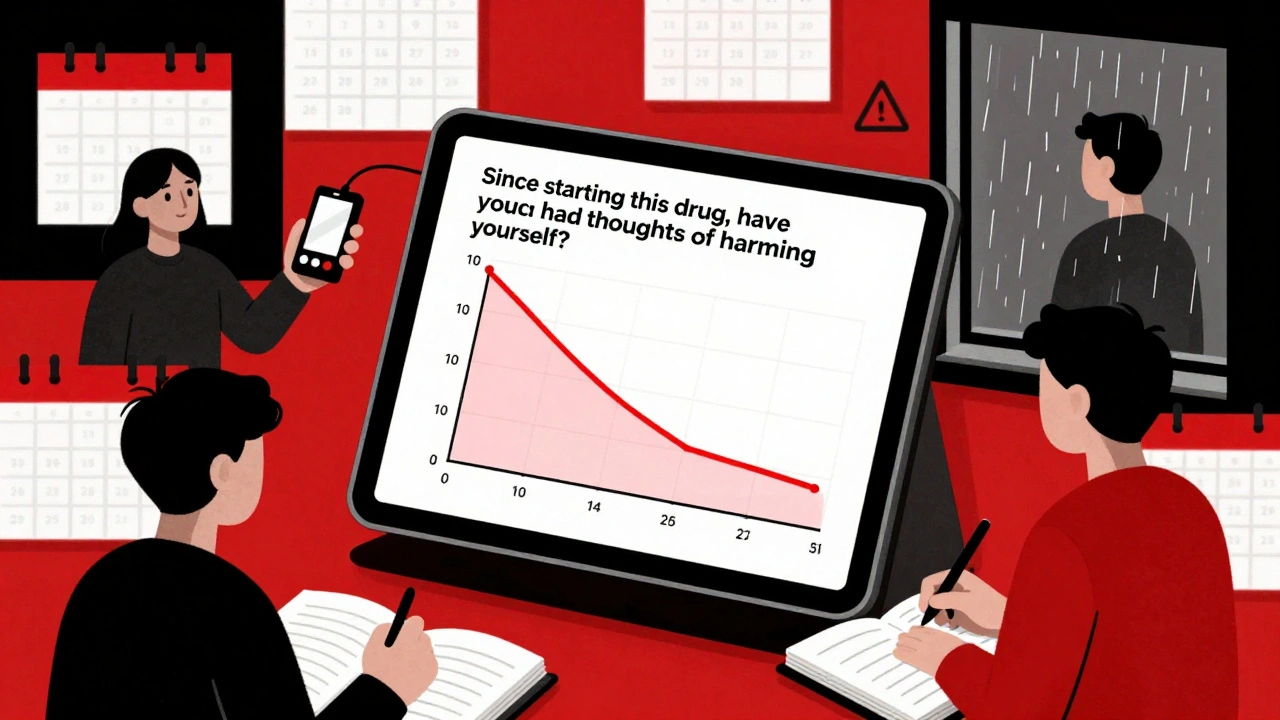
Yes. Many clinics now use digital screening tools that ask teens to rate their mood daily or weekly. But most general apps don’t link changes to medication timing. The best tools are those designed specifically for medication monitoring - asking questions like, “Since starting this drug, have you had thoughts of harming yourself?” and tracking responses over time. Ask your provider if they use one.
Next Steps for Families and Clinicians
If you’re a parent: Start the conversation today. Ask your teen how they really feel about their medication. Write down what they say. Call the doctor if anything feels off - don’t wait for the next appointment.If you’re a clinician: Review your monitoring protocol. Is suicidal ideation tracked at every visit? Is there a documented plan for dose changes? Are families trained to recognize warning signs? If not, update it now. There’s no excuse for outdated practices.
Medication can be a bridge - but only if someone is holding the other end. Don’t let silence be the reason a teen doesn’t make it across.




14 Comments
Man, I’ve seen this play out in my clinic - kid starts on sertraline, seems fine for a week, then suddenly they’re texting their friends ‘I’m done’ like it’s a meme. The energy spike before the mood lift? That’s the silent killer. We need better tools to catch that window - not just ‘are you suicidal?’ but ‘how’s your sleep? Are you still gaming for 8 hours straight?’ Those are the real red flags.
STOP treating this like a checklist. If your teen’s giving away their PS5 or suddenly stops texting their best friend, that’s not ‘moodiness’ - that’s a cry for help. You don’t need a PhD to act. Call the doc. Text the school counselor. Sit with them in silence. You don’t have to fix it - just be there. Lives depend on this. Not next week. Today.
Big picture: meds are just one piece. I’ve had teens on SSRIs who improved 80% after adding CBT and cutting out TikTok doomscrolling. The real issue? We’re medicating faster than we’re building support systems. Schools don’t have counselors. Parents are burnt out. And docs? They’re juggling 50 patients a day. We need structural fixes, not just more monitoring forms.
Also - ‘document everything’? Yes. But don’t just write ‘patient reports low mood.’ Quote them. ‘I feel like a ghost in my own body.’ That’s the data that saves lives.
They give pills to children… and call it healing. But the soul doesn’t respond to chemistry. It responds to meaning. And meaning is missing. We’ve turned pain into a prescription. We’ve forgotten how to listen.
Let’s be real - this whole black box warning is a PR stunt. The FDA’s scared of lawsuits, not kids. Look at the data: SSRIs reduce suicide attempts overall. The risk is tiny, but they turned it into a panic because Big Pharma didn’t fund the right studies. Meanwhile, teens are getting off meds because parents freak out - and then they crash harder. We’re making the problem worse by overreacting.
Also - why are we assuming parents can ‘monitor’? Half of them are on their third divorce and work two jobs. This isn’t a parenting issue. It’s a societal collapse.
One thing I’ve learned working in adolescent psych: the kids who say ‘I’m fine’ are the ones you gotta watch. The ones screaming for help? They’re usually already in therapy. It’s the quiet ones - the ones who stop laughing, stop texting back, stop eating - that slip through. And yeah, the first 4 weeks? That’s the danger zone. But it’s also the window where early intervention works best. Don’t wait for the crisis. Be proactive. Weekly check-ins aren’t bureaucracy - they’re lifelines.
Oh great. Another article telling parents they’re failing because they didn’t keep a mood journal while juggling 3 jobs and a sick dog. Brilliant. Meanwhile, the real issue? No access to therapists who take insurance, 18-month waitlists, and schools that treat mental health like a club you can opt out of. But sure - blame the parent for not being a full-time psychiatrist.
They’re drugging kids to keep them quiet. You think this is medicine? It’s social control. The system doesn’t want you to feel - it wants you to function. The ‘black box’? A distraction. The real danger is the entire psychiatric industrial complex. They profit from your child’s pain. Wake up.
Yes, yes, yes - this is exactly right. Monitoring isn’t optional - it’s non-negotiable. And documentation? Essential. I’ve reviewed charts where the only note was ‘patient tolerating medication well.’ That’s not a note - that’s negligence. You need exact quotes, behavioral logs, school reports, sleep patterns - all of it. And if you’re not asking about substance use? You’re missing half the picture. Alcohol + SSRI = dangerous cocktail. Don’t skip the questions.
As a mom of a 16-year-old on fluoxetine - I didn’t know what to watch for. So I made a spreadsheet. Sleep. Appetite. School attendance. Text tone. Who they’re texting. I tracked it for 6 weeks. On day 14, he said ‘I feel like I’m watching myself from outside.’ I called the doc immediately. They lowered the dose. He’s doing great now. Don’t wait for a crisis. Start tracking today. You don’t need to be an expert - just a parent who cares.
There’s a metaphysical layer here we ignore. Medication doesn’t heal the wound - it numbs the sensation. But the wound is still there. The real work isn’t in the clinic - it’s in the home. In the silence after dinner. In the unasked question: ‘Do you feel seen?’ We treat symptoms like problems. But they’re signals. The drug might silence the signal - but not the cause. We need to listen to the silence behind the diagnosis.
It’s hilarious how everyone acts like they’re saving lives by ‘monitoring.’ Meanwhile, the same people who demand weekly check-ins for antidepressants are the ones who let their kid binge 12 hours of YouTube and play Call of Duty until 3 a.m. You want to prevent suicide? Fix the sleep hygiene. Fix the social isolation. Fix the lack of purpose. Not just slap on a med and call it a day. This isn’t medicine - it’s lazy parenting with a prescription pad.
Let me tell you what I’ve seen in five years of working with teens on psych meds - and I’ve seen a lot. The ones who do well? They have structure. Regular meals. Consistent sleep. A therapist who actually listens. And a parent who doesn’t treat the medication like a magic wand. The ones who spiral? Their parents are either in denial or micromanaging every mood swing. The truth? It’s not about the drug - it’s about the ecosystem. You can’t fix a broken home with a pill. You need routines, boundaries, and emotional safety - not just a checklist. And yes - if your kid says the med isn’t helping, that’s not ‘attitude.’ That’s data. Listen to it. Then act. Not next week. Now.
Here’s the uncomfortable truth: most of these ‘warning signs’ are just teenage behavior. Mood swings? Withdrawal? Irritability? That’s what 15-year-olds do. You’re pathologizing normal development. The real epidemic isn’t suicidal ideation - it’s overdiagnosis. We’re turning adolescence into a disorder. And now we’re drugging kids to make them compliant. The black box warning exists because the system is terrified of being sued - not because it’s saving lives. The data shows SSRIs reduce suicide rates long-term. But nobody wants to say that out loud.