

Thyroid Medication & Supplement Timing Guide
Set Your Routine
If you take thyroid medication alongside vitamin supplements, you might feel like you are missing a crucial step in your health routine. Many people assume that taking all their pills together saves time, but this habit can seriously reduce the effectiveness of their treatment. When Levothyroxine meets calcium or iron in your stomach, they bind together before your body can absorb the medicine. This results in lower blood levels of the hormone you desperately need to regulate your metabolism.
The reality is that proper timing changes everything. Medical data shows that without separation, absorption can drop by over 20%. You could be swallowing a full dose daily while still feeling tired, gaining weight, or suffering from brain fog because your body isn't actually absorbing the drug. Understanding the chemistry behind this interaction allows you to build a schedule that ensures your medication works exactly as intended.
The Hidden Chemistry Behind Drug Interactions
To understand why separation matters, you have to look at what happens inside your gastrointestinal tract. Levothyroxine is a synthetic form of thyroxine (T4) used to treat hypothyroidism. It is a delicate molecule that relies on specific conditions in your gut to enter your bloodstream efficiently. When you introduce other compounds like minerals, the environment changes drastically.
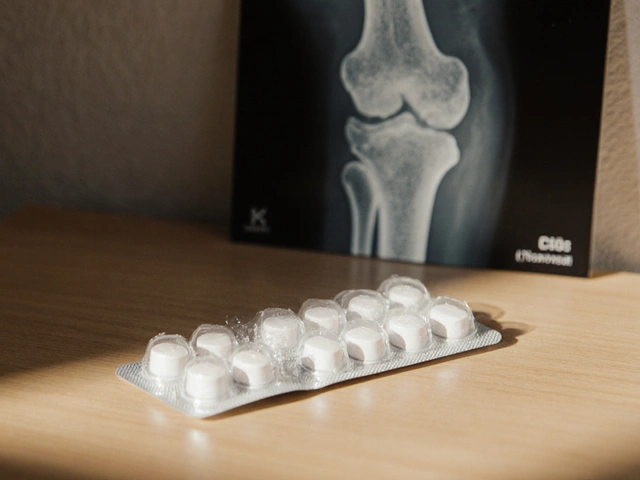
Calcium supplements act like magnets in your digestive system. Calcium Supplementation creates insoluble complexes with the levothyroxine molecule. These complexes are too large to pass through the intestinal wall. A study published in the Journal of Clinical Endocrinology found that even one dose of calcium carbonate reduced thyroid hormone absorption by approximately 25% when taken simultaneously.
Iron behaves similarly but often causes even more significant issues. Ferrous sulfate, the most common form of Iron Supplementationused to treat anemia, binds tightly with levothyroxine. In clinical trials involving stable patients, adding iron supplements caused TSH levels to spike significantly in nearly 80% of participants. Your thyroid stimulating hormone rises because your body senses a lack of thyroid hormone and signals your pituitary gland to work harder.
Exact Separation Intervals for Maximum Absorption
Generic advice often suggests spacing things out, but precision matters here. General rules of thumb leave room for error that your body cannot afford. Here is the breakdown of how long you should wait between your thyroid medication and your mineral supplements.
| Supplement Type | Minimum Separation Time | Optimal Administration Window | Absorption Impact Risk |
|---|---|---|---|
| Calcium Carbonate | At least 4 Hours | Evening with Dinner | High (22% reduction) |
| Iron Supplement | At least 4 Hours | Lunch or Early Afternoon | Very High (Up to 50% reduction) |
| Multivitamins | At least 4 Hours | Breakfast or Lunch | Moderate to High |
| Fiber Supplements | At least 2 Hours | After Meals | Moderate |
The standard protocol recommends taking your thyroid pill first thing in the morning on an empty stomach. Then, you must wait before introducing any minerals. While some sources say two hours is enough for certain drugs, the interaction with levothyroxine specifically demands a longer buffer. Waiting four hours is the safest bet to guarantee therapeutic levels.
Dietary calcium does not carry the same risk as supplemental forms. Milk and yogurt contain calcium, but the bioavailability is different compared to the concentrated doses found in pills. You generally don't need to worry about food containing calcium unless you are consuming massive amounts right after your dose. However, fortified orange juice or cereal with high calcium levels should still be spaced apart slightly to be safe.

Building a Realistic Daily Schedule
Knowing the science is one thing; fitting it into a busy life is another. Most patients struggle with the logistics of waiting four hours before eating breakfast or taking vitamins. You need a plan that works with your biological clock rather than fighting it.
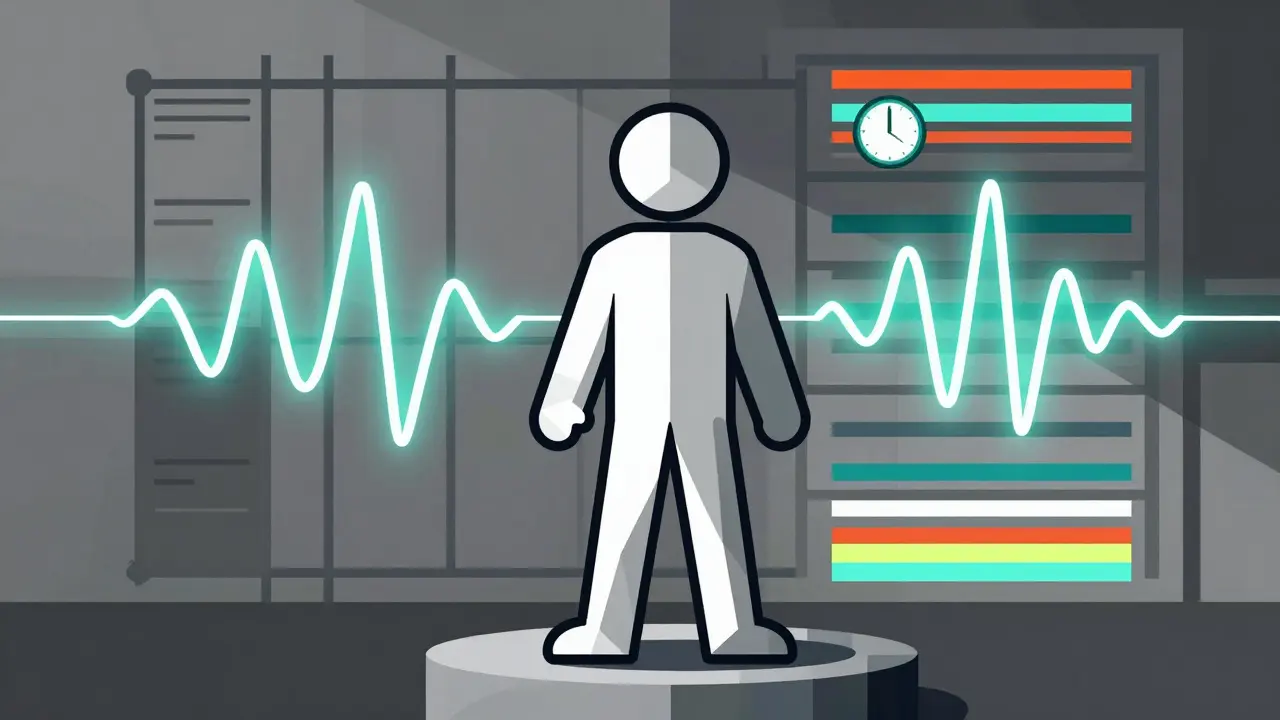
Start your day by waking up early enough to take the medication. Swallow the pill with a full glass of water. Sit down and wait 30 to 60 minutes before eating anything substantial. This gap ensures the stomach has cleared the tablet so it can be absorbed in the small intestine. During this waiting period, stick to water or coffee without milk. Dairy products introduce calcium that could start the interference process immediately.
Once you have eaten breakfast, set a timer for your next steps. If you need to take multivitamins, save them for lunch. If you require iron or calcium specifically, move those to dinner time. Evening administration works well because the gap since morning will easily exceed four hours. For example, if you take your thyroid medication at 6:00 AM, having a calcium supplement at 8:00 PM provides a ten-hour window, ensuring zero overlap in your system.
Pill organizers can help visualize this schedule. Label distinct compartments for morning versus evening doses. Visual cues reduce cognitive load during stressful weeks. Some users find success using smartphone alarms set specifically for "Medication Time" and "Vitamin Time" to avoid accidental overlaps caused by forgetfulness.
Recognizing Signs That Your Dose Isn't Working
Sometimes you follow the rules, but interactions still happen due to undetected factors. Your body gives signals when the levothyroxine isn't hitting the mark effectively. Pay attention to recurring symptoms that mimic hypothyroidism despite regular dosing.
Common indicators include persistent fatigue, unexplained weight gain, dry skin, hair loss, or feeling cold more often than usual. If these symptoms return after previously stabilizing, suspect an absorption issue. The gold standard for verification is testing your Thyroid Stimulating Hormone (TSH)A blood test measuring thyroid function. If your TSH level drifts upward toward 4.5 mU/L or higher while your doctor believes your dose should be sufficient, revisit your supplement intake.
Keep a log of your supplement intake alongside your blood work results. Show this journal to your healthcare provider. They can adjust your levothyroxine dosage once the interference is removed. Sometimes, simply separating the doses stabilizes your levels without requiring a higher prescription amount.
Alternative Solutions for Severe Interactions
For some individuals, maintaining strict separation is physically impossible due to unpredictable schedules or severe malabsorption syndromes. In these cases, standard tablets may fail regardless of timing efforts. Fortunately, pharmaceutical advancements offer better solutions.
Liquid formulations of thyroid medication have gained significant traction in recent years. The gel capsule version bypasses many of the dissolution problems seen in solid tablets. Research indicates that liquid preparations reduce the impact of concurrent iron supplementation significantly. Because the formulation dissolves faster in the acidic environment of the stomach, there is less opportunity for minerals to bind before absorption occurs.
This option costs slightly more than generic brand tablets, often ranging 30% higher in retail pricing depending on insurance coverage. However, the stability it offers in terms of consistent TSH levels can justify the investment. Ask your physician about switching to a soft-gel or solution format if your blood tests remain erratic despite perfect adherence to timing protocols.
Can I take levothyroxine and calcium at the same time?
No, you should not take them together. Taking calcium within 4 hours of levothyroxine can decrease absorption by up to 25%, making your medication ineffective.
Does dietary calcium affect thyroid medication?
Food sources of calcium usually pose minimal risk compared to supplements. However, high-dose calcium-fortified foods consumed immediately with your pill should still be avoided to ensure safety.
What happens if I accidentally take them together?
Accidental co-ingestion occasionally won't ruin your whole regimen, but doing it regularly leads to rising TSH levels. If it happens once, monitor your energy levels, but try not to repeat the mistake.
Do I need to separate other supplements like magnesium?
Magnesium can interact similarly, though less aggressively than iron. It is best practice to keep all multimineral supplements 4 hours apart from your thyroid medication.
Is morning or evening better for taking levothyroxine?
Morning administration is standard to allow time for digestion throughout the day. Evening dosing requires a 3 to 4 hour fast after dinner, which is harder for many patients to maintain consistently.
How does coffee affect levothyroxine absorption?
Coffee grounds and caffeine can interfere with absorption. Wait at least 30 to 60 minutes after your pill before drinking caffeinated beverages.
Ensuring Long-Term Consistency
Consistency wins over perfection every time. Even if you miss the exact four-hour window once in a blue moon, your goal is to establish a rhythm where overlapping doses become rare exceptions. The metabolic impact of chronic misalignment outweighs occasional slip-ups, but both need monitoring.
Regular blood checks every six months provide the necessary feedback loop. If you change your supplement regimen-adding or removing brands-schedule a check-up three months later. New formulations might contain different binding agents that alter how the minerals behave in your gut. Keeping your provider updated on every change helps them interpret your lab values accurately.
Treat your medication schedule with the same discipline as a financial budget or diet plan. Setting reminders, organizing pills visually, and educating family members to avoid handing you supplements during your morning routine are all tactics worth adopting. Your thyroid health depends on steady hormone levels, and controlling the variables starts with simple timing choices you make each morning.






9 Comments
great info thanks for sharing :
stop asking stupid questions about interactions if you google it you find the answer yourself nobody cares about your confusion regarding basic mineral absorption protocols it is literally documented everywhere why waste bandwidth on such trivialities
You are being mean to people seeking help 🙅♀️ Nobody asked you to teach them school medicine 😤 Read the room and be nice instead of acting superior 👎
You got this! 💪 Don't stress about perfect timing just try your best and celebrate small wins every time you separate doses properly ❤️ Your health journey is important
omg wtf im scared to death now i took them together last week did i hurt my brain rn feeling dizzy is that it plz help me 😱😱😱 sorry for drama but i panic easy
Its all about control big pharma wants you lost so you buy more tests 💊🛑 Just follow your gut not these guidelines written by people who sell the drugs to begin with
You clearly understand nothing about biochemistry stop spewing conspiracies while you sit there typing nonsense real science requires peer reviewed data not your wild imagination
There is something poetic about how our bodies reject certain combinations it shows a hidden wisdom we are slowly losing touch with nature tries to tell us when chemicals clash we just need to listen closer to the internal dialogue our cells hold with the environment around them
honestly i feel like so many people struggle with this its hard to remember when to take things my wife used to take her thyroid meds wrong for years she thought she was doing fine until the labs came back bad we had to change our whole morning routine to fix it now we set alarms on the phone specifically for vitamins separating them really did help with her energy levels you cant just pop them all in one go and hope for the best the body has its own rules that we ignore at our peril it takes discipline but consistency makes a huge difference even small delays can throw off the balance sometimes i suggest using a pill organizer box for each day that way you see exactly what belongs in the morning slot visual reminders help keep everyone in the household aware too hope this helps anyone else trying to get their dosage right