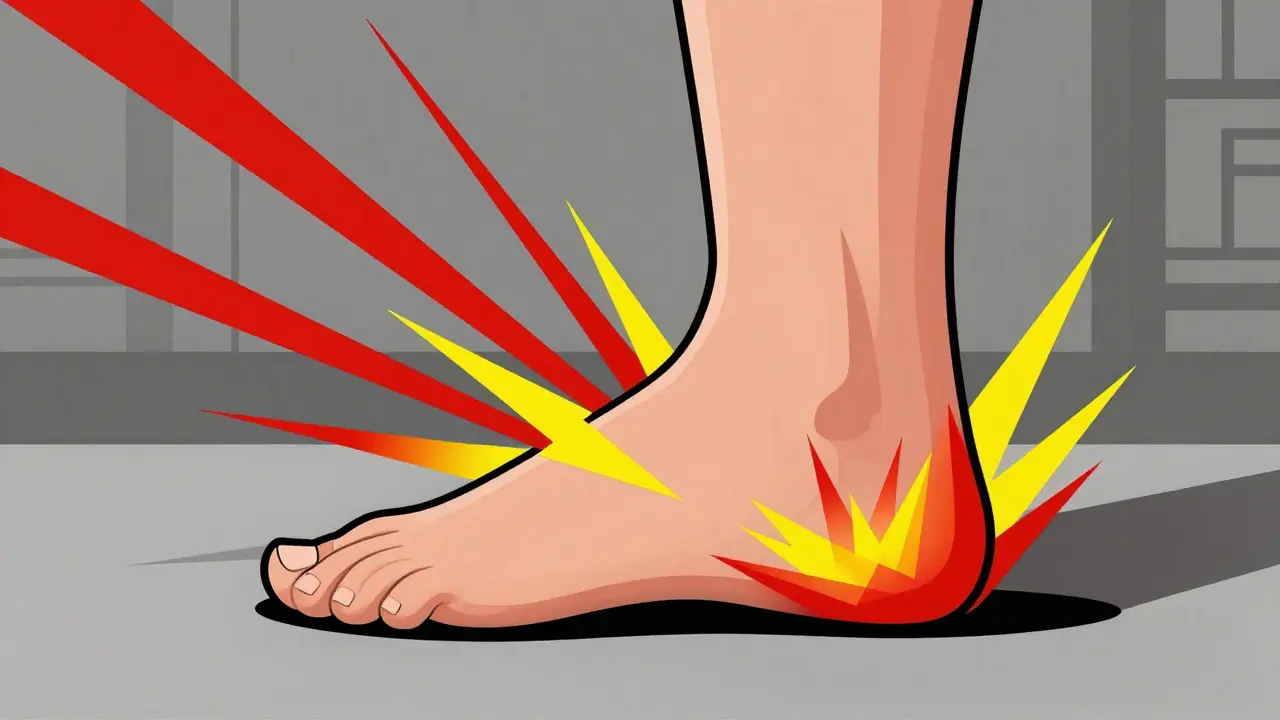
Imagine waking up with a feeling like electric shocks or burning needles in your feet, but when you look at your skin, everything seems normal. For millions of people living with diabetes, this isn't a bad dream-it's daily life. This condition is known as diabetic neuropathy is a type of nerve damage caused by long-term exposure to high blood glucose levels. It's more common than you might think; roughly 60-70% of people with diabetes will deal with some form of it. The real danger isn't just the pain, but the numbness that can hide a small cut or blister, leading to serious infections. While you can't always "cure" damaged nerves, you can absolutely stop the damage from getting worse and get your quality of life back.
The Foundation: Why Blood Sugar is the Only Real Shield
If you're looking for a magic pill to fix neuropathy, I have some tough news: the most effective "medicine" is actually your blood glucose meter. High sugar levels act like a slow-acting poison to your nerves, damaging the tiny blood vessels that feed them. According to the American Diabetes Association, keeping your HbA1c a measure of average blood sugar over three months below 7% is the single most important step you can take. Data from the Diabetes Control and Complications Trial showed that intensive control can slash your risk of developing neuropathy by 60%.
For those already feeling the burn, the Cleveland Clinic notes that improving your blood sugar can actually make symptoms like numbness fade within a year. However, there's a catch: the more severe the damage already is, the harder it is to reverse. This is why staying on top of your fasting glucose (ideally 80-130 mg/dL) and post-meal levels (under 180 mg/dL) isn't just about numbers-it's about protecting your ability to walk and feel your surroundings.
Managing the Pain: Which Medications Actually Work?
Pain from nerve damage doesn't respond to typical painkillers like ibuprofen. In fact, the Cleveland Clinic warns that long-term use of NSAIDs can actually increase cardiovascular risks by 10-20% and potentially harm kidneys-which are already under stress in diabetic patients. Instead, doctors use medications that change how your brain and nerves process pain signals.
There are three main "buckets" of medication used for Painful Diabetic Neuropathy (PDN):
- Anticonvulsants: Pregabalin an FDA-approved medication that calms overactive nerves and gabapentin are common first choices. Pregabalin helps about 30-40% of patients achieve a 50% reduction in pain.
- SNRIs: Duloxetine a serotonin-norepinephrine reuptake inhibitor used to treat chronic pain and depression is another heavy hitter, showing similar success rates to pregabalin.
- Tricyclic Antidepressants: Drugs like amitriptyline are often very effective, but they come with a baggage of side effects-think drowsiness and dry mouth-making them riskier for older adults.
| Medication | Typical Efficacy | Common Pros | Common Cons |
|---|---|---|---|
| Pregabalin | 30-40% response | FDA-approved, fast-acting | Possible weight gain |
| Duloxetine | ~35% response | Helps with mood/depression | Gastrointestinal issues |
| Amitriptyline | High (58-63%) | Very powerful pain relief | Strong sedation, dry mouth |
| Tramadol | Moderate | Strong for refractory pain | Risk of addiction (8-12%) |
Beyond Pills: Topical and High-Tech Solutions
If the thought of another daily pill makes you cringe, or if the side effects are too much, you have other options. Topical treatments are a great way to target pain exactly where it hurts without affecting your whole system. For example, an 8% capsaicin patch can reduce pain in 40% of patients, and 5% lidocaine patches provide a numbing effect for localized hotspots.
For those who have tried everything and still can't sleep, interventional procedures are stepping in. TENS transcutaneous electrical nerve stimulation using low-voltage electrical current units can provide a temporary escape by blocking pain signals. More advanced options include nerve blocks, where a local anesthetic like bupivacaine is injected near the nerve, though this only lasts a few weeks.
One of the most exciting developments is Spinal Cord Stimulation. This involves implanting a small device that sends electrical pulses to the spinal cord. Experts like Dr. Brian Block suggest this doesn't just mask the pain-some patients actually report a return of sensation in areas that were completely numb, which is a massive win for safety and mobility.

The Daily Routine: Protecting Your Nerves and Feet
Medication manages the symptoms, but lifestyle changes stop the progression. A diet rich in whole grains, lean proteins, and vegetables helps lower inflammation and keep those blood sugar spikes in check. I'm talking about swapping processed snacks for nuts or berries and keeping the sugar-heavy drinks out of the house.
Exercise is another critical pillar. While it might feel scary to walk if your feet are tingling, activities like swimming, cycling, or yoga keep the blood flowing to your extremities. Just 30 minutes a day can make a difference. But here is the most practical tip: inspect your feet every single night. Because neuropathy kills your sensation, you could have a pebble in your shoe or a blister from a new pair of socks and not know it until it's an infected ulcer. Use a mirror to check your soles and heels.
What the Future Holds for Nerve Regeneration
For a long time, the medical consensus was that once a nerve is gone, it's gone. But the tide is turning. Researchers are currently looking into Nav 1.7 antagonists and N-type calcium channel blockers that could block pain at the source more effectively than current drugs. There is also work being done with NGF (Nerve Growth Factor) antibodies.
The American Diabetes Association projects that within the next 5 to 10 years, we may see disease-modifying therapies. We're moving toward a world where we don't just manage the pain of neuropathy but actually reverse the damage. Until then, the combination of tight glucose control, a tailored medication plan, and aggressive foot care remains your best defense.
Can diabetic neuropathy be reversed?
While severe, long-term nerve damage is often permanent, mild to moderate symptoms can fade if you achieve and maintain target blood sugar levels. Many patients see improvement within one year of strict glycemic control. New research into neuroregeneration suggests that true reversal of advanced damage may be possible in the coming decade.
Why do my feet burn more at night?
This is common in peripheral neuropathy. When you lie down, the lack of competing sensory input from walking and moving makes the abnormal pain signals from your damaged nerves more noticeable to your brain. Additionally, changes in blood flow and temperature during sleep can trigger these sensations.
Are there natural ways to reduce nerve pain?
The most effective "natural" approach is strict blood sugar management and a diet low in processed sugars. Regular exercise, such as walking or swimming, improves circulation to the nerves. Some people find relief through mindfulness, meditation, and deep breathing to manage the psychological stress of chronic pain.
Is Pregabalin better than Gabapentin?
Pregabalin is often preferred because it has a more predictable absorption rate and is specifically FDA-approved for diabetic peripheral neuropathy. While both are anticonvulsants that calm nerves, Pregabalin may work faster for some patients, though the choice depends on individual side effects like weight gain or dizziness.
When should I see a specialist for my neuropathy?
You should see a neurologist or a podiatrist immediately if you notice any sores or ulcers on your feet that won't heal, if the pain prevents you from sleeping, or if you experience sudden muscle weakness in your legs. Early intervention can prevent amputations and significantly reduce pain levels.