Imagine waking up and feeling like your upper eyelid is acting like a heavy curtain, blocking your view of the world. Or perhaps you feel a constant, irritating scratch in your eye, as if a tiny piece of sand is stuck there, but no matter how much you blink, it doesn't go away. These aren't just annoying quirks of aging; they are often signs of structural eyelid issues that can actually threaten your sight if left alone. Whether it's a droopy lid or eyelashes rubbing against the cornea, these conditions are more common than you'd think-especially as we get older-but the good news is that modern medicine has very effective ways to fix them.
The Heavy Lid: What Exactly is Ptosis?
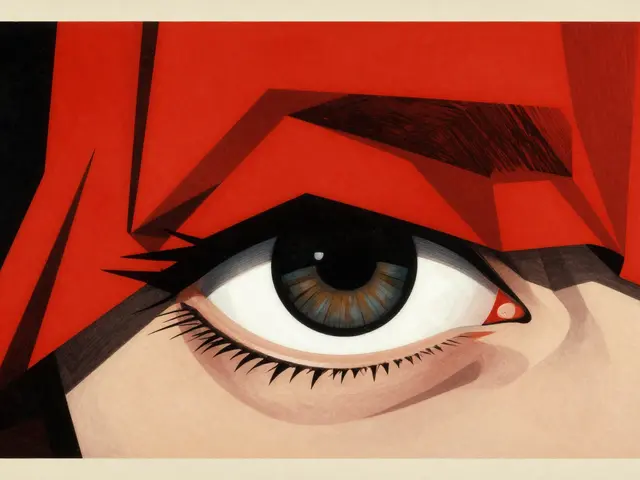
When people talk about "droopy eyes," they are usually describing Ptosis is a condition where the upper eyelid sags downward, potentially covering a portion of the pupil . This isn't just a cosmetic issue; when the lid drops low enough, it physically blocks your vision, forcing you to tilt your head back just to see straight ahead. This often leads to chronic neck pain and significant eye strain.
Ptosis can happen for a few different reasons. For many, it's a natural part of getting older. The muscles and tendons that lift the lid simply stretch out over time. In other cases, it might be congenital-meaning you're born with it-or the result of nerve damage or long-term contact lens wear, which can actually stretch the eyelid tissue. Doctors measure this using the margin reflex distance (MRD). A normal measurement is around 4-5mm. If that distance drops to 1-2mm, it's considered mild; once it hits over 3mm of droop, it's classified as severe.
When the Lid Turns Inward: The Danger of Entropion
While ptosis is about height, Entropion is about direction. Entropion occurs when the eyelid margin folds inward, causing the eyelashes to rub directly against the surface of the eye. While it most commonly hits the lower lid, the result is the same: constant irritation and a high risk of corneal ulcers.
Think of your eyelashes as a protective fence. In entropion, that fence is leaning inward, scratching the very thing it's supposed to protect. This creates a vicious cycle of redness, mucus discharge, and a foreign-body sensation. In some parts of the world, a bacterial infection called Trachoma is a leading cause of this inward turn, though in Western populations, about 80% of cases are "involutional," meaning they're caused by age-related sagging of the eyelid supports.
| Feature | Ptosis | Entropion |
|---|---|---|
| Primary Issue | Eyelid drooping (Vertical position) | Eyelid turning in (Horizontal direction) |
| Main Symptom | Blocked vision, forehead fatigue | Eye irritation, scratching, redness |
| Biggest Risk | Visual impairment, neck strain | Corneal ulceration, permanent sight loss |
| Primary Cause | Muscle weakness/Aging | Tissue laxity/Scarring/Aging |
Surgical Solutions for Drooping Lids
If lifestyle changes or eye drops aren't cutting it, ptosis surgery is the gold standard. The goal is simple: tighten the machinery that lifts the lid. However, the approach depends entirely on how well your eyelid muscle is actually working.
- Levator Resection: This is used for moderate to severe cases where the levator muscle still has decent function. The surgeon essentially "shortens" the muscle to give it more lifting power.
- Frontalis Sling: For severe cases where the lifting muscle is almost non-existent, surgeons use a "sling" to connect the eyelid to the frontalis muscle (the one you use to raise your eyebrows). This allows you to lift your lid by simply raising your brow.
- Müller's Muscle-Conjunctival Resection: This is the go-to for mild ptosis, targeting the smaller helper muscle in the lid.
The success rate for these primary surgeries is impressively high, often between 85% and 95%. Interestingly, since 2018, the introduction of adjustable sutures has allowed doctors to fine-tune the lid height after the surgery, which has cut down the need for second "touch-up" operations by about 25%.

Fixing the Inward Turn: Entropion Repair
Fixing entropion is all about restoring the lid's outward orientation. Because the eyelid is such a delicate piece of skin, the technique chosen depends on whether the issue is caused by old age or scarring (cicatricial entropion).
For most age-related cases, the tarsal fracture procedure is highly effective, boasting a 90-95% success rate. It works by essentially "resetting" the structure of the lid. For those who need a quicker, temporary fix, the Quickert suture technique can be used, though it's less permanent. If the entropion is caused by scarring-perhaps from a chemical burn or chronic skin condition-a tarsal wedge resection is usually required to remove the restrictive tissue and allow the lid to sit flat again.
Other Eyelid Complications to Watch For
It's rare for these disorders to exist in a vacuum. Often, they come with friends. Blepharitis is a frequent companion, where the oil glands at the base of the lashes get clogged, causing the lids to become thick and crusty. This inflammation can actually make ptosis or entropion feel worse.
Then there is Dermatochalasis, which is different from ptosis. While ptosis is a muscle failure, dermatochalasis is just excess skin. It's like having a heavy curtain of skin hanging over your eye. While both can block vision, they are treated differently; one requires muscle tightening, the other requires a skin trim (blepharoplasty).
We also see Trichiasis, which happens when eyelashes grow backward into the eye due to damaged follicles. This is often a result of chronic blepharitis and can be treated via electrolysis or laser ablation if surgery isn't an option.

What to Expect During Recovery
Recovery varies depending on the procedure. In the past, entropion recovery could take over a month, but newer minimally invasive techniques using absorbable sutures have dropped that window to just one or two weeks. For ptosis, you can expect some bruising and swelling. It's also common to experience a temporary bout of dry eye-about 10-20% of patients notice this-because the new lid position changes how the eye lubricates.
There are a few risks to keep in mind. About 5-10% of ptosis patients deal with "overcorrection," where the lid is pulled slightly too high. Similarly, entropion can sometimes recur in 5-15% of cases. This is why choosing a board-certified oculoplastic surgeon is critical; the difference of a millimeter in suture placement can be the difference between a perfect look and a visible asymmetry.
When Should You See a Doctor?
Most eyelid changes happen slowly, but some are red flags. If you notice a rapid onset of drooping-especially if it happens in just a few days-you need medical attention immediately. This could be a sign of a neurological issue rather than simple aging. Additionally, if you see a corneal abrasion (a scratch on the clear part of your eye) or if your eye is constantly red and producing mucus, don't wait. These are signs that entropion is damaging your cornea, and the risk of permanent sight loss is too high to ignore.
Can ptosis be fixed without surgery?
Generally, no. Because ptosis is caused by the physical stretching or weakness of the levator muscle or the skin, there are no creams or exercises that can "lift" the lid back up. While some temporary measures like taping the lid can provide minor relief, surgical repair is the only way to restore the eyelid's function and position.
Is entropion the same as ectropion?
No, they are opposites. Entropion is when the eyelid turns inward (toward the eye), while ectropion is when the eyelid sags or turns outward (away from the eye). While both are malpositions, entropion is generally more dangerous because it causes the lashes to scratch the cornea, whereas ectropion primarily causes dryness and exposure.
How long does the recovery take for eyelid surgery?
Recovery depends on the surgery. For modern, minimally invasive entropion repairs, you might be back to normal in 1 to 2 weeks. For more complex ptosis surgeries, like a frontalis sling, it may take longer for the swelling to fully subside and for the final position of the lid to settle, often taking several weeks.
Will insurance cover these procedures?
It depends on whether the procedure is deemed "cosmetic" or "medically necessary." If the drooping eyelid is physically blocking your field of vision or if entropion is causing corneal ulcers and threatening your sight, insurance is much more likely to cover the surgery. Always provide a visual field test to your insurer to prove the functional impairment.
What are the risks of eyelid surgery?
The most common risks include asymmetry (one eye looking slightly different than the other), overcorrection or undercorrection of the lid height, and temporary dry eye symptoms. Infection and scarring are rare but possible, occurring in about 1-5% of cases depending on the technique used.
Next Steps and Troubleshooting
If you suspect you have one of these conditions, your first stop should be an optometrist or ophthalmologist. They can perform a simple phenylephrine test (using drops to see how the muscle responds) or measure your MRD to determine the severity. If you are currently dealing with the irritation of entropion but can't get to surgery immediately, try using lubricating eye drops and warm compresses to manage any associated blepharitis.
For those recovering from surgery, keep a close eye on the symmetry of your lids. If you feel the lid is too high or too low, mention it at your first follow-up; with newer adjustable sutures, many of these issues can be tweaked in the office without needing another full operation.