Chemotherapy Regimens: What They Are, How They Work, and What to Expect
When doctors talk about chemotherapy regimens, structured treatment plans using specific combinations of anticancer drugs given in cycles. Also known as chemo protocols, these are not one-size-fits-all—they’re carefully built based on cancer type, stage, genetics, and overall health. A regimen isn’t just a list of drugs; it’s a schedule. When to give them, how much, how often, and for how long all matter. Some regimens use three or four drugs together because cancer cells can escape single-drug attacks. Others start strong and taper off. The goal? Kill as many cancer cells as possible while giving your body time to recover between doses.
These regimens are built on decades of clinical trials. For example, FOLFOX, a common regimen for colorectal cancer that combines fluorouracil, leucovorin, and oxaliplatin, is different from ABVD, used for Hodgkin lymphoma and made of doxorubicin, bleomycin, vinblastine, and dacarbazine. Even within the same cancer type, one patient might get a regimen with carboplatin while another gets cisplatin—because their kidneys, age, or prior treatments change what’s safe. Side effects like nausea, hair loss, or low blood counts aren’t random—they’re built into the design. That’s why some regimens include anti-nausea drugs upfront, or growth factors to boost white blood cells.
What you won’t find in a regimen name is the full story. Behind every chemo cycle is a patient’s daily reality: managing fatigue, adjusting meals to handle taste changes, or worrying about infection when white blood cells dip. Some regimens are given in a clinic over a few hours. Others require a pump at home for days. Some are given every week. Others every three weeks. The schedule isn’t arbitrary—it’s based on how fast the drugs work and how long your body needs to heal. And while newer treatments like immunotherapy are changing cancer care, chemo regimens are still the backbone for many cancers, especially when speed and power matter most.
You’ll find real-world advice here on how to prepare for these treatments, what side effects to track, and how to talk to your care team when something doesn’t feel right. Whether you’re just starting out or you’ve been through a few cycles, the posts below cover what actually happens—not just the textbook version. From managing chemo-induced nerve pain to understanding why your doctor switched your drug schedule, this collection gives you the practical details you won’t get in a brochure.

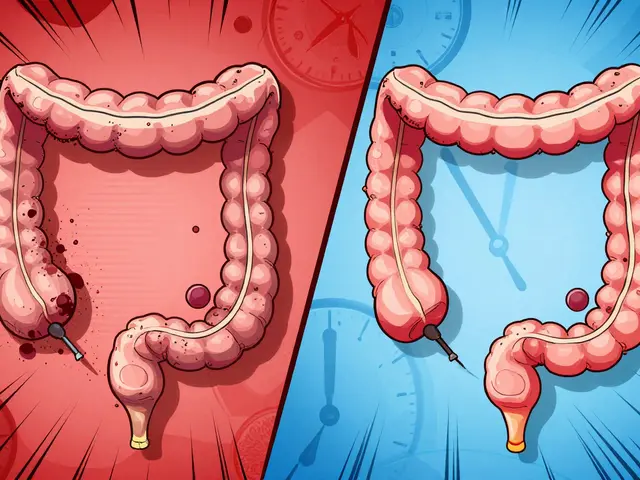
Colorectal Cancer Screening and Chemotherapy: What You Need to Know at 45 and Beyond
Colorectal cancer is preventable with early screening. Starting at age 45, colonoscopy can detect and remove precancerous polyps. If cancer is found, modern chemotherapy regimens like FOLFOX and CAPOX significantly improve survival. Screening saves lives-don’t wait for symptoms.
read more