
Topical Steroid Dosage & Safety Checker
Dosage Assistant (Fingertip Unit)
Based on the "1 Fingertip Unit (FTU) = 2 Adult Palms" rule.
A line of cream squeezed from the tip of your index finger to the first knuckle.
Potency Safety Check
Ensure you aren't using too strong of a steroid for sensitive skin.
Key Takeaways
- Potency matters: Steroids range from Class I (superpotent) to Class VII (least potent).
- Safety first: Using the right strength on the right body part reduces side effects by nearly 60%.
- Timing counts: Don’t use strong steroids on thin skin areas like the face or groin.
- Dosing rules: One "fingertip unit" covers two adult palm-sized areas.
- System differences: The US uses seven classes while the UK uses four categories.
If you have ever stared at a prescription tube labeled “corticosteroid” and wondered exactly what that means, you aren’t alone. Many people get confused by the varying strengths and risk hurting their skin instead of healing it. Here is the hard truth: improper use of these creams can lead to serious skin damage. However, understanding a simple potency chart changes the game completely. It turns guesswork into a precise medical strategy. You don’t need a medical degree to read it, but you do need to know which numbers matter most.
At the core of this discussion is Topical Corticosteroids. These are medications applied directly to the skin to reduce inflammation and itching. They work by mimicking natural hormones your body produces, specifically cortisol, which calms immune responses in the tissue. While effective, they carry risks like skin thinning or absorption issues if misused. That is why doctors rely on standardized systems to classify them.
Understanding the Potency Ladder
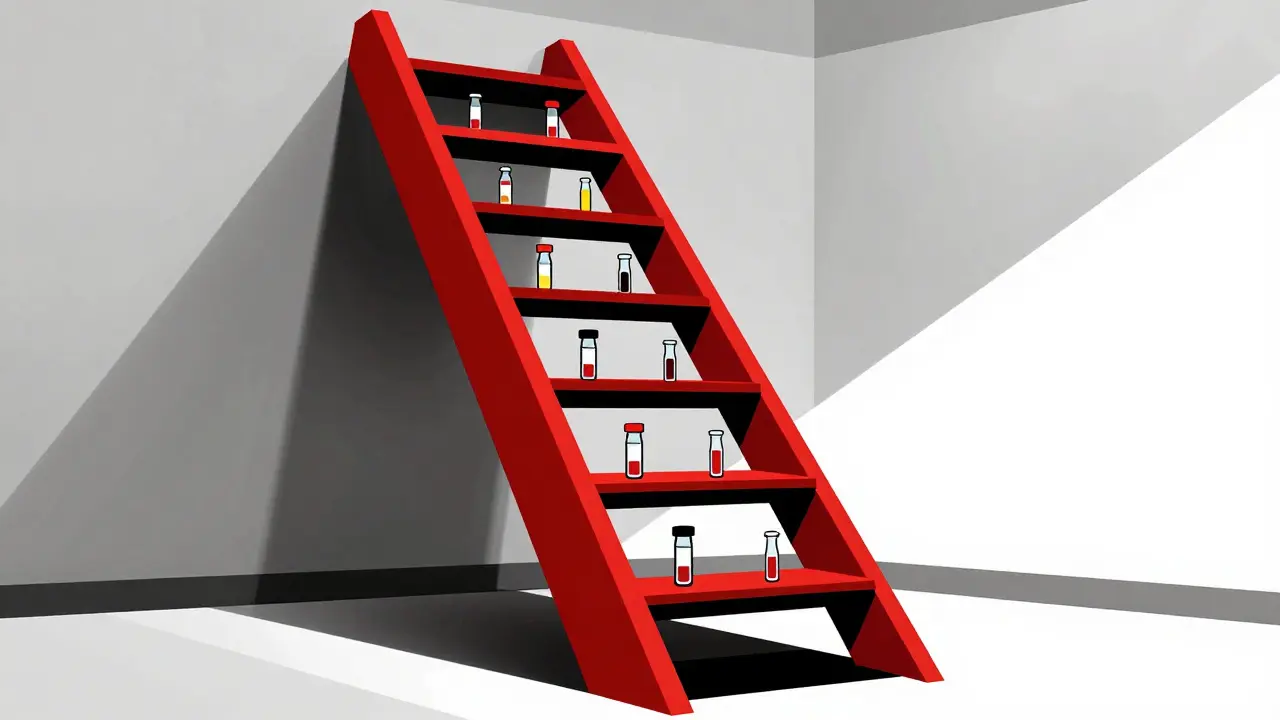
You need to visualize this system like a ladder. The bottom rung represents mild creams that won’t hurt even sensitive skin. The top rung holds superpower drugs reserved for thick patches of plaque. In the United States, the Food and Drug Administration established a seven-class system back in 1997. This became the gold standard for clarity. Let’s break down what each level actually does.
| Class | Potency Level | Common Examples | Typical Use Case |
|---|---|---|---|
| I | Superpotent | Clobetasol Propionate (Temovate) | Severe Psoriasis |
| IV | High | Betamethasone Dipropionate (Diprosone) | Thick Eczema Patches |
| VII | Least Potent | Hydrocortisone 1% | Facial Irritation, Mild Rashes |
Notice how Class I includes drugs like Clobetasol Propionate a high-strength compound often used for resistant skin conditions.. These are heavy artillery. You wouldn’t use a tank to swat a fly. Conversely, Class VII contains familiar options like hydrocortisone found in drugstores. These are safe for almost anyone but won’t clear up stubborn thick lesions on elbows or knees.
Regional Differences in Charts
Not every country uses the same map. If you travel to the United Kingdom, you might see a different set of labels. The National Eczema Society there developed a four-category system around 2005. It groups everything into mild, moderate, potent, and very potent. This simplifies things for patients, but some experts argue it lacks precision for complex cases. For example, two different "moderate" creams might behave differently depending on whether they are gels or ointments.
A study published in Dermatologic Therapy showed that the US seven-class system reduced medication errors by 18% in hospital settings. However, it also increased hesitation among general practitioners because there were too many choices to remember. In contrast, the UK model made primary care providers feel more confident prescribing. Both approaches aim for the same goal: balancing cure speed with safety margins. You should focus on what your doctor prescribes rather than trying to compare countries.
Minimizing Side Effects Safely
The biggest risk with these treatments isn’t the medicine itself; it’s how long you leave it on. Continuous use of ultra-high potency steroids beyond three weeks can suppress your adrenal function. This is a condition known as HPA axis suppression. According to Dr. Lawrence Eichenfield, pediatric patients are especially vulnerable due to their higher surface-area-to-body-weight ratio. Children absorb medication through their skin much faster than adults do.
To stay safe, follow these specific steps:
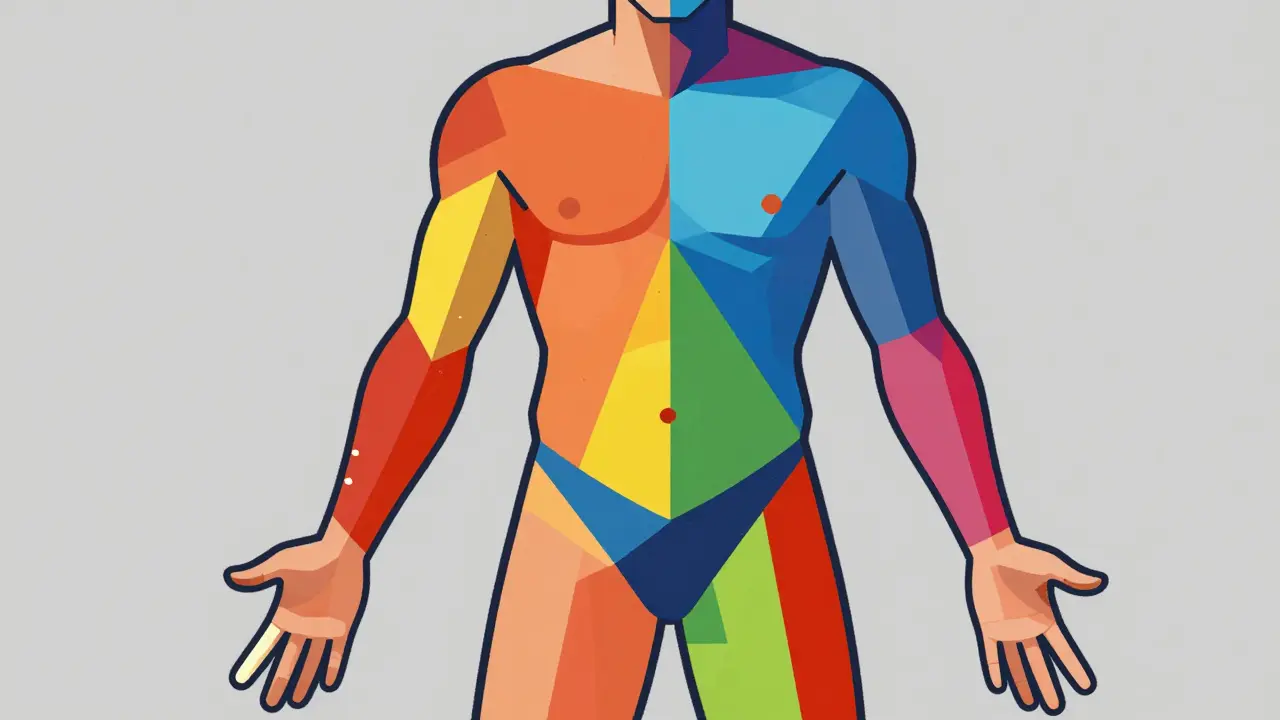
- Check the site: Avoid strong steroids on the face, genitals, or underarms. These areas absorb chemicals much quicker than forearms or backs.
- Limit duration: Stop using strong versions after 2 to 4 weeks unless told otherwise. Switch to milder options for maintenance.
- Use proper amounts: Apply a thin layer. Most studies suggest using the “fingertip unit” method.
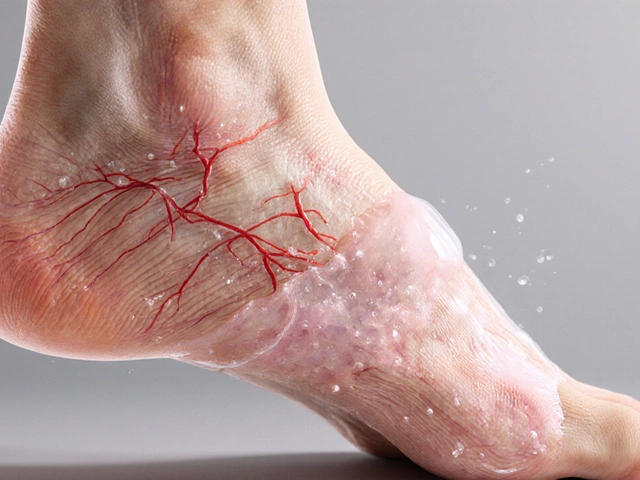
- Monitor for thinning: Watch for stretch marks or visible blood vessels. These signs mean you need to taper off immediately.
The Fingertip Unit Method
How much cream do you actually need? Over-application is one of the most common mistakes. A survey found that 35% of patients use double or triple the recommended amount. This increases the cost and the risk without helping the healing process. Doctors recommend the “FTU” measurement. Squeeze enough cream from the tip of your index finger to the first knuckle. That single line covers an area equal to two adult palms spread out flat.
This simple trick prevents waste and overdose. If you have a rash on both legs, you need roughly ten to fifteen units total for a full body application. Measuring ensures you get therapeutic coverage without flooding the pores. Remember, ointments generally penetrate 15-20% better than creams, so adjust your frequency accordingly. Ointments seal moisture better, making them stronger but messier to apply.
When Charts Fail to Help
Charts are great guides, but human bodies are messy. Sometimes standard guidelines underestimate how your specific skin reacts. For instance, if you have compromised skin barrier function, common in chronic eczema, your body might absorb 40% to 50% more medication than normal. A 2020 study highlighted this gap in patient outcomes. In those cases, a "mild" steroid might act like a "moderate" one simply because the barrier is broken.
Furthermore, newer delivery systems change the math. Foams and gels sometimes deliver active ingredients deeper than old-fashioned oils. Dr. Vincent DeLeo noted that modern formulations can alter traditional classifications. If you have tried multiple creams with no success, discuss your skin type rather than just asking for a stronger label. Individual variation matters more than generic tables in complex scenarios.
Digital Tools and Future Trends
We are moving toward smarter tools. The American Academy of Dermatology released a digital version of their potency tool in 2023. It incorporates AI-driven recommendations based on fifteen specific factors like age and body site. Early trials suggest this cuts medication errors by another 32%. Imagine an app that scans your skin patch and suggests the exact class needed. We are getting closer to that future.
Wearable sensors are also entering the picture. Pilot projects launched in late 2023 aim to monitor water loss through skin barriers in real-time. If your skin is dehydrated, the sensor signals you to stop using steroids. Long-term viability looks promising, but today, your physical chart remains the best reference point. Keep a copy of the FDA approved chart handy in your bathroom cabinet.
What does Class I steroid mean?
Class I indicates superpotency. These are the strongest steroids available, usually prescribed for severe conditions like thick psoriasis plaques. They require strict supervision.
Can I use Class VII on my face?
Yes, Class VII is the safest option for facial skin. It minimizes the risk of thinning while still providing relief for mild irritation.
How long can I use a potent steroid?
Generally, high-potency steroids should be limited to two to four weeks of continuous use to prevent systemic side effects.
Does the brand name matter?
Active ingredient concentration matters more than the brand. Always check the percentage listed on the tube label.
Are ointments safer than creams?
Ointments often increase absorption rates compared to creams. They are more effective but may require lower frequency application.






14 Comments
You probably think you understand skin absorption but you clearly do not know the science behind the barrier function. Most people just slather it on without checking the class number. I see so many patients ruining their face because they ignore potency levels entirely.
This is actually such a great breakdown for regular folks. It feels manageable when you see the ladder system explained like this way. Thanks for sharing this information so openly here today.
We should definitely look out for each other when using these medicines. Sharing knowledge makes the whole community safer and healthier overall. Everyone deserves to feel confident in their treatment plan.
Anyone who uses hydrocortisone for psoriasis clearly has never studied dermatology properly. It is basic knowledge that potent options are required for plaques. Common sense dictates the correct choice here without needing charts.
Let’s just remember that we are all learning together though 😊. There is no shame in asking for help with confusing labels. Kindness goes a long way in health discussions like this one.
OH MY GOD!!! This post is literally saving lives right now!! You absolutely need to read this!!!! The risks are real and severe!!!!
The pharmacokinetics of transdermal delivery systems vary significantly based on vehicle formulation types. Ointments typically increase percutaneous absorption rates compared to aqueous cream bases. You must account for occlusion factors when evaluating systemic exposure risks.
The grammatical structure here is excellent; yet the punctuation choices could be debated! It seems clear that the audience understands the topic well enough! Proper syntax matters for clarity!
I agrue that the UK model might be better for general populus. Teh charts confuse peopel too much sometimes. Simpler guides often lead to better compliance in clinics.
Why does nobody focus on the domestic standards for our own healthcare systems? Foreign protocols are usually inferior to what we have at home locally. This post ignores national safety guidelines completely.
It is imperative to understand the nuanced differences in steroid classification systems thoroughly. One must realize that the seven-class United States framework offers precision. However, the four-category British approach reduces cognitive load for prescribers significantly. Patients often struggle with memorizing too many distinct tiers effectively. Consequently, confusion leads to improper application frequency on sensitive areas. Continuous monitoring of skin texture changes remains critical throughout therapy. Thinning of the epidermis indicates overuse of the medication rapidly. Adrenal suppression poses a severe risk if ignored during treatment periods. Healthcare providers emphasize limiting duration to prevent systemic complications arising. Children require even stricter supervision due to higher absorption rates. Surface area calculations must be accurate to avoid toxicity issues entirely. Educating family members ensures consistent adherence to safety protocols successfully. Digital tools promise future improvements in personalized dosing strategies soon. Wearable sensors may revolutionize how we track moisture loss in real-time. We must remain vigilant about evolving medical technologies in this field. Keeping physical charts accessible serves as a reliable backup option always.
That is a very comprehensive overview of the situation here 👏. Great work detailing the risks and benefits clearly for everyone.
Keep pushing forward with your skin health journey! You got this power to manage your condition safely. Stay positive and stick to the plan.
Total garbage advice overall.