
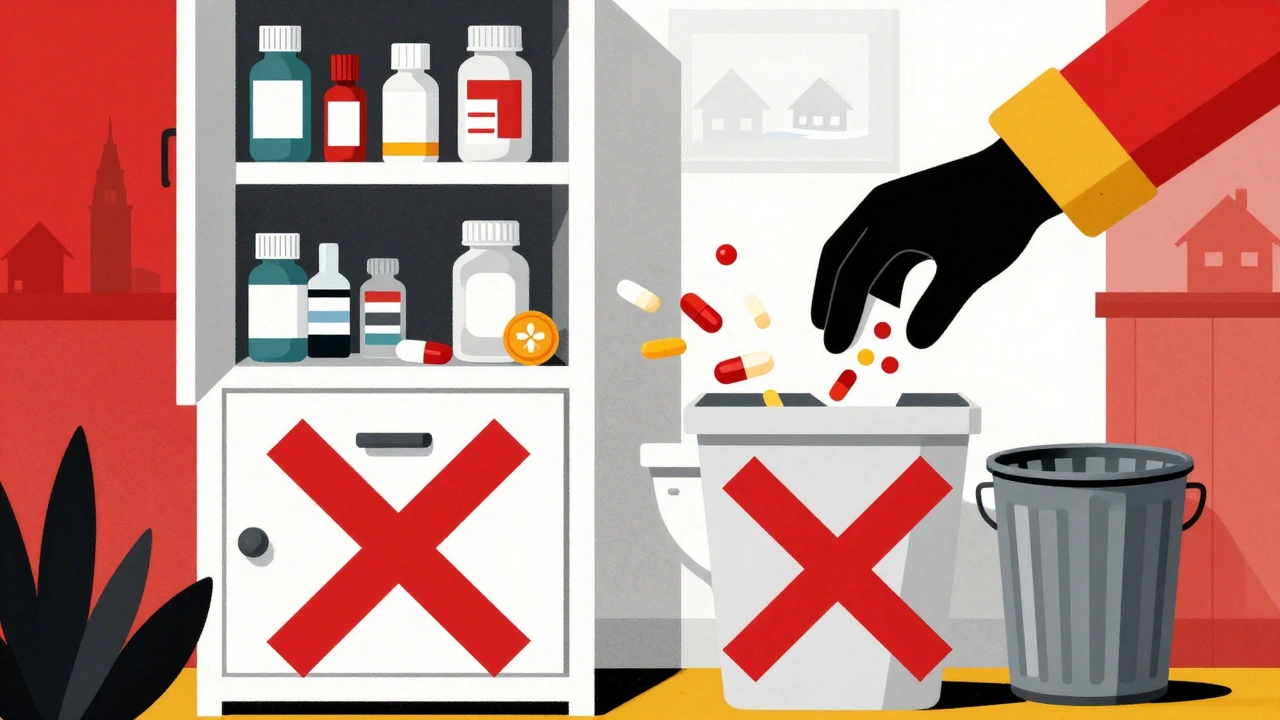
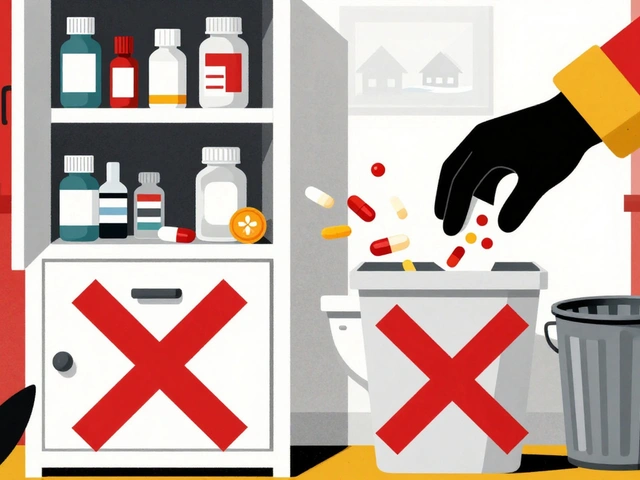
Every year, millions of unused medications sit in bathroom cabinets, kitchen drawers, and medicine chests across the U.S. Some are expired. Others were prescribed for a short-term issue and never finished. A few might even be leftovers from a family member’s treatment. These aren’t just clutter-they’re risks. Improperly stored pills can be grabbed by teens, pets, or visitors. Flushing them down the toilet pollutes waterways. Throwing them in the trash invites misuse or accidental poisoning. The safest, cleanest way to get rid of them? Take-back events.
Why Take-Back Events Matter
In 2022, 18.4 million Americans misused prescription drugs. Most of those pills didn’t come from dealers. They came from home medicine cabinets. The DEA found that 70% of people who misused painkillers got them from friends or family. That’s not a coincidence. It’s a consequence of poor disposal habits. Take-back events solve this. Authorized sites-like pharmacies, hospitals, and police stations-collect unused medications and destroy them safely through high-temperature incineration. In 2024 alone, Stericycle, one of the largest disposal contractors, incinerated nearly 30,000 tons of pharmaceutical waste. That’s not just trash being burned. It’s preventing opioids from ending up in the hands of someone who shouldn’t have them. It’s keeping chemicals like acetaminophen, antibiotics, and antidepressants out of rivers and drinking water. The U.S. Geological Survey found pharmaceuticals in 80% of U.S. streams. Take-back events stop that.What You Can and Can’t Bring
Not everything goes in the take-back bin. Knowing what’s allowed saves you time and avoids rejection at the drop-off site.- Accepted: Prescription pills, tablets, capsules, liquid medications in original containers, patches (like fentanyl or nicotine), ointments, vitamins, over-the-counter meds (ibuprofen, allergy pills), pet medications, and inhalers (except aerosol types).
- Not accepted: Aerosol cans (asthma inhalers with propellant), hydrogen peroxide, thermometers (especially mercury ones), needles or sharps (use a sharps container instead), illicit drugs, and iodine-based medications like Betadine.
Step-by-Step: How to Prepare Your Medications
The process is simple. Do these three things, and you’ll be cleared for drop-off at 95% of locations.- Remove personal information. Use a permanent marker to black out your name, address, prescription number, and dosage on the bottle. Don’t just peel off the label-ink can sometimes be recovered. Scribble over it thickly. This isn’t optional. It’s required by HIPAA. Leaving your name visible risks privacy breaches and could even lead to identity theft.
- Keep meds in original containers. Over 92% of collection sites require this. The label tells staff what the drug is, which helps them sort and destroy it properly. If the bottle is broken or missing, put the pills in a small, sealed plastic container or zip-top bag. But original containers are always preferred.
- Don’t mix medications. Keep each type of pill or liquid separate. Don’t dump all your meds into one bag. Even if the site accepts mixed meds, staff still need to identify each one for safe handling. If you have insulin pens or transdermal patches, fold the patch adhesive-side-in and keep insulin pens in their original packaging.
What If You Don’t Have the Original Bottle?
Life happens. You might have moved. Lost the bottle. Or the prescription was filled years ago. You still have options. If you can’t find the original container, transfer the medication to a small, clear plastic bottle (like a baby food jar) or a zip-lock bag. Make sure it’s sealed tight. Write the name of the medication clearly on the outside with a permanent marker-like “Metformin 500mg” or “Lisinopril 10mg.” Don’t write your name on it. Just the drug name. This helps staff identify it without compromising your privacy. Liquid medications are trickier. If they’re in a pharmacy bottle, leave them as-is. If they’re in a dropper bottle or small vial, put them in a sealed plastic container with a lid. Don’t pour them into a larger bottle. Liquids can leak, spill, or mix with other substances during transport. The goal is to keep them contained and identifiable.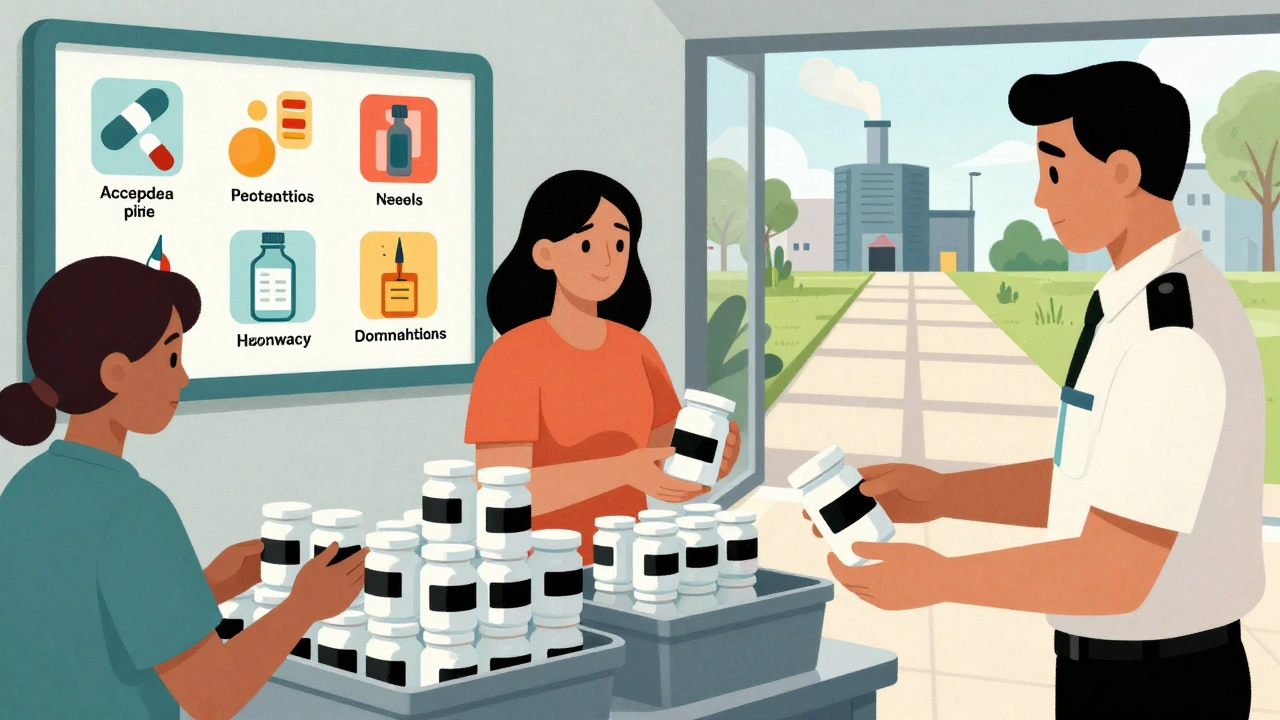
Regional Differences You Should Know
Rules aren’t the same everywhere. That’s confusing, but you can navigate it. In California, you must return everything in the original pharmacy container. No exceptions. In Washington State, you can use a sealed bag if the original is gone. Walgreens kiosks in most states accept meds in any sealed container as long as your name is removed. But a small rural clinic in Montana might still require the original bottle. The DEA’s “Every Day is Take Back Day” initiative, launched in January 2024, aimed to standardize rules nationwide. But full consistency hasn’t arrived yet. The best practice? Always check the site’s guidelines before you go. Most pharmacies list them on their website under “Drug Disposal” or “Take-Back Program.”Common Mistakes That Get You Turned Away
Even when you think you’ve done everything right, you might still get rejected. Here’s why:- Not covering your name well enough. 41% of rejected submissions fail this step. A light scribble isn’t enough. Black out every letter, number, and barcode.
- Bringing liquids in unsealed containers. 29% of rejections are due to leaking or open liquids. Seal them. Double-bag if needed.
- Bringing sharps or inhalers. Needles, syringes, and aerosol inhalers require special handling. Don’t bring them to a pill take-back. Use a sharps disposal program or pharmacy drop-off for inhalers.
- Trying to drop off expired or unused insulin pens. These are accepted at hospitals and VA centers, but only 32% of retail pharmacies take them. Call ahead.
What Happens After You Drop Them Off?
Once you hand over your meds, they’re not going to a landfill. They’re not being flushed. They’re not being recycled. They’re being incinerated at high temperatures in specialized facilities. This process destroys the chemical structure of the drugs, leaving no trace in the environment. The DEA and FDA require this method because it’s the only one that guarantees complete destruction. Landfill disposal risks leaching into groundwater. Flushing contaminates rivers. Incineration doesn’t. And it works. In 2024, over 16,500 authorized collection sites across the country collected millions of pounds of unwanted medication. That’s the equivalent of emptying 18 million medicine cabinets. But only 15% of unused meds are properly disposed of. The rest? Still sitting in homes.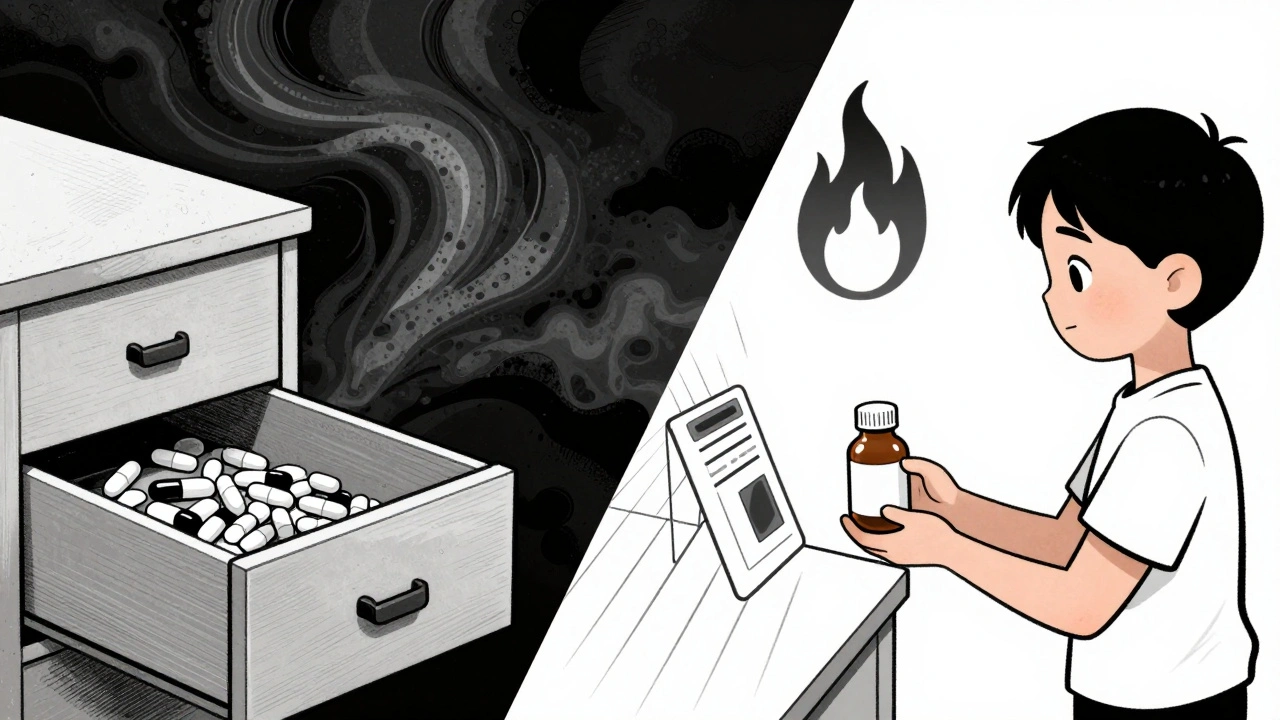
Why This Matters More Than You Think
This isn’t just about cleaning out your cabinet. It’s about protecting your community. A child finds an old painkiller in a drawer. A teenager tries a grandparent’s anxiety pill. A neighbor steals pills from a trash can. These aren’t hypotheticals. They happen every day. And the environment? Pharmaceuticals in water are linked to hormonal changes in fish, antibiotic resistance in bacteria, and long-term ecological damage. The EPA estimates that if 50% of unused meds were properly disposed of, we could keep 6.4 million pounds of drugs out of waterways every year. Taking a few minutes to prepare your meds for a take-back event is one of the easiest, most powerful things you can do for public safety and environmental health.Where to Find a Take-Back Site
You don’t need to wait for an annual event. Most locations now offer permanent drop-off bins.- Use the DEA’s Drug Take-Back Locator (search by ZIP code)
- Check Walgreens, CVS, or Rite Aid-most have kiosks inside
- Call your local police station or hospital
- Look for drop-off boxes at VA medical centers, military bases, or community health clinics
Final Tip: Make It a Habit
Don’t wait until you have a pile of expired meds. Every time a prescription runs out-whether it’s a month’s supply or a week’s-ask yourself: “Do I still need this?” If not, set it aside. Put it in a small box or drawer labeled “Take-Back.” When the box is full, drop it off. Make it part of your routine, like recycling or changing smoke detector batteries. It’s simple. It’s safe. It’s necessary. And it only takes five minutes.Can I throw unused pills in the trash?
You can, but it’s not safe. Pills in the trash can be found by children, pets, or people looking for drugs. If you must dispose of them this way, mix them with an unappealing substance like coffee grounds or cat litter, seal them in a container, and throw them away. But take-back events are always the better choice-they’re safer, cleaner, and prevent environmental harm.
Do I need to remove pills from blister packs?
No. Leave pills in their blister packs. Just make sure the container they’re in has your personal info removed. Blister packs are fine for drop-off as long as they’re sealed and labeled. Staff can still identify the medication from the packaging.
Can I drop off expired vitamins and supplements?
Yes. Vitamins, minerals, and herbal supplements are accepted at nearly all take-back sites. They’re considered non-controlled substances but still need safe disposal to prevent environmental contamination and accidental overdose.
What about liquid medications like cough syrup?
Keep liquid medications in their original pharmacy bottles if possible. If the bottle is broken, transfer the liquid to a sealed plastic container or zip-top bag. Don’t pour it into another bottle. Seal it well to prevent leaks. Most sites accept liquids as long as they’re contained and your name is removed.
Are there fees for using take-back events?
No. All DEA-authorized take-back events and permanent collection sites are free. There are no charges for dropping off medications. If someone asks for money, it’s not an official site. Report it to the DEA or your local health department.
What if I have a lot of medications to dispose of?
Bring them all. There’s no limit on how much you can drop off. If you have a large quantity, consider calling the site ahead of time to confirm they can handle it. Hospitals and VA centers are often best for large volumes. Some pharmacies will even give you a box or bag to help transport your meds.
Can I drop off pet medications?
Yes. Pet medications-including antibiotics, heartworm pills, and flea treatments-are accepted at all authorized take-back sites. Just make sure the container has your personal info removed. The medication itself doesn’t matter-it’s the drug that needs safe disposal, not whether it was for a human or animal.
Is it okay to flush medications?
Only if the label specifically says to. The FDA maintains a short list of medications that can be flushed because they’re highly dangerous if misused-like fentanyl patches or certain opioids. For everything else, flushing is harmful. It pollutes water supplies and harms aquatic life. Always choose a take-back event instead.

19 Comments