
Antidepressants in Teens: What Parents and Doctors Need to Know
When antidepressants in teens, medications used to treat clinical depression in adolescents. Also known as pediatric psychopharmacology, these drugs are prescribed when therapy alone isn’t enough to help a teenager struggling with persistent sadness, loss of interest, or suicidal thoughts. It’s not a quick fix. These aren’t party pills or mood enhancers—they’re serious tools that affect brain chemistry, and their use in young people requires careful monitoring.
The most common antidepressants given to teens are SSRIs, selective serotonin reuptake inhibitors like fluoxetine and sertraline. These are preferred because they’re better studied in adolescents and have fewer dangerous side effects than older types. But even SSRIs aren’t risk-free. The FDA warns that they may increase suicidal thinking in some teens during the first few weeks of treatment—especially before the mood starts to lift. That’s why doctors don’t just write a prescription and walk away. They schedule follow-ups, ask direct questions about thoughts of self-harm, and often pair medication with therapy. Parents need to know: if your teen starts talking about dying, withdrawing more than usual, or acting agitated after starting a new pill, call the doctor immediately.
Not every teen with sadness needs medication. Many respond to talk therapy, better sleep, regular exercise, or school support. But for those with severe depression—those who’ve lost weight, skipped school for months, or tried to hurt themselves—antidepressants can be life-saving. The key is matching the right drug to the right person. Fluoxetine is the only SSRI approved by the FDA specifically for teen depression. Others are used off-label, meaning they’re legal but not officially cleared for that age group. And it’s not one-size-fits-all. What works for one 16-year-old might make another feel worse. That’s why doctors start low and go slow, watching for side effects like nausea, insomnia, or emotional numbness.
There’s also the question of long-term use. Some teens take these meds for a few months. Others need them for years. Stopping suddenly can cause withdrawal symptoms—dizziness, headaches, irritability. That’s why tapering off under medical supervision matters. And while some parents worry about addiction, antidepressants aren’t addictive like opioids or benzodiazepines. But they do change how the brain works, and that change needs respect.
What you’ll find below are real, practical posts that cut through the noise. You’ll see how doctors decide which antidepressant to pick, what side effects to watch for, how to talk to your teen about taking pills, and why some teens get worse before they get better. These aren’t theory pieces. They’re based on what’s happening in clinics, what families are reporting, and what the latest data shows. If you’re a parent wondering if medication is the right move, or a teen trying to understand what’s happening to your body, this collection gives you the straight facts—no fluff, no fearmongering, just what you need to know.
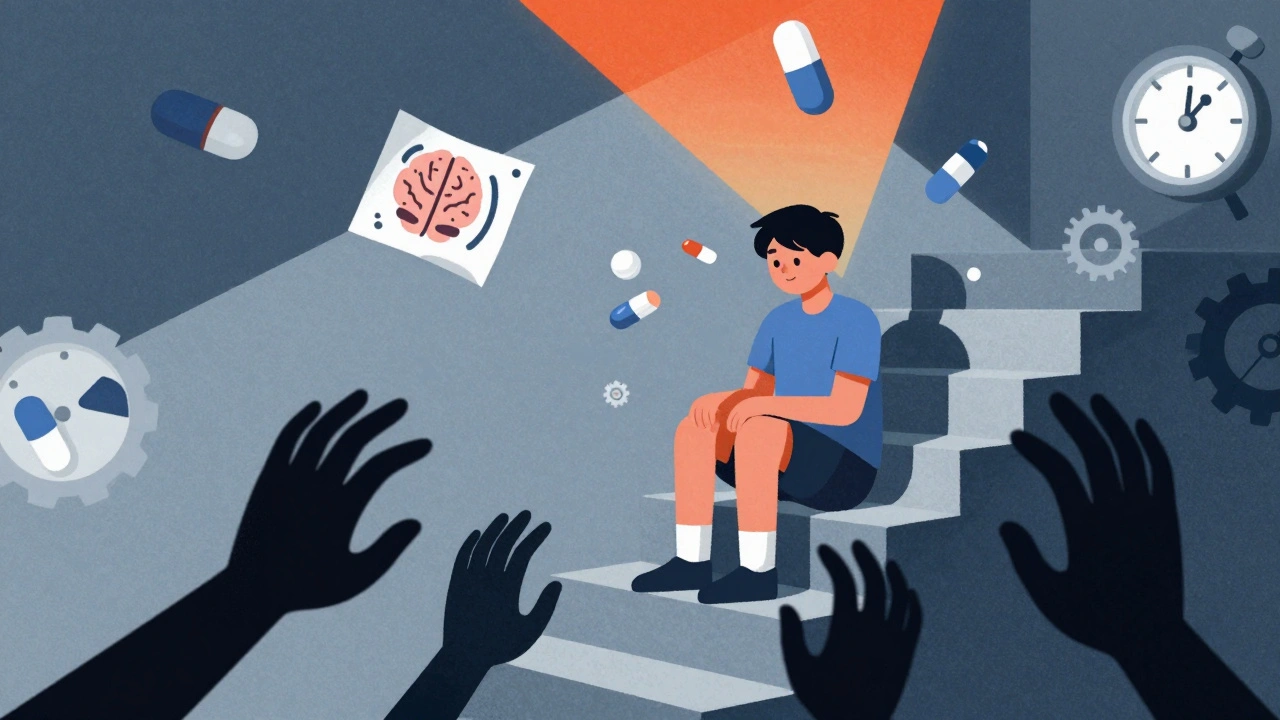
Adolescents and Psychiatric Medications: How to Monitor for Suicidal Ideation
Adolescents on psychiatric medications need close monitoring for suicidal ideation, especially in the first weeks of treatment. Learn the warning signs, best practices, and how families and providers can work together to keep teens safe.
read more