
Gestational Diabetes: What You Need to Know About Risks, Management, and Medication Safety
When you’re pregnant, your body changes in ways you can’t always predict—and one of the most common is gestational diabetes, a type of diabetes that develops during pregnancy when the body can’t make enough insulin to handle rising blood sugar levels. Also known as pregnancy diabetes, it affects about 6 to 9% of pregnancies in the U.S. and usually goes away after birth—but not before it can impact both you and your baby’s health. Unlike type 1 or type 2 diabetes, gestational diabetes isn’t caused by lifestyle alone. Hormones from the placenta block insulin’s effect, making your cells less responsive. That forces your pancreas to work harder, and if it can’t keep up, sugar builds up in your blood.
This isn’t just about sugar levels. High blood sugar during pregnancy can lead to bigger babies, which increases the chance of C-sections, birth injuries, and newborn low blood sugar. It also raises your risk of developing type 2 diabetes later in life. That’s why managing it isn’t optional—it’s essential. The good news? Most cases can be controlled with diet, movement, and, when needed, safe medications like insulin or metformin. You won’t find many posts here about miracle cures or quick fixes. Instead, you’ll see real, practical advice on how to balance blood sugar without risking your baby’s health—like how insulin in pregnancy, a standard treatment when diet isn’t enough works differently than oral meds, or why some diabetes drugs are avoided entirely during pregnancy.
Some of the posts below tackle related concerns you might not connect to gestational diabetes at first glance. For example, TZD weight gain and edema, side effects from certain diabetes drugs matter because those drugs aren’t used in pregnancy—so knowing why helps you understand what’s safe. Others show how sulfonylureas, a class of oral diabetes medications can increase hypoglycemia risk, which is especially dangerous when you’re pregnant. And if you’ve ever wondered why your doctor won’t prescribe certain pills during pregnancy, the post on brand-name only prescriptions, when generics aren’t interchangeable explains how safety margins for unborn babies are stricter than you think.
There’s no one-size-fits-all fix for gestational diabetes. What works for one person might not work for another. But what you’ll find here isn’t guesswork—it’s evidence-based, real-world guidance from posts that focus on what actually helps: monitoring, diet tweaks, safe medication choices, and avoiding common mistakes. You’ll learn how to spot warning signs, what to ask your doctor, and how to stay in control without feeling overwhelmed. This isn’t just about surviving pregnancy—it’s about setting yourself up for long-term health after your baby is born.
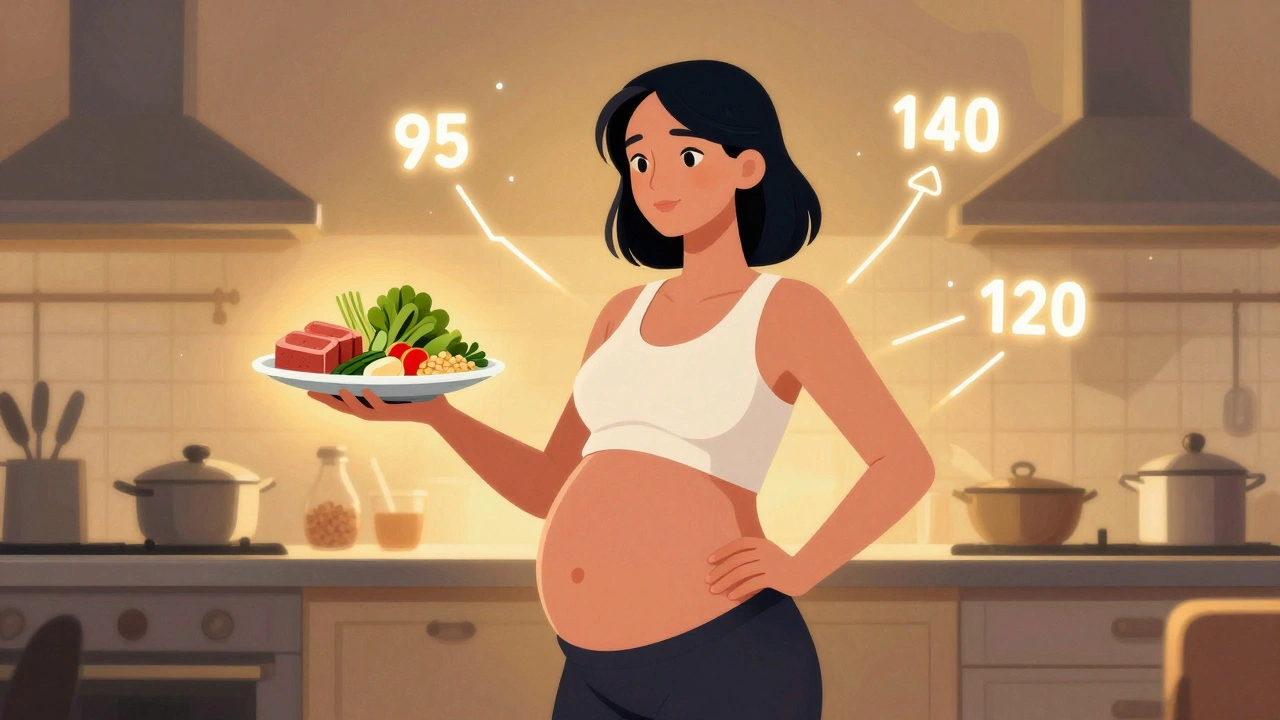
Gestational Diabetes: How to Manage Blood Sugar During Pregnancy
Gestational diabetes affects up to 1 in 10 pregnancies. Learn how to manage blood sugar through diet, exercise, and monitoring to protect your baby and your long-term health.
read more