Myositis: Causes, Treatments, and How Medications Affect Muscle Inflammation
When your muscles hurt, swell, or suddenly feel weak, it could be myositis, a group of conditions where the immune system attacks muscle tissue, leading to inflammation and loss of strength. Also known as inflammatory myopathy, it doesn’t just cause soreness—it can make walking, climbing stairs, or even swallowing hard. This isn’t just a case of overdoing it at the gym. Myositis is often autoimmune, meaning your body turns on itself, and it can be triggered by infections, medications, or unknown factors.
One of the biggest players in myositis is corticosteroids, powerful anti-inflammatory drugs like prednisone that are often the first line of treatment. They work fast to calm the immune attack on muscles, but they come with a cost: long-term use can weaken muscles further, raise blood sugar, and suppress your immune system, making you more vulnerable to infections like pneumonia or shingles. That’s why doctors don’t just prescribe them and walk away—they watch closely, adjust doses, and look for alternatives. Another key concept is immunosuppression, the intentional dampening of the immune response to stop it from damaging healthy tissue. Drugs like methotrexate or rituximab are used to do this more safely than steroids alone. These aren’t quick fixes—they take weeks to show results, and they require regular blood tests to avoid dangerous side effects.
Myositis doesn’t happen in a vacuum. It’s linked to other conditions like lupus, rheumatoid arthritis, or even certain cancers. Some people develop it after viral infections, while others see it pop up after starting new medications. And while it’s rare, it’s serious—left untreated, it can lead to permanent muscle damage or trouble breathing if the diaphragm gets involved. The good news? With early diagnosis and the right mix of drugs, physical therapy, and lifestyle changes, many people regain most of their strength. The posts below dig into exactly how these treatments work, what to watch for with steroid use, how immune drugs affect infection risk, and why some patients respond better than others. You’ll find real-world advice on managing side effects, spotting warning signs, and working with your doctor to find a balance between control and safety.
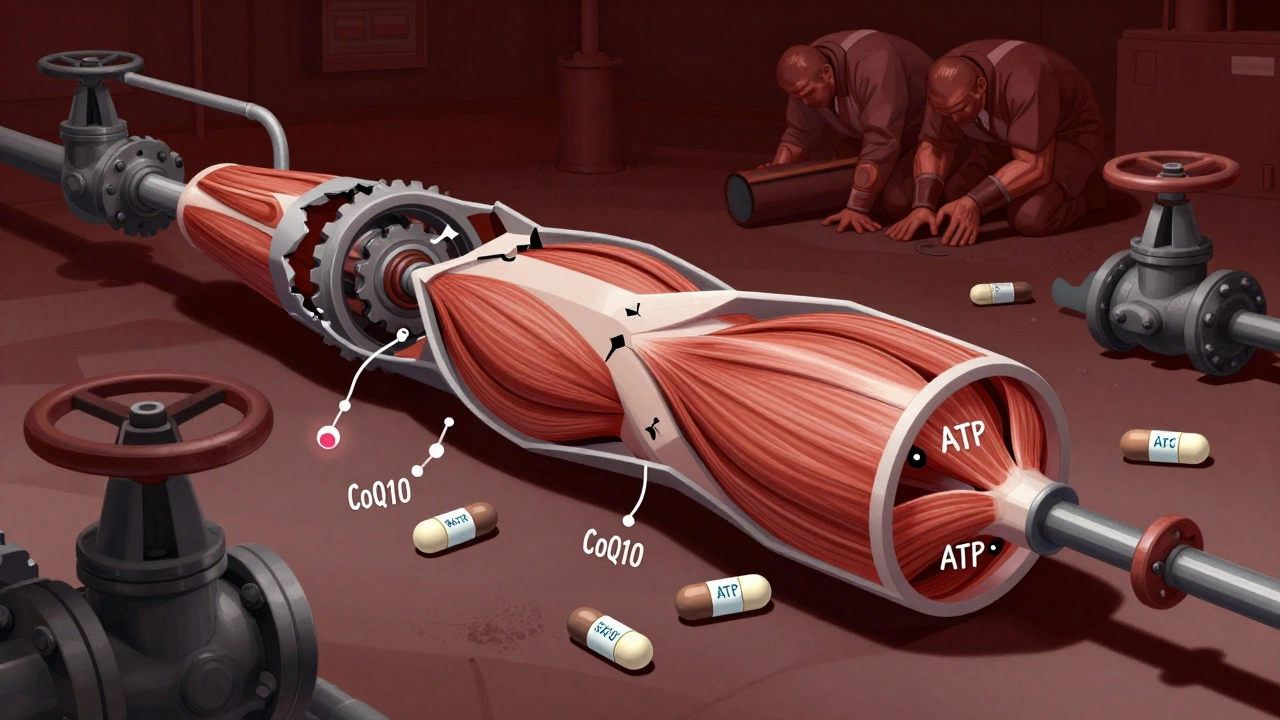
Statin-Induced Muscle Pain: Understanding Myalgia and Myositis
Statin-induced muscle pain isn't always harmless. Myalgia is common, but myositis and immune-mediated myopathy can cause lasting damage. Learn the signs, when to test, and what to do next.
read more