
Steroids and NSAIDs: What You Need to Know About Use, Risks, and Alternatives
When you’re dealing with swelling, pain, or chronic inflammation, steroids, a class of drugs that suppress immune activity and reduce inflammation by mimicking natural hormones. Also known as corticosteroids, they’re used for conditions like asthma, arthritis, and severe allergies. NSAIDs, nonsteroidal anti-inflammatory drugs that block enzymes causing pain and swelling. Common examples include ibuprofen and naproxen, they’re the go-to for headaches, muscle strains, and menstrual cramps. Both help you feel better—but they don’t work the same way, and mixing them without care can hurt you.
Steroids like prednisone can calm down an overactive immune system, which is great for autoimmune flare-ups. But long-term use? It weakens your bones, raises blood sugar, and makes you more likely to get infections. NSAIDs, on the other hand, don’t touch your immune system—they just quiet the pain signals. But they can wreck your stomach lining, raise blood pressure, and damage your kidneys, especially if you’re older or already have heart or kidney issues. Some people take both at the same time thinking it’ll give them double relief. That’s a bad idea. Studies show combining them doesn’t help much more than one alone, but it triples your risk of stomach bleeding and kidney trouble.
What do you do instead? If you’re on steroids long-term, your doctor should be checking your bone density and blood sugar regularly. For NSAIDs, use the lowest dose for the shortest time possible. For joint pain, physical therapy often works better than pills. For skin rashes or allergic reactions, topical steroids are safer than swallowing them. And if you’re trying to avoid pills altogether, things like heat, rest, and even weight loss can cut inflammation without drugs. The posts below cover real cases: how corticosteroids increase infection risk, why nasal steroid sprays are safer than oral ones, how NSAIDs interact with blood pressure meds, and what alternatives work when these drugs fail you. You’ll find practical advice on managing side effects, spotting warning signs, and knowing when to ask for something different.
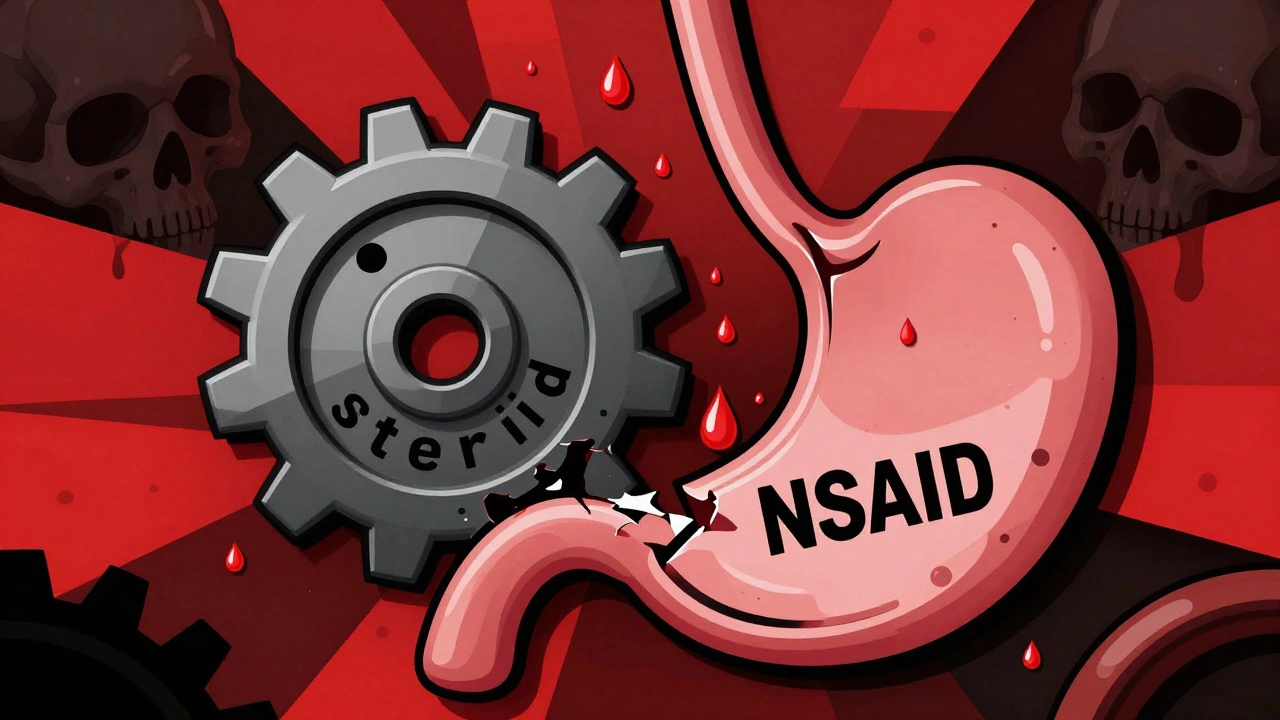
Steroids with NSAIDs: How the Combination Raises GI Bleeding Risk and How to Prevent It
Combining steroids and NSAIDs can multiply the risk of life-threatening GI bleeding. Learn why this happens, who's most at risk, and how to prevent it with proven strategies like PPIs and safer NSAID alternatives.
read more