
TZD Side Effects Calculator
How This Tool Helps You Manage TZD Side Effects
Track your weight trends, calculate fluid retention risk based on your dosage, monitor sodium intake, and get personalized recommendations based on data from your daily monitoring.
When you're taking a diabetes medication like pioglitazone or rosiglitazone, you might notice something unexpected: your clothes feel tighter, your ankles swell, or the scale jumps up without any change in diet. This isn't just bad luck-it's a well-documented side effect of thiazolidinediones (TZDs), a class of drugs designed to improve insulin sensitivity. About 60% of people on TZDs gain weight, and nearly half experience noticeable fluid retention. The good news? You don't have to accept it as inevitable. With smart strategies, you can reduce these side effects without giving up the benefits of better blood sugar control.
Why TZDs Cause Weight Gain and Swelling
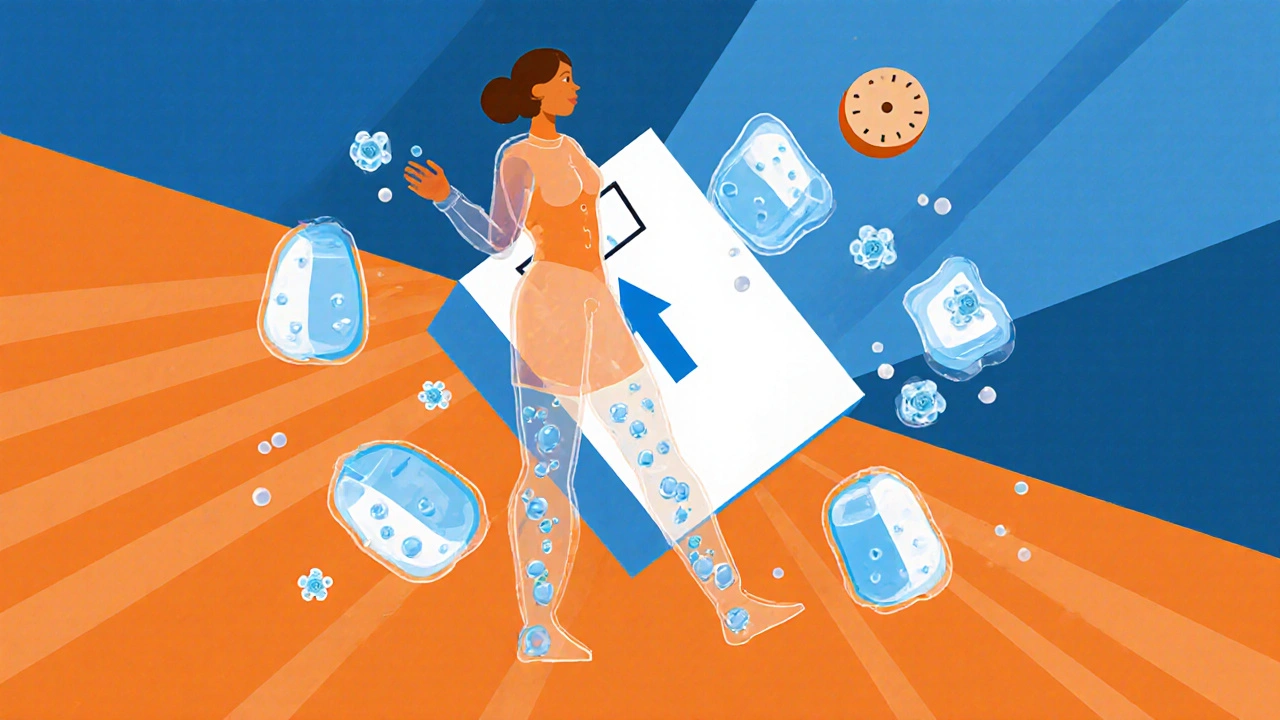
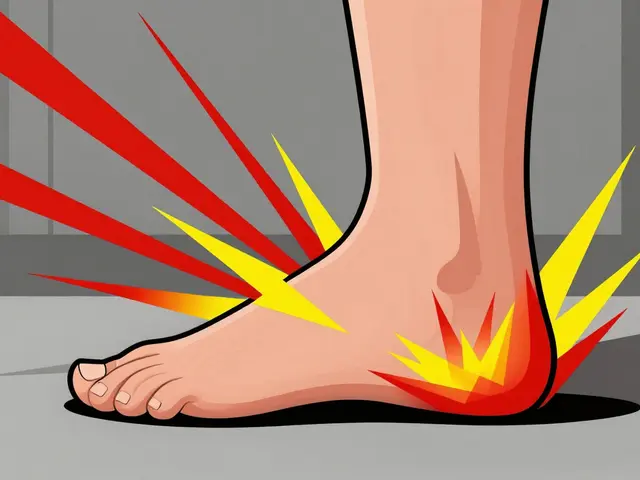
TZDs work by activating PPAR-γ receptors, which help your body respond better to insulin. But this same mechanism also affects how your kidneys handle salt and water. Instead of flushing out excess sodium, your body holds onto it. That extra sodium pulls water with it, leading to fluid buildup-mostly in the legs, ankles, and feet. This is called edema, and it’s not just uncomfortable; it can be a warning sign of worsening heart function. The weight gain isn’t all fat. Studies show that 65-70% of the extra pounds come from fluid, not fat. The rest is from increased fat storage, especially under the skin. This happens because TZDs encourage fat cells to grow and store more energy. While this improves insulin sensitivity, it also means you gain weight even if you’re eating the same amount. The risk goes up when TZDs are combined with insulin. In clinical trials, edema rates jumped from 4.8% with TZD alone to 16.2% when used with insulin. Rosiglitazone and pioglitazone behave similarly in this regard. Even at low doses, like 15 mg of pioglitazone, about 2.1% of patients develop swelling. At 45 mg, that number nearly doubles.Who’s Most at Risk?
Not everyone on TZDs gets edema. But some people are far more likely to. If you already have heart problems-especially if you’re classified as NYHA Class III or IV-you should not take TZDs at all. The FDA’s black box warning exists for a reason: these drugs can make heart failure worse. Other risk factors include:- Being over 65 years old
- Having kidney disease
- Having a history of heart failure or high blood pressure
- Taking insulin or other drugs that cause fluid retention
- Being female (women report higher rates of swelling)
How to Spot Early Signs of Fluid Retention
You don’t need a doctor to catch fluid buildup early. In fact, catching it early is what keeps you out of the hospital. Start by weighing yourself every morning, right after using the bathroom and before eating or drinking. Keep a notebook or use your phone to track it. A gain of more than 2-3 kg (4.5-6.5 lbs) in a week is a red flag. So is swelling that leaves an indentation when you press on your shin or ankle-this is called pitting edema. Other signs:- Shoes that suddenly feel tight
- Difficulty buttoning pants
- Feeling short of breath after light activity
- Needing to sleep propped up with pillows
Strategies to Reduce TZD-Induced Edema
There are several proven ways to cut down on fluid retention without stopping your diabetes treatment.1. Lower the Dose
You don’t need the highest dose to get results. Many patients do just fine on 15 mg of pioglitazone daily. At that dose, edema rates are less than half of what they are at 45 mg. Ask your doctor if you can reduce your dose-even if your A1C is slightly higher. Better blood sugar control isn’t worth risking heart strain.2. Combine with SGLT2 Inhibitors
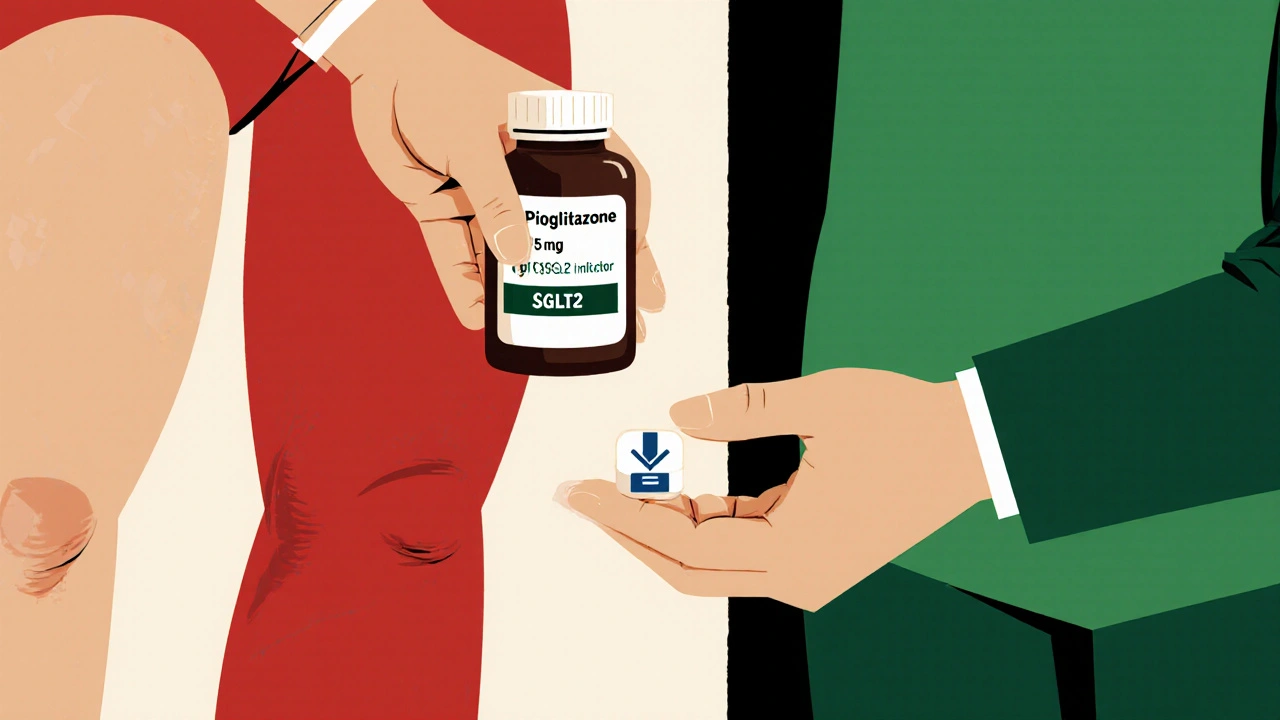
This is one of the most effective tricks. SGLT2 inhibitors like empagliflozin, dapagliflozin, or canagliflozin make your kidneys flush out sugar-and water-through urine. They’re the opposite of TZDs when it comes to fluid balance. Studies show that combining them with TZDs reduces edema by 45% compared to TZDs alone. Plus, SGLT2 inhibitors help you lose weight, lower blood pressure, and protect your heart. They’re now recommended as first- or second-line treatments for type 2 diabetes. If you’re still on TZDs, talk to your doctor about switching or adding one.3. Use a Diuretic-But Choose Wisely
Sometimes, you need a little help getting rid of extra fluid. But not all diuretics are equal. Loop diuretics like furosemide can cause electrolyte imbalances and aren’t ideal for long-term use. Thiazide diuretics like hydrochlorothiazide are safer for mild fluid retention. They’re often used in combination with TZDs in clinical practice and reduce swelling by about 38% in observational studies. Never start a diuretic on your own. Your doctor needs to check your potassium and kidney function first.4. Cut Back on Sodium
If you’re eating processed foods, canned soups, or fast food, you’re likely getting more than 3,000 mg of sodium a day. TZDs make your body hold onto sodium. Add more sodium, and the swelling gets worse. Aim for less than 2,000 mg per day. That means:- Reading food labels
- Choosing fresh vegetables, lean meats, and whole grains
- Using herbs and spices instead of salt
- Avoiding soy sauce, pickles, and deli meats
5. Elevate Your Legs and Move
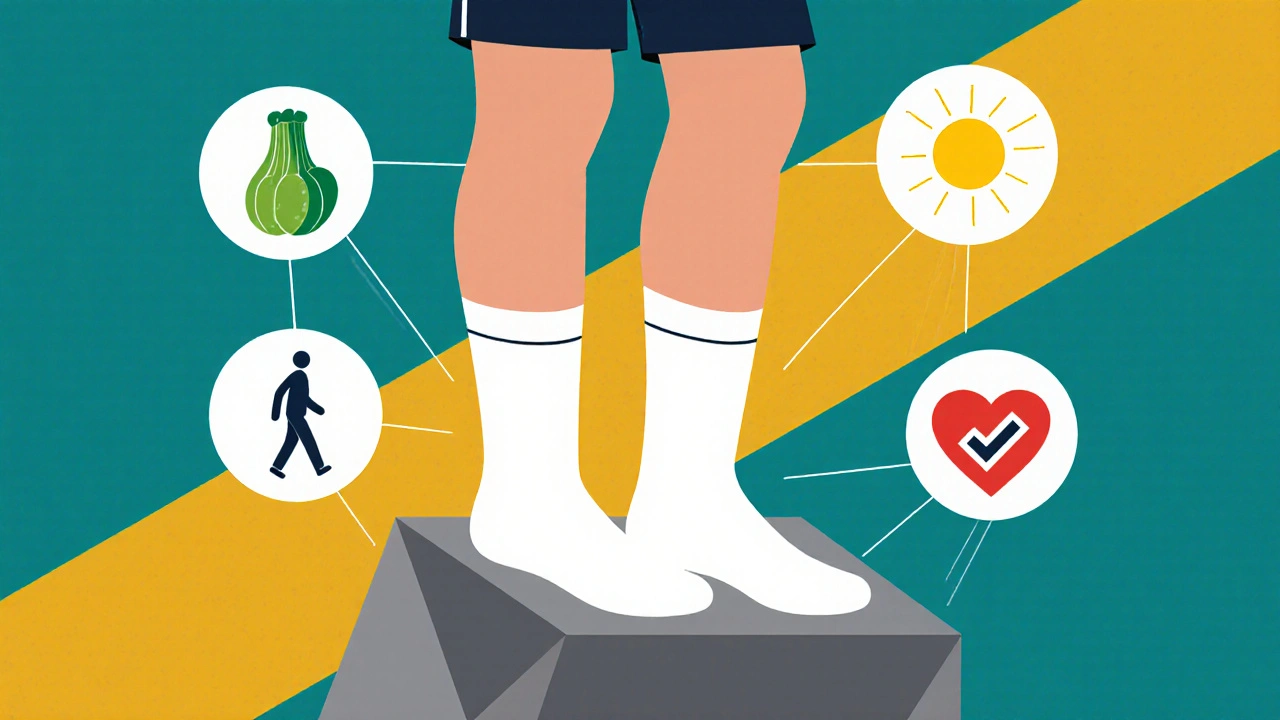
Sitting or standing for long periods makes fluid pool in your legs. Try elevating your feet for 15-20 minutes a few times a day. Use a footstool at your desk or prop your legs up on pillows while watching TV. Light activity helps too. Walking for 20-30 minutes a day improves circulation and helps your body reabsorb excess fluid. Don’t wait until you feel swollen-move before it happens.6. Take TZDs in the Morning
Fluid retention tends to worsen overnight. Taking your TZD in the morning, rather than at night, may help your body process the sodium during the day when you’re more active. While this isn’t proven in large trials, small studies suggest it helps some people sleep better and wake up with less swelling.What to Do If Side Effects Are Too Much
If you’ve tried everything and the swelling or weight gain is still affecting your life, it’s time to talk about alternatives. Many patients who stop TZDs do so because of these side effects. In online communities, 82% of users who quit cited weight gain or edema as the reason. But quitting doesn’t mean giving up on good diabetes control. Options to discuss with your doctor:- Metformin: First-line treatment. Often helps with modest weight loss.
- GLP-1 agonists (like semaglutide or liraglutide): Promote weight loss and protect the heart.
- SGLT2 inhibitors: Already mentioned-they’re powerful allies against fluid retention.
When TZDs Still Make Sense
TZDs aren’t outdated. For some people, they’re the best option. If you have severe insulin resistance-like someone with polycystic ovary syndrome (PCOS) or fatty liver disease-and other drugs haven’t worked, TZDs can be a game-changer. They’re especially useful for patients who:- Can’t tolerate metformin due to stomach issues
- Have very high insulin levels
- Need long-term insulin sensitization without frequent dosing
What’s Next for TZDs?
Newer drugs called SPPARMs (selective PPAR modulators) are being tested. One example, saroglitazar, works like TZDs but causes 60% less fluid retention in trials. It’s already approved in India and may reach the U.S. in the next few years. Researchers are also looking at genetic markers. Some people have a gene variant (rs1801282) that makes them far more likely to develop edema on TZDs. In the future, a simple blood test might tell you if this drug is right for you. For now, though, TZDs are a tool-not a default. Use them carefully, monitor closely, and don’t be afraid to switch if the side effects outweigh the benefits.Quick Summary / Key Takeaways
- TZDs cause weight gain and swelling mainly due to fluid retention, not fat gain-about 65-70% of the weight gain is water.
- Edema risk jumps from 5% with TZD alone to over 16% when combined with insulin.
- Start with the lowest effective dose (e.g., pioglitazone 15 mg) to minimize side effects.
- Combining TZDs with SGLT2 inhibitors cuts edema by nearly half and helps with weight loss.
- Limit sodium to under 2,000 mg/day and elevate your legs daily to reduce swelling.
- Stop TZDs if you have heart failure (NYHA Class III or IV)-they’re unsafe in these cases.
- Newer drugs like GLP-1 agonists and SGLT2 inhibitors are often better choices today.
Can TZDs cause heart failure?
TZDs don’t directly damage the heart, but they can worsen existing heart failure by causing fluid overload. That’s why they’re banned in patients with NYHA Class III or IV heart failure. If you already have heart problems, even mild ones, TZDs can make them worse. Always tell your doctor if you’ve ever had heart issues before starting this medication.
How long does it take for TZD-related swelling to go away after stopping?
Most people see improvement within 1-2 weeks after stopping TZDs. The fluid usually drains naturally as your kidneys resume normal sodium excretion. If swelling persists beyond 3 weeks, or if you still feel short of breath, see your doctor-it could be a sign of another issue, like kidney or heart disease.
Is weight gain from TZDs permanent?
The fluid weight goes away after stopping the drug. The fat gain is harder to reverse but not permanent. With diet, exercise, and switching to a weight-neutral or weight-loss medication like metformin or a GLP-1 agonist, most people can lose the extra pounds over time. The key is not to wait-start making changes as soon as you notice the gain.
Can I take a diuretic with TZDs to prevent swelling?
Yes, but only under medical supervision. Thiazide diuretics like hydrochlorothiazide are preferred over loop diuretics because they’re gentler and safer for long-term use. However, they can lower potassium and affect kidney function, so your doctor will need to monitor your blood tests. Never start a diuretic on your own.
Are there any natural remedies that help with TZD-induced edema?
There’s no strong evidence that herbs or supplements reduce TZD-related swelling. But lifestyle changes do help: reducing sodium, elevating your legs, walking daily, and avoiding long periods of sitting or standing. Some people find compression socks useful for managing ankle swelling. Always check with your doctor before trying anything new-even natural remedies can interact with medications.
Next Steps and Troubleshooting
If you’re currently on a TZD and experiencing side effects:- Week 1-2: Start daily weight tracking. Buy a digital scale and weigh yourself at the same time each morning.
- Week 3: Review your sodium intake. Cut out processed foods and track your daily salt intake using a food diary app.
- Week 4: Schedule a visit with your doctor. Bring your weight log and ask: "Can we lower my dose? Can we add an SGLT2 inhibitor?"
- Don’t assume your diabetes is worse now. Many patients do better on newer drugs.
- Ask your doctor about GLP-1 agonists or SGLT2 inhibitors-they’re often more effective and safer long-term.
- If you’re still gaining weight, consider working with a dietitian who specializes in insulin resistance.



13 Comments