
Pioglitazone Weight Gain: Why It Happens and What You Can Do
When you take pioglitazone, a thiazolidinedione medication used to treat type 2 diabetes by improving insulin sensitivity. Also known as Actos, it helps your body use insulin more effectively—but one common side effect is weight gain. This isn’t just a minor inconvenience. For many people, gaining 5 to 10 pounds—or more—while on pioglitazone can feel discouraging, especially if you’re trying to manage your diabetes through diet and exercise.
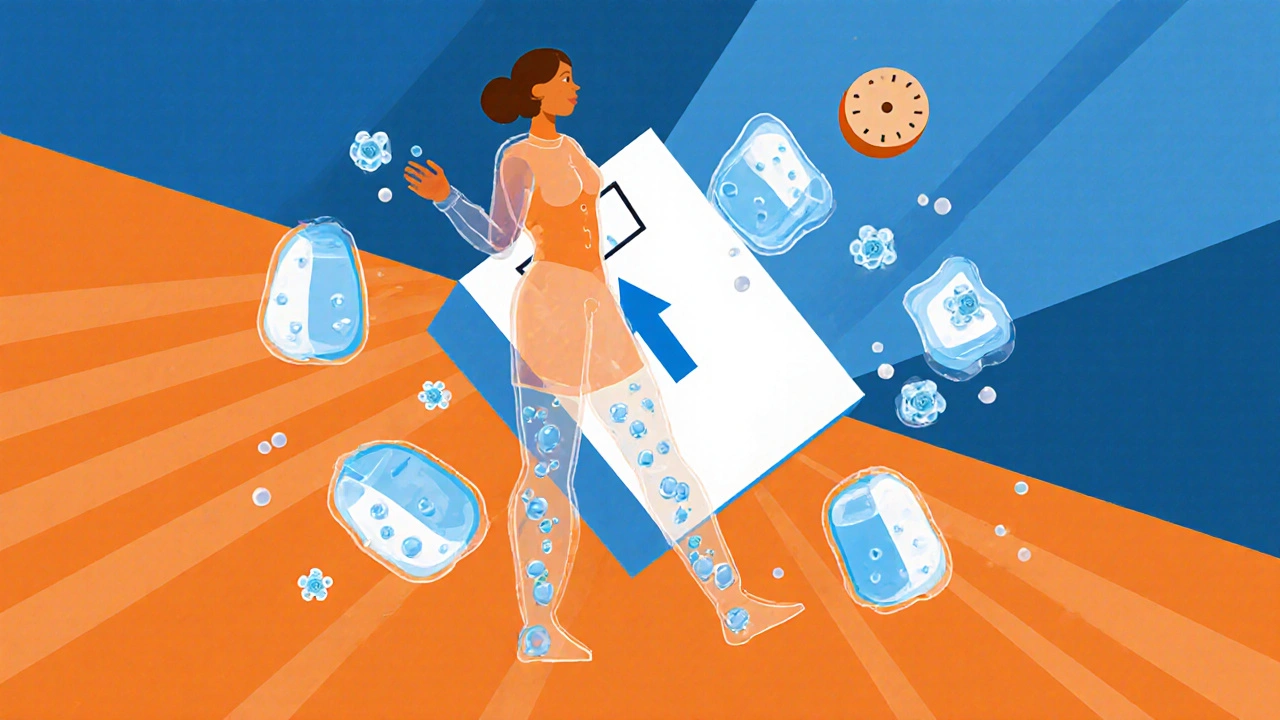
The weight gain isn’t from fat alone. Pioglitazone causes your body to hold onto more fluid and increases fat storage, especially under the skin. It works by activating PPAR-gamma receptors, which help move glucose into fat cells. That’s good for blood sugar, but it also means your body stores more fat and retains water. This effect is stronger in people who already have insulin resistance, a condition where cells don’t respond well to insulin, often linked to obesity and prediabetes. If you’re taking pioglitazone because your body struggles to use insulin, the drug is doing its job—but it’s also making your fat cells bigger.
It’s not the only diabetes drug that causes weight gain. sulfonylureas, like glyburide and glipizide, also lead to weight gain by forcing the pancreas to release more insulin, which can lower blood sugar but also trigger hunger and fat storage. But pioglitazone is unique because its weight gain comes from both fluid retention and fat redistribution, not just increased appetite. That’s why some people notice swelling in their ankles or legs, not just a higher number on the scale.
What can you do? First, don’t stop taking it without talking to your doctor. Pioglitazone can lower your risk of heart problems and stroke in certain patients. Instead, pair it with lifestyle changes. A low-carb or Mediterranean-style diet helps reduce fluid retention and improves insulin sensitivity naturally. Regular movement—even walking 30 minutes a day—can offset some of the fat gain. Monitoring your salt intake also helps cut down on water weight. And if the weight keeps climbing despite your efforts, ask about switching to a GLP-1 agonist like semaglutide, which often leads to weight loss instead.
Many people assume weight gain on diabetes meds means they’re doing something wrong. But it’s not about willpower—it’s about how the drug works. You’re not failing. You’re just dealing with a side effect that’s built into the medicine’s design. The goal isn’t to avoid pioglitazone entirely, but to understand how it affects your body so you can manage it smarter.
Below, you’ll find real-world advice from people who’ve navigated this exact issue—how they adjusted their diet, what alternatives worked, and when it was time to switch meds. These aren’t theoretical tips. They’re the strategies that actually helped people stay on track without giving up their treatment.
TZD Weight Gain and Edema: How to Manage These Common Side Effects
TZDs like pioglitazone help control blood sugar but often cause weight gain and swelling. Learn how to reduce these side effects with dose adjustments, SGLT2 inhibitors, low-sodium diets, and other proven strategies.
read more