
Pregnancy Diabetes Diet: What to Eat and Avoid for Better Blood Sugar Control
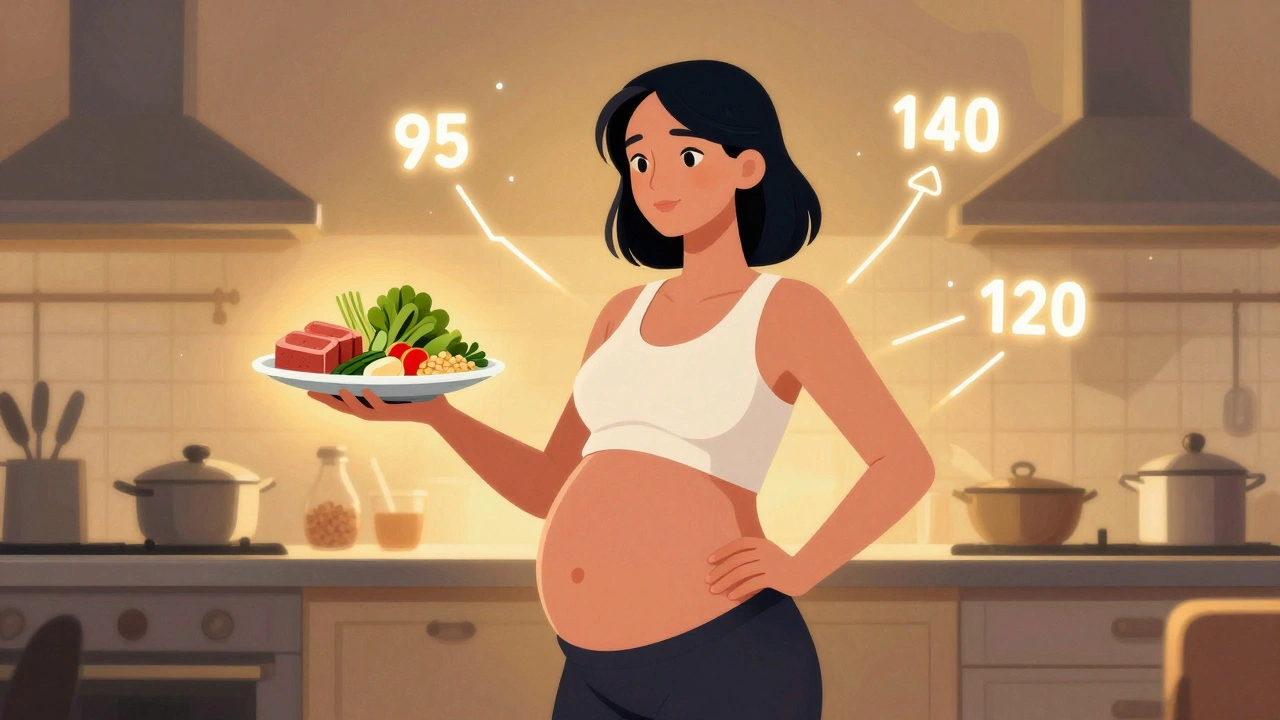
When you're pregnant and diagnosed with gestational diabetes, a type of diabetes that develops during pregnancy due to hormonal changes and insulin resistance. It's not your fault, and it's not permanent—but it does need careful management. The right pregnancy diabetes diet, a structured eating plan designed to stabilize blood sugar without starving you or your baby can keep you healthy, reduce the risk of complications, and even prevent type 2 diabetes later. This isn’t about cutting out all carbs or eating bland food. It’s about choosing the right kinds, at the right times, in the right amounts.
Insulin resistance, when your body doesn’t respond well to insulin, which happens naturally in late pregnancy to feed the growing baby is the main reason gestational diabetes shows up. That’s why your body needs steady, slow-burning fuel—not sugar spikes from white bread, sugary cereals, or fruit juices. Instead, focus on high-fiber carbs like oats, quinoa, and beans paired with lean protein and healthy fats. These slow digestion, so your blood sugar doesn’t rocket up after meals. Studies show that women who follow this pattern have fewer large babies, less need for insulin, and lower chances of C-sections. You don’t need to count every gram, but you do need to be mindful of portion sizes and meal timing. Three small meals and two to three snacks a day works better than three big ones.
What you avoid matters just as much as what you eat. Skip the sugary drinks, pastries, and processed snacks—they’re sugar bombs with no nutrition. Even some "healthy" foods like dried fruit, flavored yogurt, and granola bars can spike your levels. Instead, reach for whole apples, plain Greek yogurt, nuts, eggs, and leafy greens. Pairing carbs with protein or fat makes a huge difference: an apple alone might raise your sugar, but an apple with peanut butter? That’s a balanced snack. Many women find that monitoring their blood sugar after meals helps them learn what works for their body. It’s not about perfection—it’s about progress.
Some women worry this diet is too restrictive, but it’s really about smarter choices. You can still enjoy pasta, rice, and bread—just choose whole grain versions and keep portions small. A serving of rice is about half a cup, not a full bowl. You can have fruit, but spread it out across the day, not all at breakfast. And yes, you can have dessert—occasionally—with a protein side to balance it. This isn’t a diet you follow for a month. It’s a way of eating that supports your baby’s growth and your long-term health.
Below, you’ll find real advice from people who’ve been there: how to handle morning sickness with gestational diabetes, what snacks actually keep sugar stable, how to eat when you’re exhausted, and which foods to swap out when cravings hit. These aren’t theory-based tips—they’re tested, practical, and made for real life. Whether you’re just diagnosed or you’ve been managing this for weeks, there’s something here that will help you feel more in control.
Gestational Diabetes: How to Manage Blood Sugar During Pregnancy
Gestational diabetes affects up to 1 in 10 pregnancies. Learn how to manage blood sugar through diet, exercise, and monitoring to protect your baby and your long-term health.
read more