Statin Muscle Pain: What It Is, Why It Happens, and How to Handle It
When you take a statin, a class of cholesterol-lowering drugs that block an enzyme your liver uses to make cholesterol. Also known as HMG-CoA reductase inhibitors, they’re among the most prescribed medications in the world because they cut heart attack risk by up to 30% in high-risk people. But for many, that benefit comes with a trade-off: statin muscle pain, unexplained aches, cramps, or weakness in the legs, arms, or back that starts after beginning or increasing the dose. It’s not just in your head—this isn’t normal soreness from the gym. It’s a real biological reaction, and it’s the #1 reason people stop taking statins.
Not everyone gets it. About 5 to 10% of people on statins report muscle discomfort, but only a small fraction have true statin intolerance, a condition where muscle symptoms are severe enough to force discontinuation, often confirmed by elevated creatine kinase levels. The pain usually shows up within weeks or months, gets worse with activity, and doesn’t improve with rest or stretching. It’s more common in older adults, women, people with low vitamin D, thyroid issues, or those taking other meds like fibrates or certain antibiotics. Some statins—like simvastatin and atorvastatin—are more likely to trigger it than others, like pravastatin or fluvastatin.
Here’s the thing: stopping your statin without a plan can be riskier than the pain. If you have heart disease or high LDL, going off the drug raises your chance of a heart attack or stroke. But you don’t have to suffer. Doctors can switch you to a lower dose, try a different statin, or add a non-statin option like ezetimibe or PCSK9 inhibitors. Some people find relief with coenzyme Q10 supplements, though evidence is mixed. Blood tests to check for muscle damage (CK levels) and thyroid function are simple steps that can rule out other causes.
And if your pain is mild, it might not be the statin at all. A recent study found that people told they had statin-related pain felt just as bad when given a placebo—suggesting expectation plays a role. But that doesn’t mean the pain isn’t real. It means your body’s response is complex, and there’s more than one way to fix it. The goal isn’t just to avoid side effects—it’s to keep your heart safe while feeling good in your body.
Below, you’ll find real stories and science-backed advice from people who’ve been there—how they managed the pain, what worked, what didn’t, and how they stayed on track with their heart health. No fluff. Just what you need to know to make a smart decision with your doctor.
Statin-Induced Muscle Pain: Understanding Myalgia and Myositis
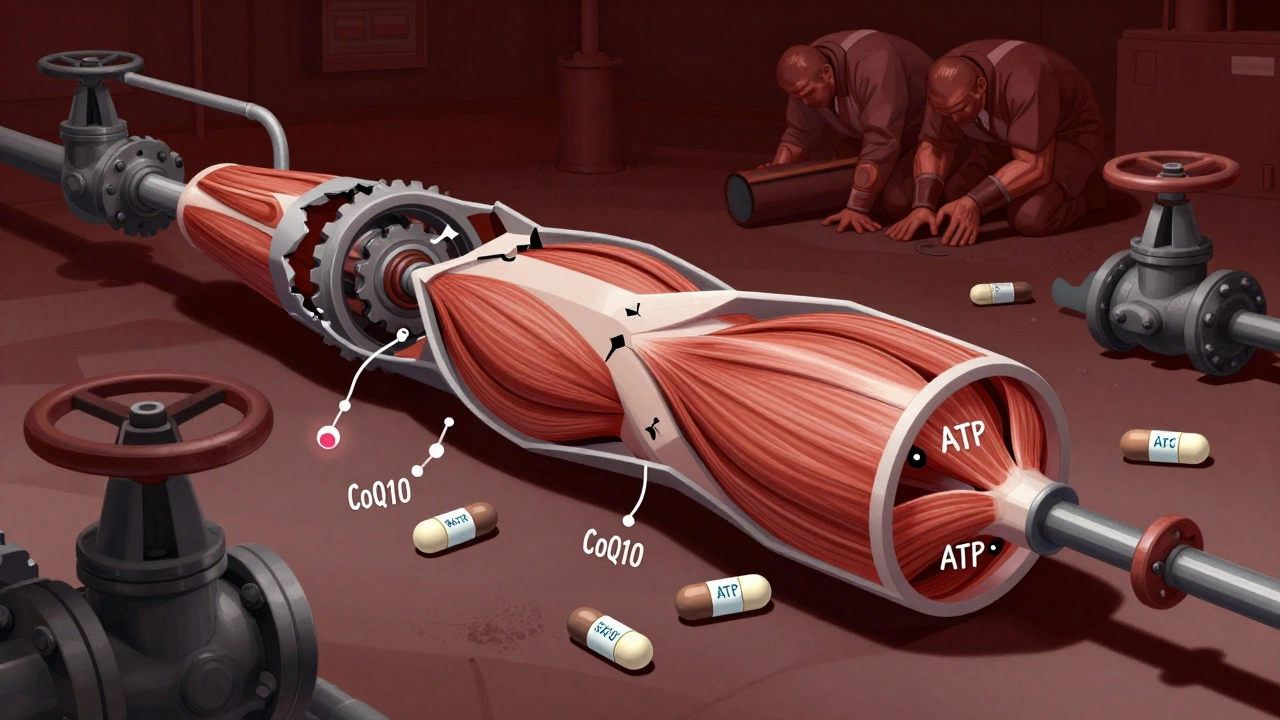
Statin-induced muscle pain isn't always harmless. Myalgia is common, but myositis and immune-mediated myopathy can cause lasting damage. Learn the signs, when to test, and what to do next.
read more