
Suicidal Ideation Monitoring: How to Track Risk and Stay Safe
When someone is struggling with suicidal ideation, persistent thoughts about ending one’s life, often linked to depression, trauma, or medication side effects. Also known as suicidal thoughts, it’s not a diagnosis—but a critical warning sign that needs attention. It doesn’t always mean someone will act on it, but ignoring it can be dangerous. The goal of suicidal ideation monitoring isn’t to scare people—it’s to catch changes before they become crises.
Doctors use several tools to track this risk. They ask direct questions during check-ups, use standardized scales like the Columbia-Suicide Severity Rating Scale, a clinical tool that grades thought intensity, intent, and plan, and watch for behavioral shifts—like withdrawing from friends, giving away belongings, or sudden calm after a dark period. Certain medications, especially antidepressants, used to treat depression but can temporarily increase suicidal thoughts in young adults during the first weeks of use, require close monitoring. The FDA requires black box warnings on many SSRIs for this reason. Monitoring doesn’t stop at prescriptions—it includes follow-up calls, therapy notes, and sometimes wearable tech that tracks sleep, activity, and voice patterns for emotional changes.
Family members and caregivers play a key role too. You don’t need to be a mental health expert to notice when someone’s behavior shifts. If a loved one stops answering texts, skips meals, or talks about being a burden, those aren’t just "off days." They’re data points. Keeping a simple journal—notes on mood, sleep, and talk of hopelessness—can help a doctor spot patterns faster. And if you’re on medication that lists suicidal thoughts as a side effect, don’t wait for your next appointment to speak up. Call your provider the same day if things feel worse.
The posts below cover real-world cases where medication changes, drug interactions, and treatment adjustments either helped or harmed mental health. You’ll find stories about how steroids, antibiotics, and even diabetes drugs can influence mood. There’s also advice on what to ask your doctor, how to track your own symptoms, and when to push for more help. This isn’t about fear—it’s about knowing what to watch for, so you or someone you care about doesn’t slip through the cracks.
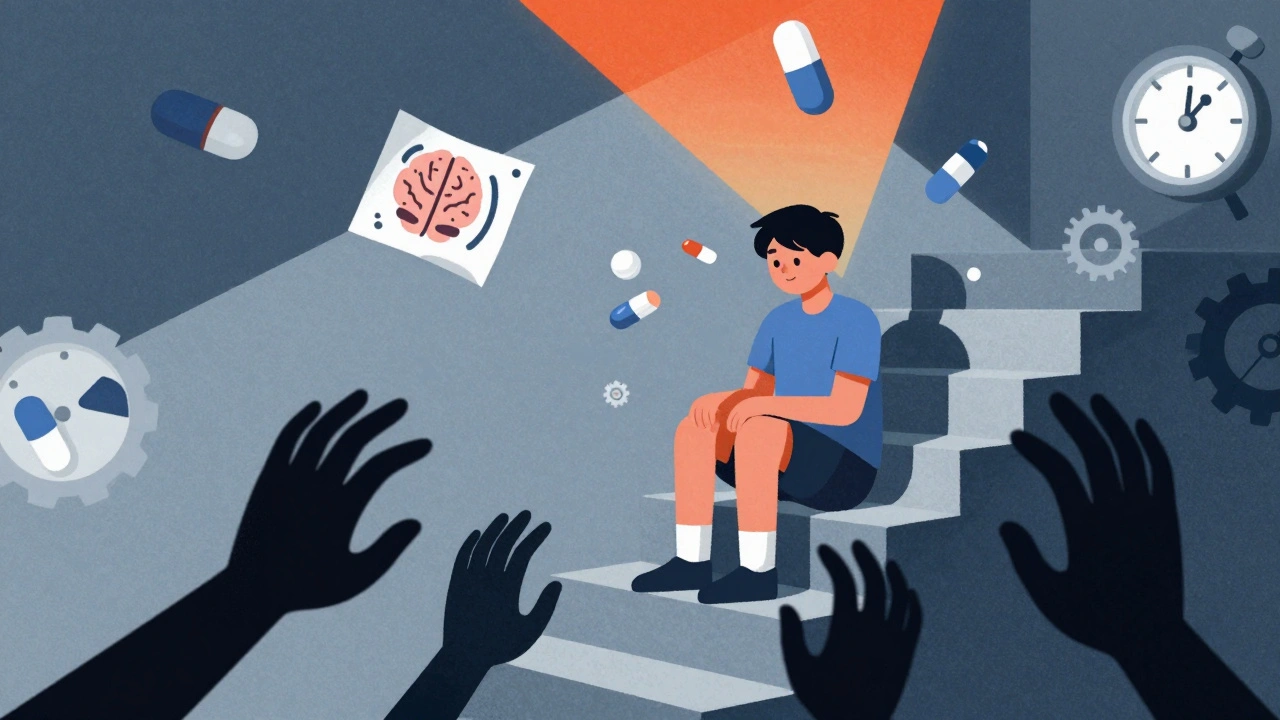
Adolescents and Psychiatric Medications: How to Monitor for Suicidal Ideation
Adolescents on psychiatric medications need close monitoring for suicidal ideation, especially in the first weeks of treatment. Learn the warning signs, best practices, and how families and providers can work together to keep teens safe.
read more