
TZD Fluid Retention: What You Need to Know About Swelling from Diabetes Drugs
When you take a TZD, a class of oral diabetes medications that improve insulin sensitivity. Also known as thiazolidinediones, these drugs help lower blood sugar by making your body respond better to insulin. But there’s a hidden catch: up to 1 in 5 people on TZDs develop fluid retention, a buildup of extra fluid in tissues that causes swelling, especially in the legs and feet. This isn’t just a nuisance—it can lead to heart failure, especially in older adults or those with existing heart problems.
TZDs like pioglitazone, a commonly prescribed drug for type 2 diabetes that improves insulin action in fat and muscle cells and rosiglitazone, a similar drug now heavily restricted due to heart risks work by activating receptors in fat cells that change how the body handles water and salt. The result? Your kidneys hold onto more sodium and water, and fluid leaks into your tissues. You might notice your shoes feel tight, your ankles swell after standing all day, or you gain a few pounds quickly without changing your diet. These aren’t just side effects—they’re warning signs.
People with heart disease, kidney issues, or those over 65 are at higher risk. If you’re on a TZD and start noticing swelling, don’t ignore it. It’s not the same as occasional puffiness after salty food. This kind of fluid retention builds slowly, gets worse over weeks, and doesn’t go away with elevation or compression socks. Your doctor may need to adjust your dose, switch you to a different diabetes drug, or add a diuretic. But here’s the thing: stopping the TZD often reverses the swelling. That’s why early detection matters.
What you’ll find below are real-world guides from people who’ve dealt with this issue. You’ll see how to spot early signs of swelling, which diabetes meds are safer if you’re prone to fluid retention, what tests your doctor should run, and how to talk to your provider without sounding alarmist. Some posts even show how patients managed swelling while still controlling their blood sugar—no magic bullets, just practical steps that work. This isn’t theoretical. These are experiences from real patients and clinicians who’ve seen this problem up close.
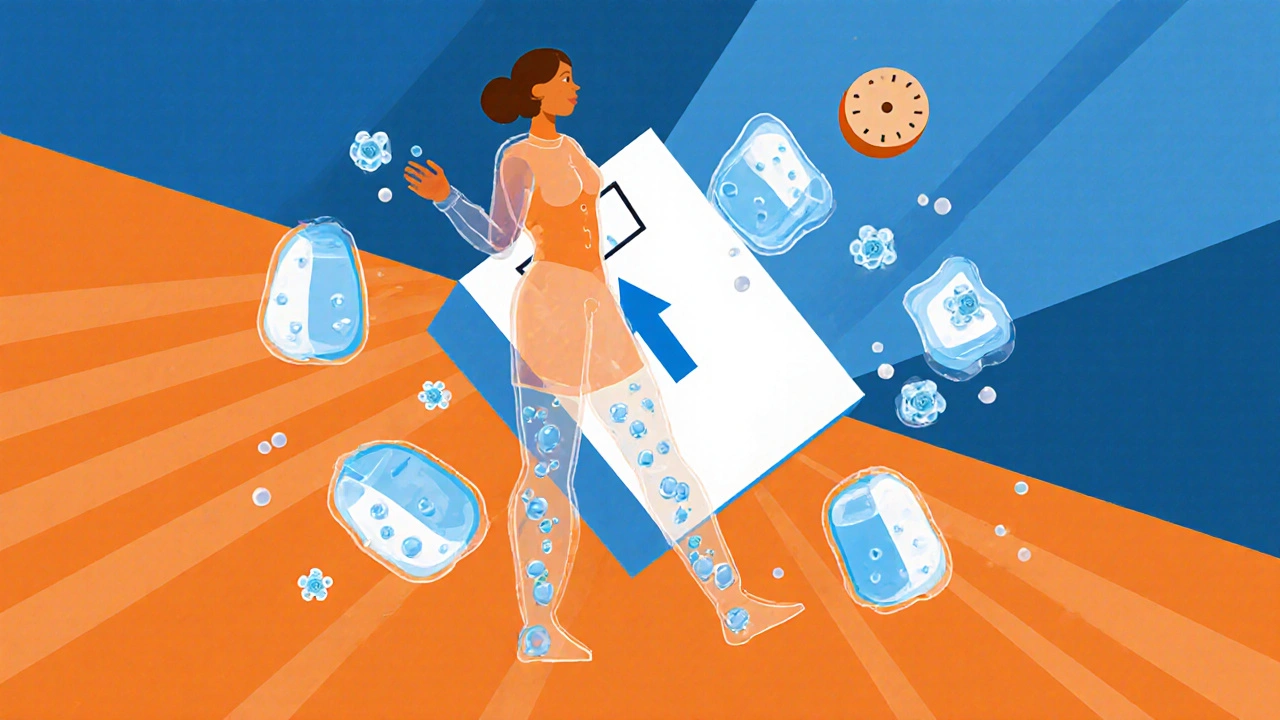
TZD Weight Gain and Edema: How to Manage These Common Side Effects
TZDs like pioglitazone help control blood sugar but often cause weight gain and swelling. Learn how to reduce these side effects with dose adjustments, SGLT2 inhibitors, low-sodium diets, and other proven strategies.
read more