
ACE Inhibitors: What They Are, How They Work, and What You Need to Know
When your doctor prescribes an ACE inhibitor, a class of medications that block the angiotensin-converting enzyme to lower blood pressure and reduce strain on the heart. Also known as angiotensin-converting enzyme inhibitors, these drugs are among the most widely used treatments for high blood pressure, heart failure, and kidney protection in people with diabetes. They don’t just lower numbers on a chart—they help your arteries stay flexible, reduce fluid buildup, and take pressure off your heart and kidneys over time.
ACE inhibitors work by stopping the body from making angiotensin II, a chemical that tightens blood vessels and raises blood pressure. Without it, your vessels relax, blood flows more easily, and your heart doesn’t have to work as hard. Common examples include lisinopril, enalapril, and ramipril. These aren’t just for older adults—people with diabetes, kidney disease, or a history of heart attacks often get them because they do more than control pressure: they protect organs. But they’re not magic. They can cause a dry cough in up to 20% of users, and in rare cases, swelling of the face or throat. That’s why you never stop them suddenly, and why your doctor checks your kidney function and potassium levels regularly.
Many people on ACE inhibitors, medications used to treat hypertension and heart conditions by inhibiting the angiotensin-converting enzyme also take other drugs like diuretics or statins. But mixing them with NSAIDs or potassium supplements can be risky. For example, taking ibuprofen with an ACE inhibitor might cancel out the blood pressure benefit—or worse, spike your potassium to dangerous levels. That’s why knowing what else you’re taking matters just as much as taking the pill itself.
People with kidney disease often rely on these drugs to slow damage, but if your kidneys are already struggling, your doctor will monitor you closely. And if you’re pregnant? ACE inhibitors are a hard no—they can harm the developing baby. That’s why women of childbearing age are warned upfront. It’s not just about the drug—it’s about your whole health picture.
There’s a reason these medications show up in so many of the posts here: they’re foundational. Whether it’s managing blood pressure in older adults, protecting kidneys in diabetes, or avoiding dangerous interactions with antibiotics or NSAIDs, ACE inhibitors are a thread tying together dozens of real-world health concerns. You’ll find posts here that explain how they interact with other drugs, why some people can’t tolerate them, and what alternatives exist if they cause side effects. What you’ll see isn’t just theory—it’s what people actually deal with when they take these pills day after day.
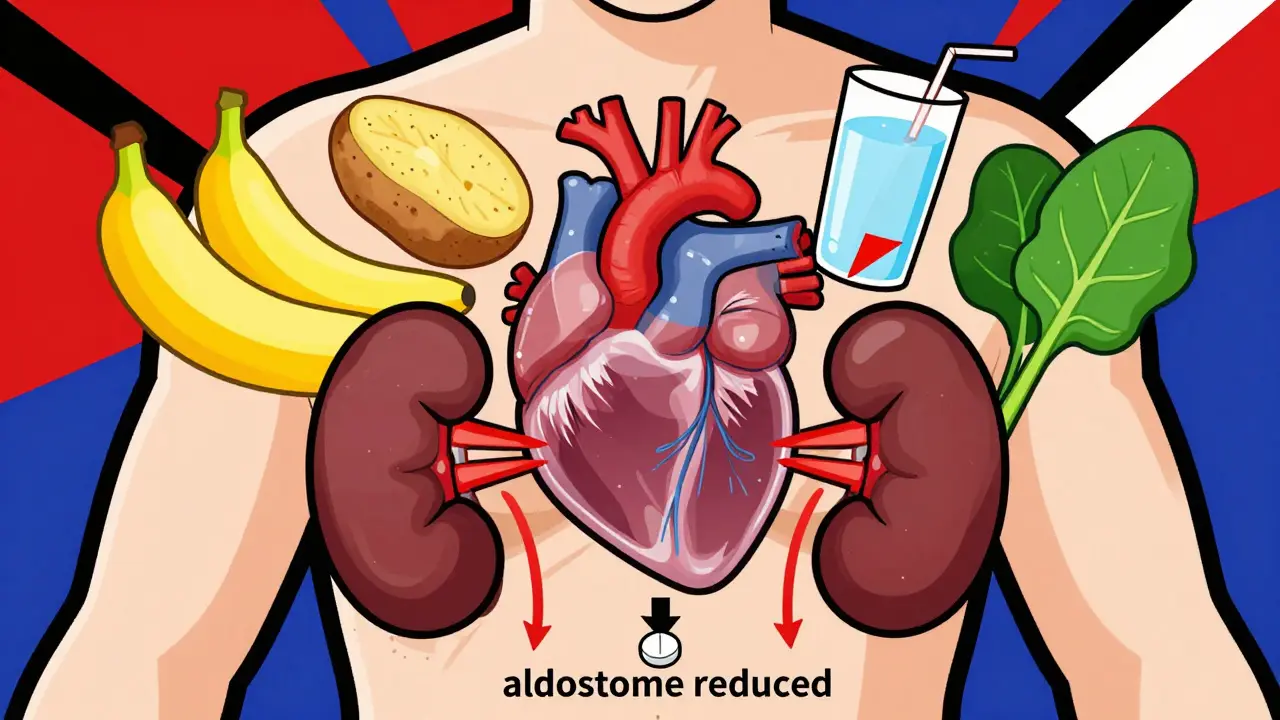
ACE Inhibitors and High-Potassium Foods: What You Need to Know About the Risks
ACE inhibitors can raise potassium levels, especially in people with kidney issues or diabetes. Learn which foods to watch, who’s at risk, and how to stay safe without giving up healthy nutrition.
read more
ACE Inhibitors and ARBs: What You Need to Know About Interactions and Cross-Reactivity
ACE inhibitors and ARBs are both used for high blood pressure and kidney protection, but combining them increases serious risks like hyperkalemia and kidney failure without added benefits. Learn why doctors avoid this mix and what to do instead.
read more