
Prednisone: Uses, Side Effects, and What You Need to Know
When your body is fighting too much inflammation—whether from arthritis, asthma, or an autoimmune flare—prednisone, a synthetic corticosteroid that mimics the body’s natural stress hormone. Also known as a glucocorticoid, it doesn’t cure the disease, but it shuts down the immune system’s overreaction fast. That’s why doctors reach for it when other treatments fail. But it’s not a gentle drug. It’s powerful, and that power comes with a cost.
Most people take prednisone for short bursts—weeks, not months—because long-term use brings risks. corticosteroids, a class of drugs that reduce inflammation and suppress immune activity like prednisone can cause weight gain, fluid retention, and mood swings. Some people get insomnia, while others feel unusually calm. You might notice your face rounding out, your belly swelling, or your legs feeling heavy. These aren’t just side effects—they’re signals your body is being reshaped by the drug. And if you stop too fast, your body can crash. prednisone withdrawal, a dangerous condition that happens when the adrenal glands can’t restart cortisol production after prolonged use can lead to fatigue, nausea, joint pain, and even life-threatening drops in blood pressure.
It’s not all bad news. For many, prednisone is the only thing that brings relief. People with lupus, ulcerative colitis, or severe allergic reactions often say it gave them back their lives. But how you take it matters. A low dose for a few days? Usually fine. A high dose for months? That’s when you need to plan—diet, exercise, bone scans, blood sugar checks. You can’t just ignore it. And you definitely shouldn’t try to wean off on your own. The right taper schedule can mean the difference between feeling okay and feeling awful.
The posts below cover real-world issues people face with prednisone: how to handle swelling, why your blood sugar spikes, what to do when you’re stuck on it longer than planned, and how to talk to your doctor about alternatives. You’ll find advice on managing side effects, spotting warning signs, and making smarter choices when your treatment doesn’t go as expected. This isn’t theory. It’s what people actually deal with when they’re on this drug—and how they get through it.
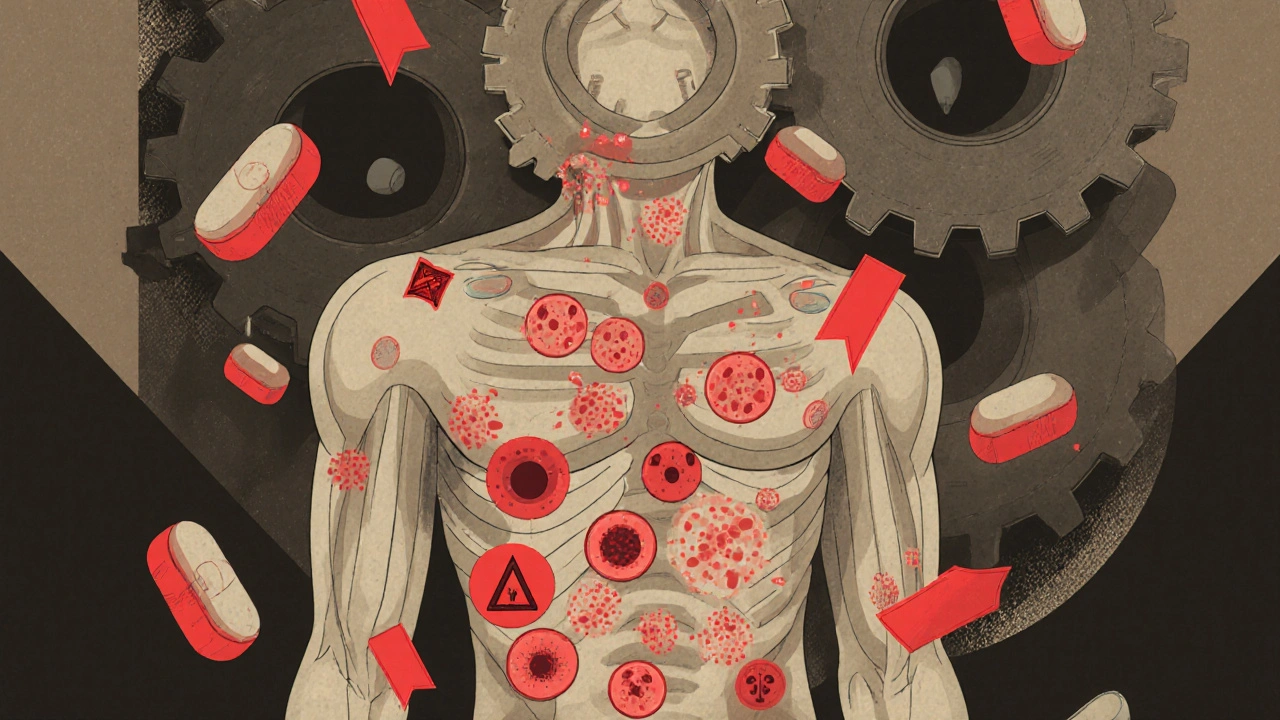
Immunosuppression from Corticosteroids: How to Reduce Infection Risk
Corticosteroids like prednisone suppress the immune system, increasing infection risk. Learn how high doses lead to pneumonia, TB, and shingles-and how to prevent them with vaccines, prophylaxis, and dose reduction.
read more