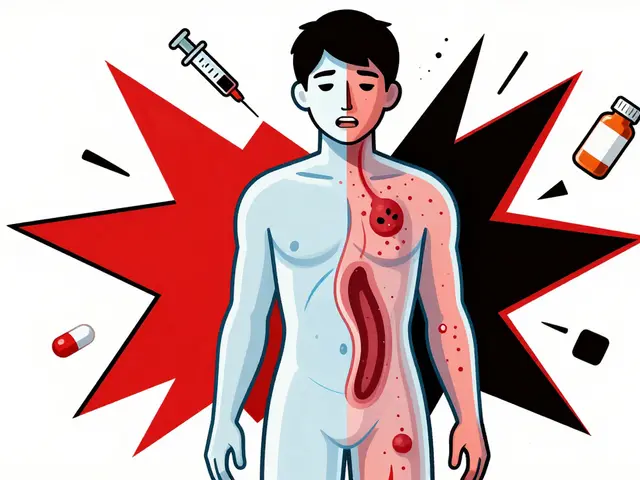
Generic Drugs: What They Are, How They Work, and Why They Matter
When you hear generic drugs, pharmaceutical products that contain the same active ingredients as brand-name drugs but are sold under their chemical name. Also known as non-brand medications, they are approved by the FDA to work the same way, in the same amount, and with the same safety profile as their more expensive counterparts. Most people assume brand-name drugs are better—maybe because they cost more, or because they’re advertised on TV. But that’s not how medicine works. A generic version of metformin, for example, treats type 2 diabetes just like Glucophage. The difference isn’t in the effect—it’s in the price.
Generic drugs aren’t cheap imitations. They’re exact copies of the original drug’s active ingredient, and they must meet the same strict standards for purity, strength, and how fast they’re absorbed into your body. The FDA requires them to be therapeutically equivalent—meaning your doctor can swap them without worrying about your treatment falling apart. That’s why hospitals and clinics use institutional formularies, systems that control which drugs are approved for use to cut costs and improve safety to push generics whenever possible. It’s not about cutting corners—it’s about making sure people get the medicine they need without going broke.
But not all switches are simple. Some drugs, like warfarin or levothyroxine, need extra care when switching between brands and generics because small differences in how they’re absorbed can matter. That’s why pharmacogenetic testing, a way to personalize drug dosing based on your genes is becoming more common. Your body might react differently to one generic version than another, even if they’re both approved. That’s why tracking how you feel after a switch matters—especially if you’re on a drug with a narrow safety window.
And let’s talk about cost. A generic version of sildenafil (the active ingredient in Viagra) can cost 90% less. That’s not a marketing trick—it’s the result of patent expiration and competition. The same goes for antibiotics like doxycycline or antifungals like clotrimazole. When you see drug shortages, when supply chains break down and medications become hard to find, generics often fill the gap. They’re the reason you didn’t go without your blood pressure pill last year when the brand ran out.
Still, confusion lingers. Some patients think generics are "second-rate." Others worry about side effects changing after a switch. The truth? For most people, switching to a generic is safe, smart, and saves hundreds—or thousands—over time. The real question isn’t whether generics work. It’s whether you’re getting the right one, at the right time, with the right monitoring. Below, you’ll find real-world guides on how to navigate drug substitutions, spot dangerous interactions, check availability, and make sure your medication doesn’t cost more than it should.
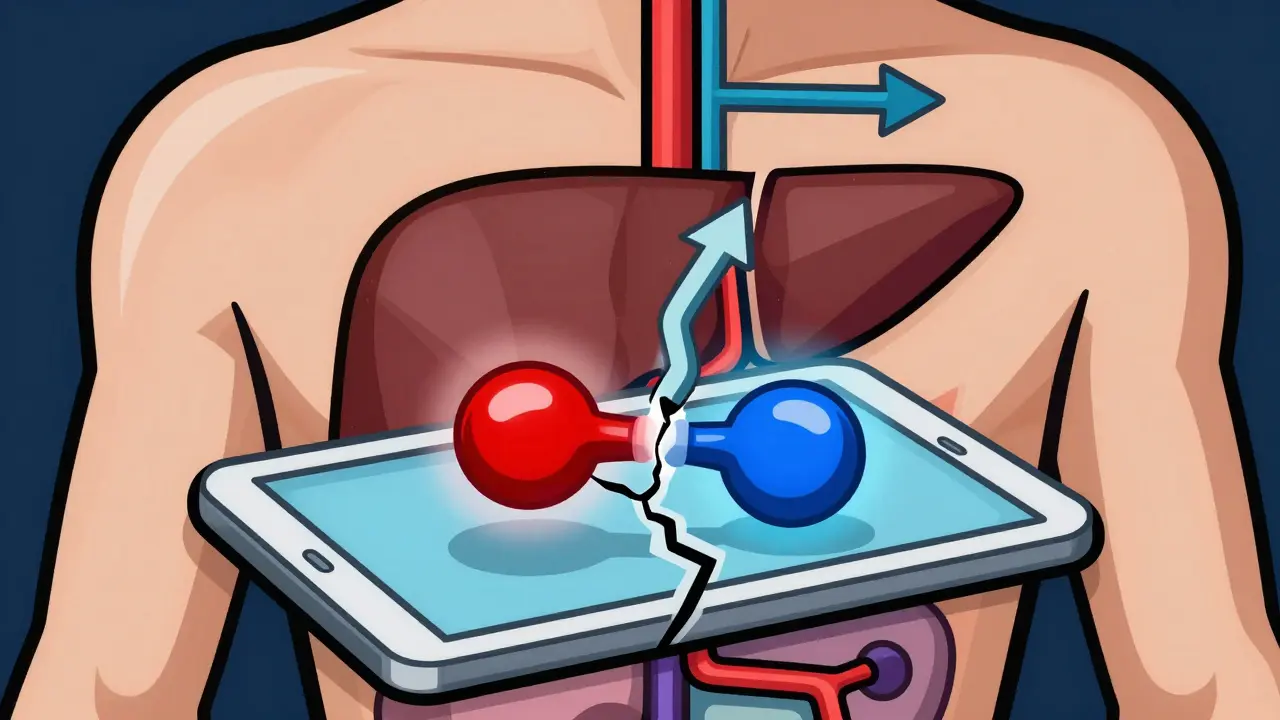
Bioequivalence of Combination Products: Special Testing Challenges
Bioequivalence testing for combination products like FDCs, inhalers, and topical creams is far more complex than for single-drug generics. Regulatory, technical, and financial hurdles delay affordable access to life-saving medications.
read more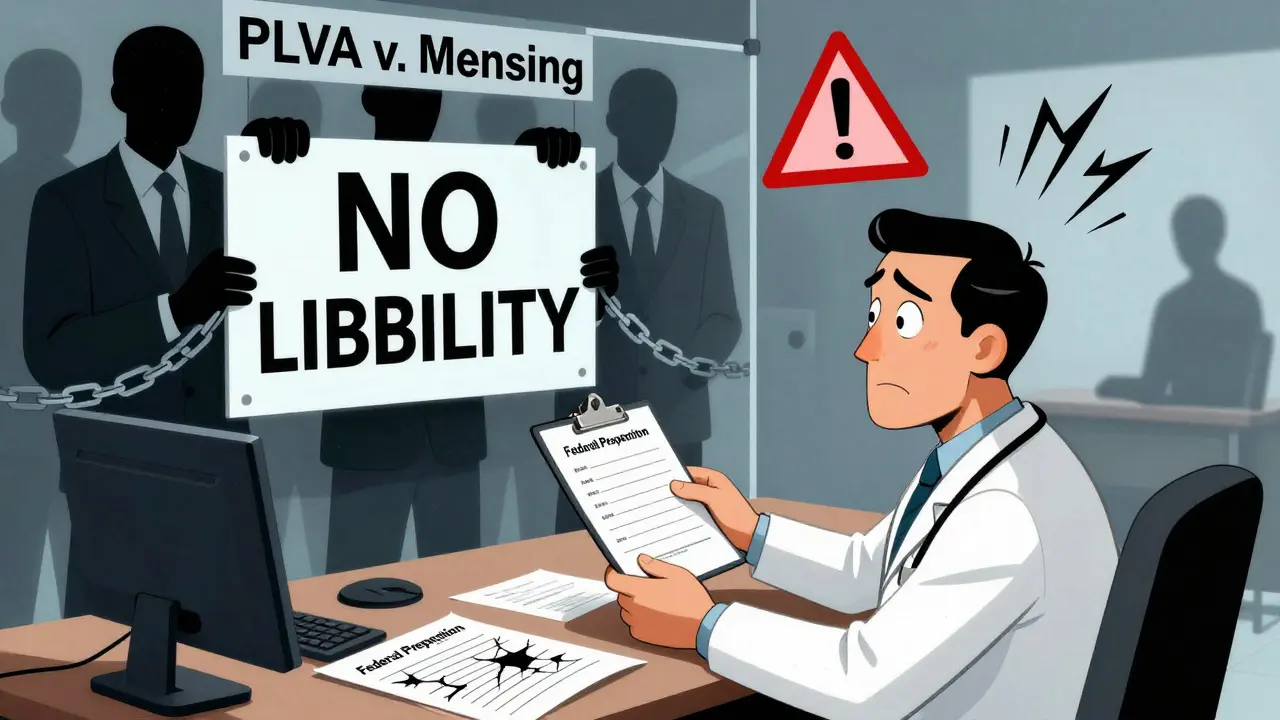
Physician Liability: Legal Risks of Prescribing Generic Medications
Physicians prescribing generic medications now face rising legal liability as federal rulings shield drug manufacturers from lawsuits. Learn how to protect yourself with proper documentation and prescribing practices.
read more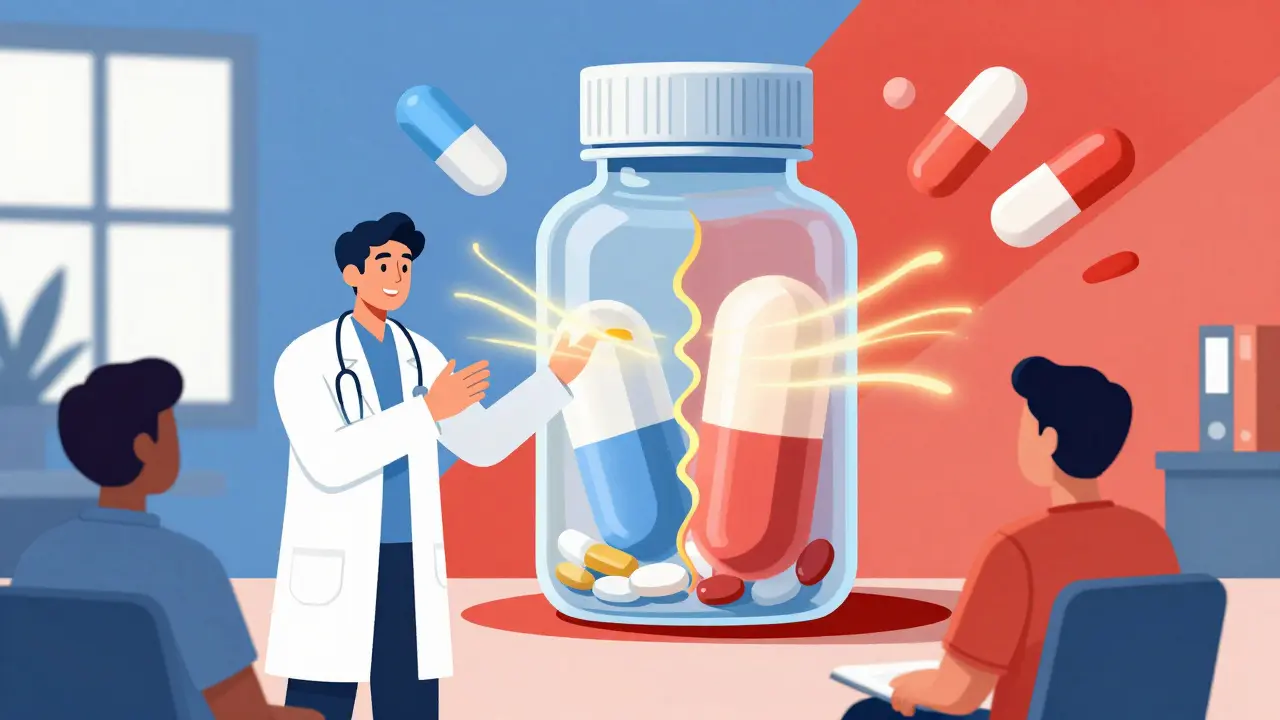
Continuing Education for Doctors: Staying Current on Generic Medications
Doctors need up-to-date education on generic drugs to prescribe confidently, reduce costs, and improve patient adherence. Learn what's required, what works, and how to stay current.
read more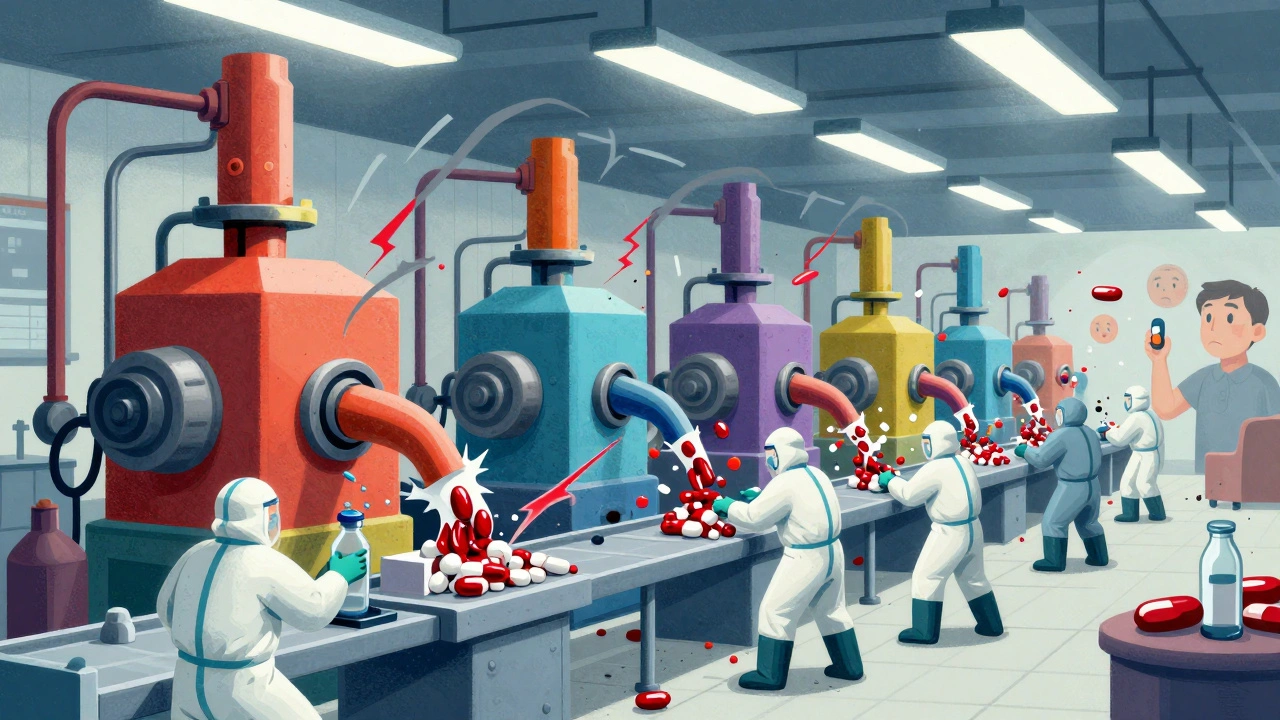
Contamination Controls: Preventing Adulteration in Generic Drug Manufacturing
Contamination controls in generic drug manufacturing prevent harmful adulteration through cleanroom standards, real-time monitoring, and strict cleaning protocols. Learn how facilities avoid cross-contamination and meet FDA requirements.
read more
When Your Doctor Might Prescribe Brand-Name Only and Why
Most prescriptions are generics-but some medications need to stay brand-name only. Learn when doctors prescribe brand drugs for safety reasons, why generics aren't always interchangeable, and how to protect yourself from unnecessary costs.
read more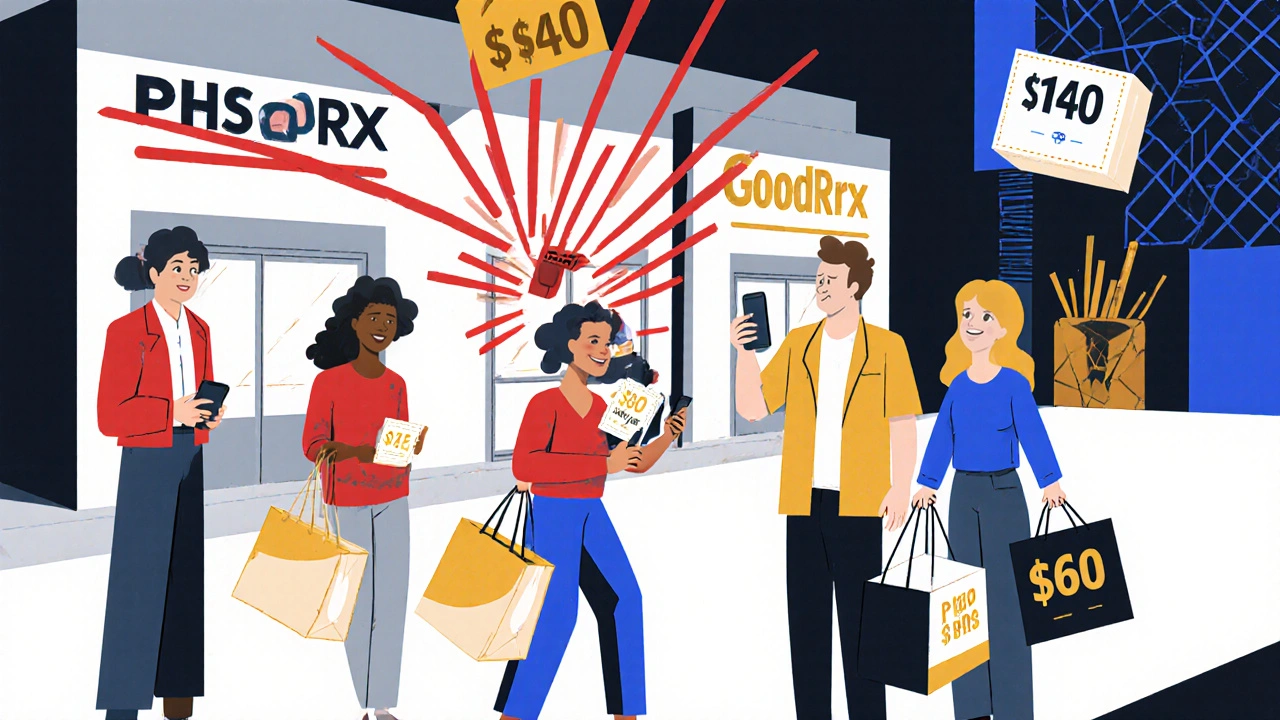
How to Shop Pharmacies for the Best Cash Price on Medications
Learn how to save up to 90% on prescription medications by comparing cash prices across pharmacies using discount apps like GoodRx. No insurance needed.
read more