
Medication Safety: Protect Yourself from Side Effects, Interactions, and Errors
When you take a medication, you're not just swallowing a pill—you're introducing a powerful chemical into your body that can interact with everything else you're using. Medication safety, the practice of using drugs correctly to avoid harm while maximizing benefit. Also known as drug safety, it’s not just about following dosage instructions. It’s about understanding how your body reacts, what else you’re taking, and when to question what your doctor or pharmacist says. Too many people assume that because a drug is FDA-approved, it’s automatically safe for them. That’s not true. A drug can be perfectly safe for most people but dangerous for you because of your age, other meds, genetics, or health conditions.
Drug interactions, when two or more medications affect each other’s action in the body are one of the biggest hidden dangers. For example, taking a statin with certain antifungals can trigger rhabdomyolysis—a life-threatening muscle breakdown. Or combining fluoroquinolone antibiotics with other drugs can stretch your heart’s electrical rhythm, leading to QT prolongation, a dangerous heart rhythm disturbance that can cause sudden cardiac arrest. Even something as simple as grapefruit juice can make your blood pressure or cholesterol meds too strong. And then there’s side effects, unintended reactions to medication that range from mild nausea to organ damage. Swelling in your hands or feet? That could be from diabetes meds. Hair loss from seizure drugs? That’s documented. Weight gain from antidepressants? Common. These aren’t rare accidents—they’re predictable outcomes if you don’t know what to watch for.
Prescription errors, mistakes in prescribing, dispensing, or taking medication happen more often than you think. A misread label, a wrong refill, or a pharmacy substitution based on hospital formulary rules can put you at risk. That’s why checking your pill bottle for personal info, comparing cash prices to avoid underdosing due to cost, and using tools like the FDA’s drug shortage database aren’t just helpful—they’re part of medication safety. You don’t need to be a doctor to protect yourself. You just need to ask: Why am I taking this? What could go wrong? What should I do if something feels off?
The posts below cover real, everyday situations where medication safety breaks down—and how to fix it. You’ll find exactly how to reduce swelling from diabetes drugs, avoid sunburns while on antibiotics, prevent infections from steroids, and choose safer options for seniors. You’ll learn which drugs are safest for your genetics, how to travel with prescriptions without running out, and how to spot when swelling or dizziness isn’t just a side effect—it’s a warning sign. This isn’t theory. It’s what people actually need to know to stay safe.
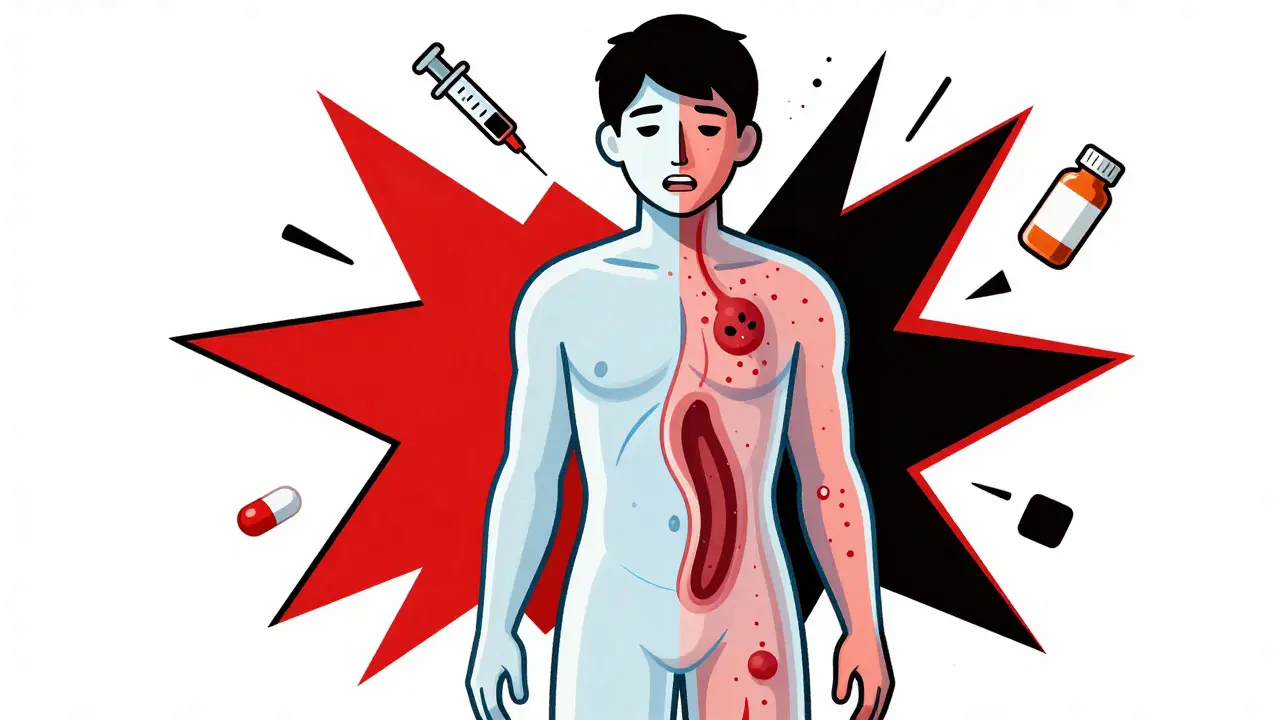
The Difference Between Medication Side Effects and Adverse Drug Reactions
Learn the critical difference between medication side effects and adverse drug reactions - why confusing them can lead to unnecessary panic, wrong decisions, and even dangerous health outcomes. Clear, science-backed explanation for patients and caregivers.
read more
Medication Safety for People with Low Vision or Hearing Loss: Practical Steps to Prevent Errors
People with low vision or hearing loss face dangerous risks when managing medications. Learn practical, proven strategies to prevent errors, from simple labeling tricks to tech tools-and what pharmacies must change.
read more
How to Check for Drug Interactions Before Starting New Medications: A Step-by-Step Guide
Learn how to prevent dangerous drug interactions before starting new medications with practical steps, free tools, and expert-backed advice. Protect your health with a complete medication list and smart questions to ask your doctor.
read more
How to Confirm Your Name and Medication on a Prescription Label
Learn how to check your name and medication on a prescription label to avoid dangerous errors. A simple 30-second step can prevent life-threatening mistakes at the pharmacy.
read more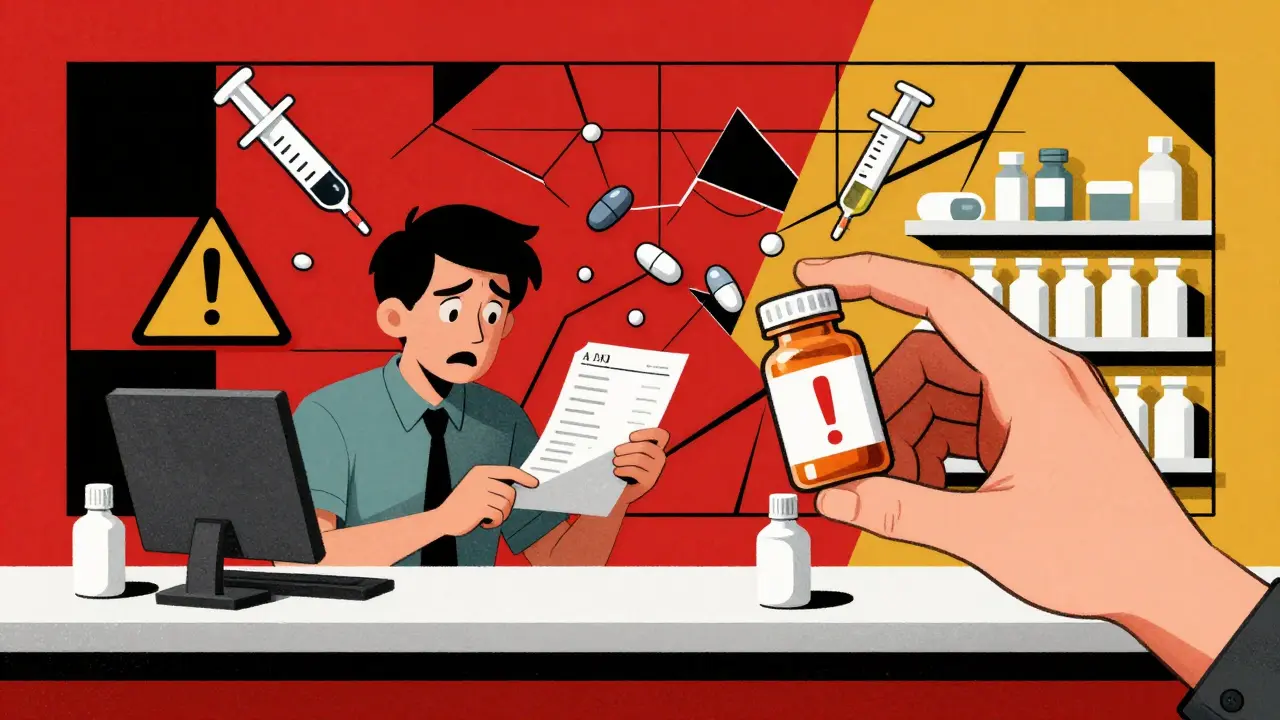
Medication Safety Statistics: What Patients Need to Know About Risks and How to Protect Themselves
Medication errors harm over 1.5 million Americans yearly. Learn the most dangerous drugs, where mistakes happen, and how to protect yourself from deadly mistakes - even when you follow the rules.
read more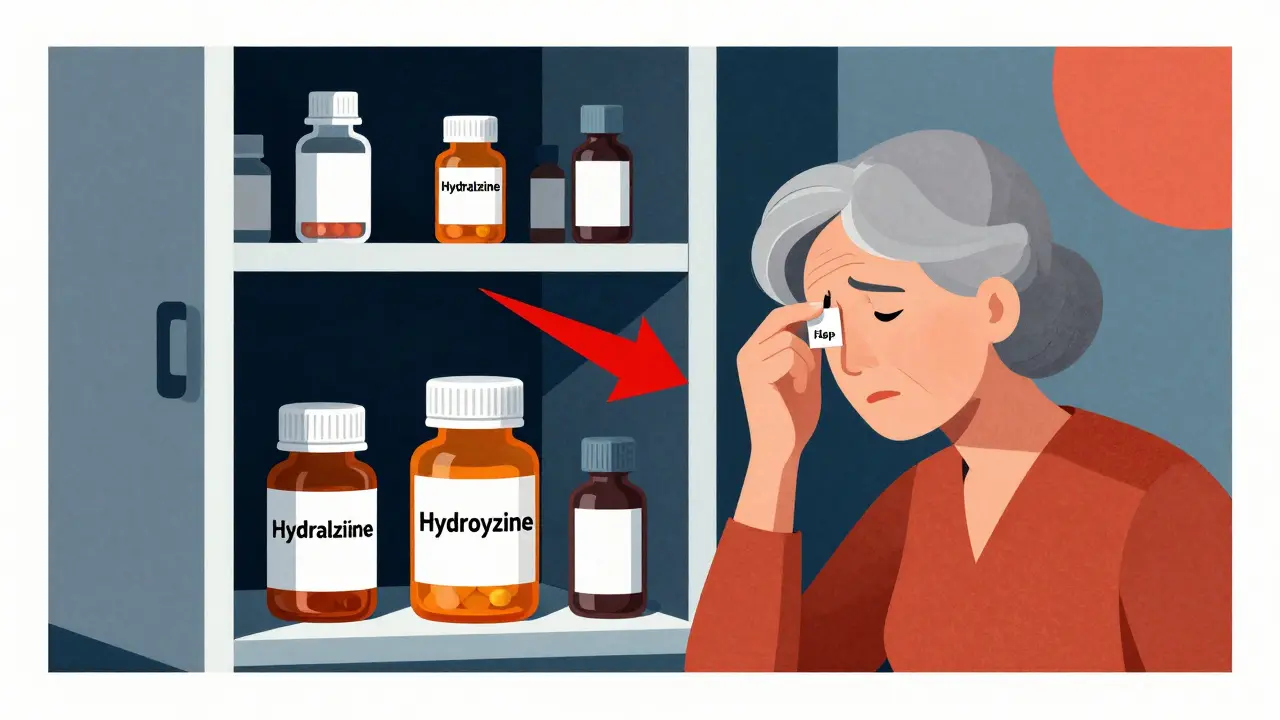
Five Essential Rules for Taking Medication Safely
Follow these five essential rules to take your medication safely and avoid dangerous errors. Learn how to verify the right patient, drug, dose, route, and time-and what most people miss.
read more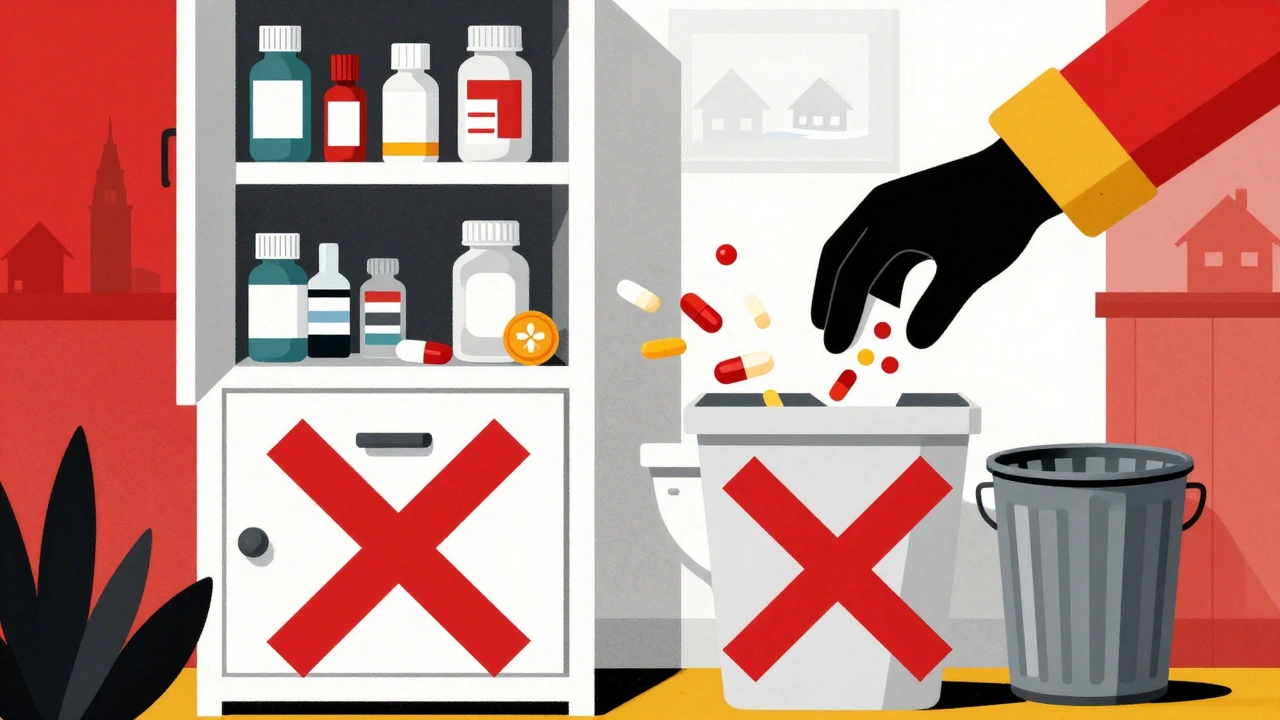
How to Prepare Unused Medications for Take-Back Events: A Simple Step-by-Step Guide
Learn how to safely prepare unused medications for take-back events to prevent misuse, protect privacy, and stop pollution. Simple steps for pills, liquids, patches, and more.
read more